Annual Building Maintenance
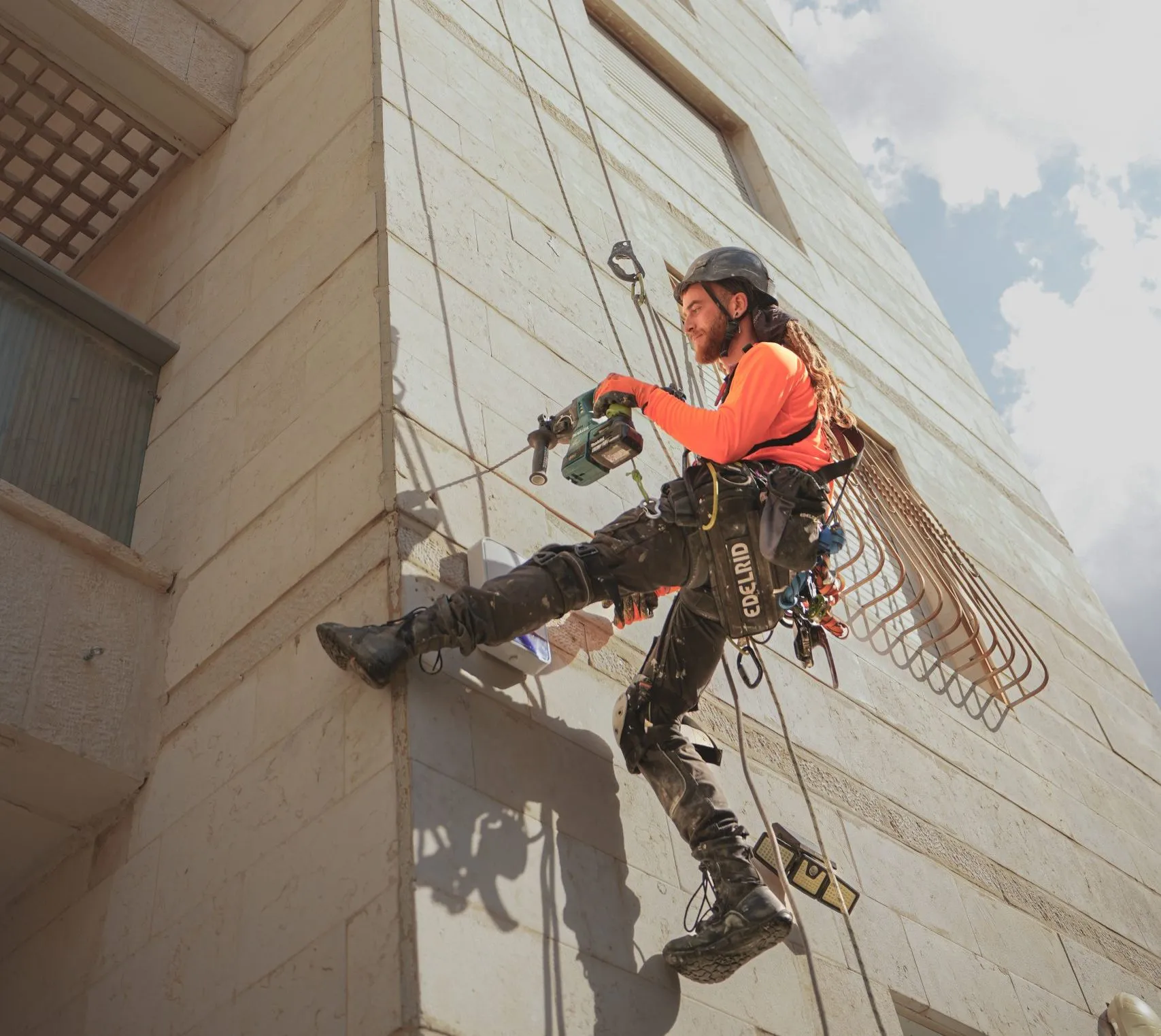
Annual maintenance for a high-rise building: a professional checklist for the building committee
Many building committees wake up to the subject of building maintenance only when something falls: a tile that smashes onto a parked car, a damp stain that appears in the living room, or worst of all, a dangerous building order from the municipality. The problem is that all these defects are side effects of processes that developed 3 to 5 years earlier, and they could almost always have been foreseen in a simple annual inspection. In this article you will get a concrete checklist for the building committee: what to check, when, and the realistic budget for each action.
Why is annual maintenance better than emergency repairs?
The economics are simple: targeted restoration of an area of one meter by one meter costs 2,000 to 5,000 shekels. The same area, if left untreated, can spread within 3 years to several dozen square meters and turn into a restoration project of 50,000 to 100,000 shekels. In addition, building insurance will usually not cover damage caused by poor maintenance and will place the responsibility on the building committee personally. The question is not whether to deal with it, only when. See the comprehensive explanation of preventive maintenance at height.
The annual checklist: 7 points you must check
1. A facade survey once a year
It is recommended after the winter (April to May). A professional rope access company makes an orderly descent along all the facades and documents: cracks, crumbling concrete, loose cladding, damp stains, efflorescence, and the condition of the paint. The average price of a survey of an 8- to 12-story building: 4,000 to 8,000 shekels, including a detailed photographic report that will serve the committee for years ahead.
2. Inspecting cladding tiles and stone
A tile that starts to come loose creates the greatest danger: cladding falling on passers-by. The check is done by tapping with a light metal hammer. A tile that gives a hollow sound will require replacement or mechanical strengthening (drilling and epoxy bonding with Hilti anchors or equivalent). The cost of the inspection: one working day of a rope-access technician. Tiles found to be problematic are treated immediately in the same visit.
3. Inspecting the seals around windows and expansion joints
The silicone between the window frames and the wall wears out within 7 to 10 years. A small crack in the silicone = water penetration in every rain, without it being visible from the ground. Replacement: 80 to 150 shekels per window. In total, for a 24-apartment building: about 5,000 to 8,000 shekels once a decade. In vertical expansion joints in the wall, the recommended material is elastomeric polyurethane (Sikaflex or equivalent) and not ordinary silicone.
4. Inspecting balcony railings
Rusty metal railings or loose glass railings are an immediate danger. One inspection a year for every balcony, with mechanical strengthening or replacement as needed. Safety standards in Israel require a sound railing at least 1.10 m high with proven structural stability. This inspection is especially important in old buildings built before 2000.
5. Inspecting the roof and its waterproofing
The inner side of the roof: the top of the parapet wall, drainage points, connections around air conditioning systems. Flushing the drainage systems once a year before the winter saves damp on the top floor. A comprehensive inspection of the roof waterproofing itself should be carried out once every 3 years, without waiting for signs of damp inside.
6. Inspecting lighting systems and external wiring
Security lighting on the facades, external stair lights and garden lamps. Electrical faults in an external wall can cause a fire or an electric shock to passers-by. More on this in the article lighting installation at height.
7. Carrying out targeted repair work
If the annual survey found defects, they are carried out in sequence before they get worse. Most small repairs are carried out with rope access within 1 to 3 working days, without erecting scaffolding, without significant disruption to residents, and at a cost significantly lower than treatment that waits for an emergency.
How to plan the annual maintenance budget?
Here is a realistic approach: 0.5% to 1% of the building’s value per year. In a 24-apartment building with a total value of 25 million shekels, that comes to 125,000 to 250,000 shekels for all maintenance purposes (not only the facade). Of that, an annual survey and preventive repairs on the facade: 15,000 to 40,000 shekels. For comparison: a full facade restoration for a building that has not been maintained for 15 years costs at least 300,000 shekels, and sometimes up to 800,000 shekels.
The gap between the two is the difference between a committee that runs things professionally and a committee that only reacts. That gap is paid in the end by the residents, but at completely different costs.
What to do if the building has not been maintained for years?
If this is the first year that the committee has woken up to the subject, it is recommended to carry out a thorough survey first, and not to jump straight into the work. The survey will clarify whether this is ordinary maintenance or whether structural restoration is already needed. In serious cases, see the article on the dangerous building order to understand the legal implications and the requirements placed on the building by the local authority.
How do you choose a company for surveys and maintenance?
The minimum requirements of a professional company are:
- Comprehensive insurance for work at height (Personal Accident + Public Liability).
- Ministry of Labor approval for rope access work (Standard 1139).
- At least 5 years of experience in building envelope work.
- Documented examples of similar projects the size of your building.
- A detailed price quote broken down by item, not a lump sum.
The full explanation is in the article how to choose a work-at-height company.
In short: why does it pay off?
Structured annual maintenance prevents three things every building committee wants to stay away from: a municipal order, a danger to the lives of residents and passers-by, and a drastic rise in the cost of repair in the future. A small planned investment saves a large unplanned one. The Top Gova team carries out annual facade surveys, an orderly report document and an action plan tailored to the committee, including schedules and a budget estimate.
For building inspection standards in Israel: The Standards Institution of Israel: SI 1525
Thank you! We received your request and will get back to you soon.
More articles you may find interesting
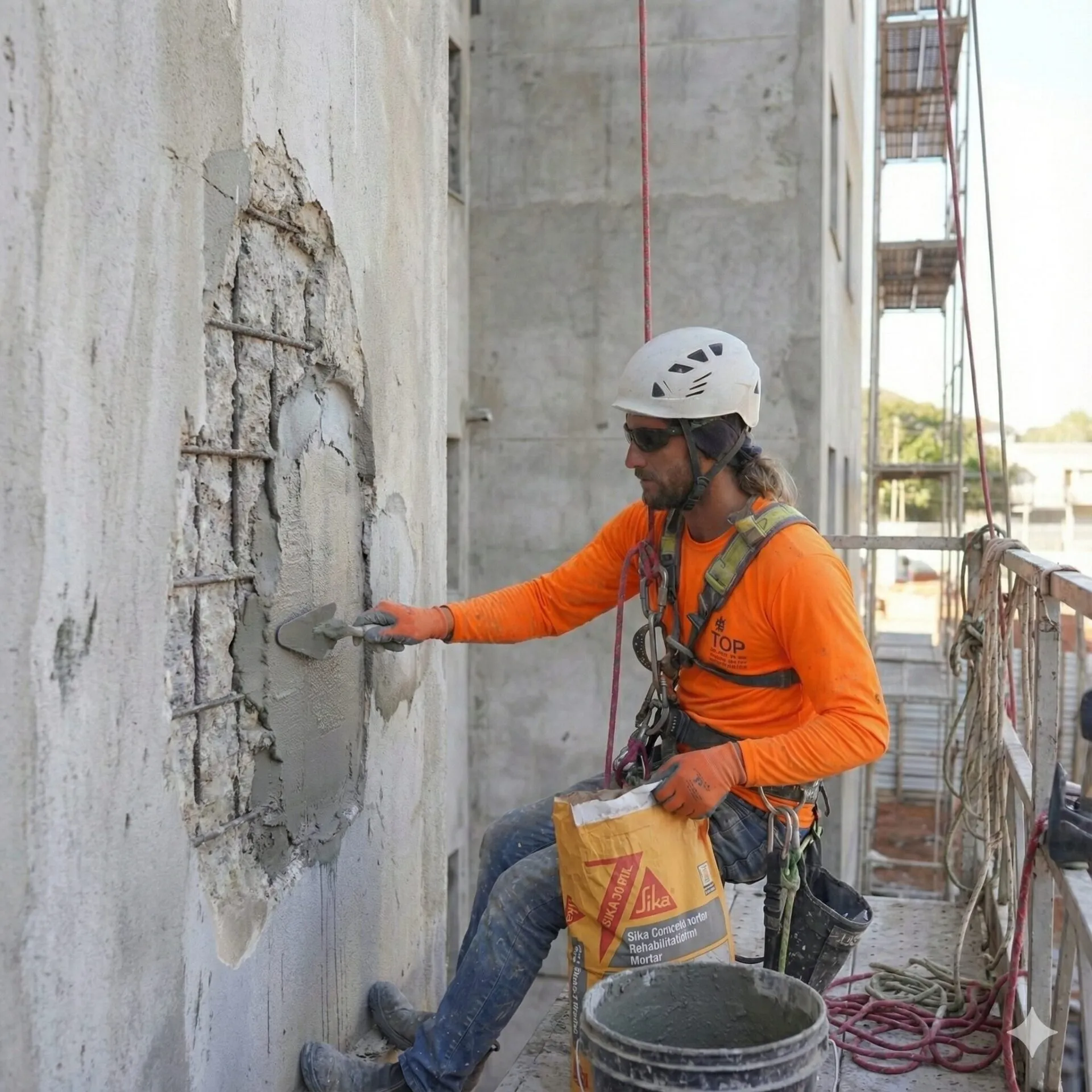
Read the article Parapet Wall Waterproofing
The parapet wall is the number one cause of damp on the top floor. Learn how to waterproof it properly with rope access and prevent damage to penthouse apartments.
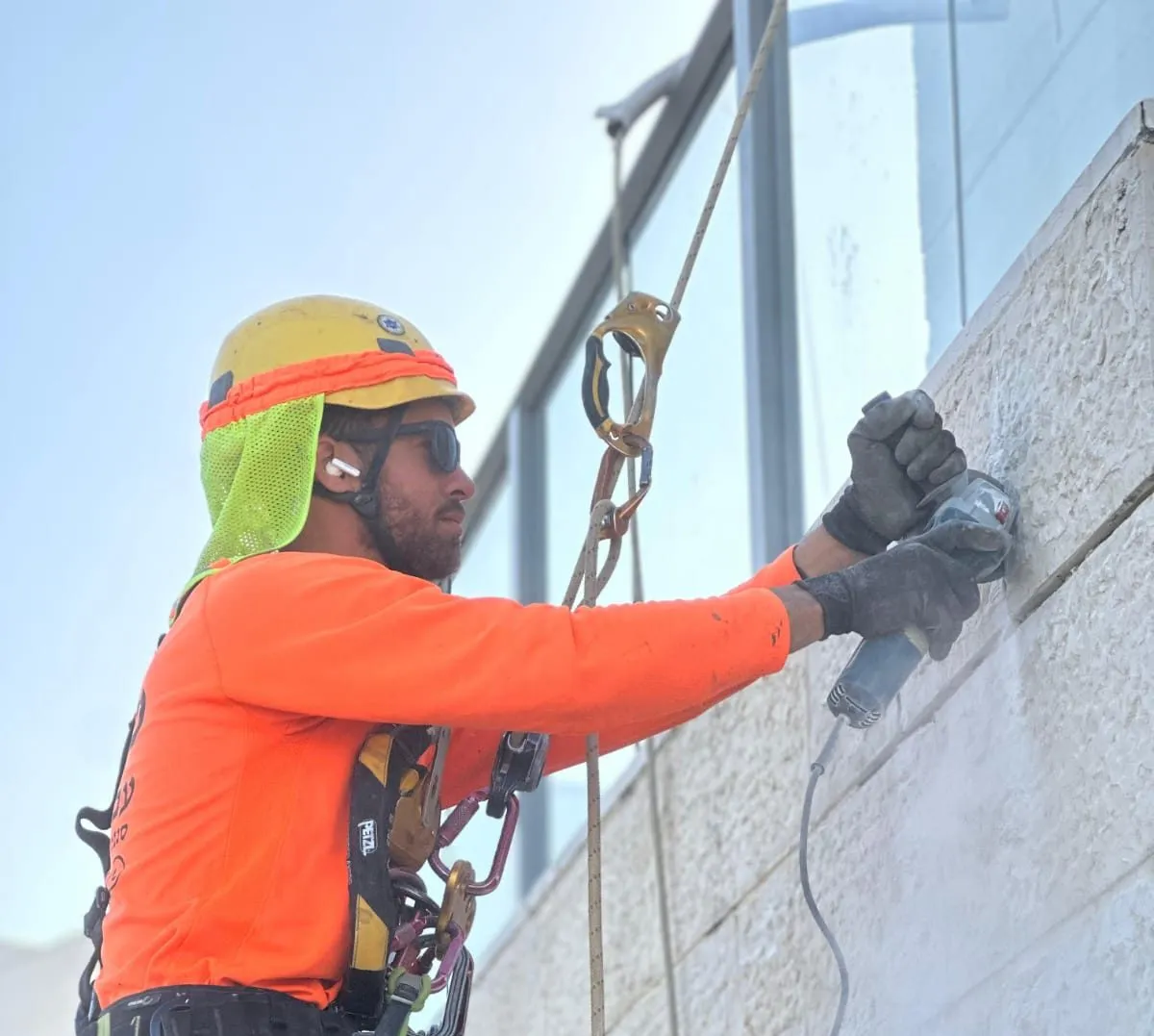
Read the article Efflorescence on Walls
Efflorescence on facades and exterior walls: the cause, how it differs from damp, and professional treatment at height. Get advice from Top Gova.
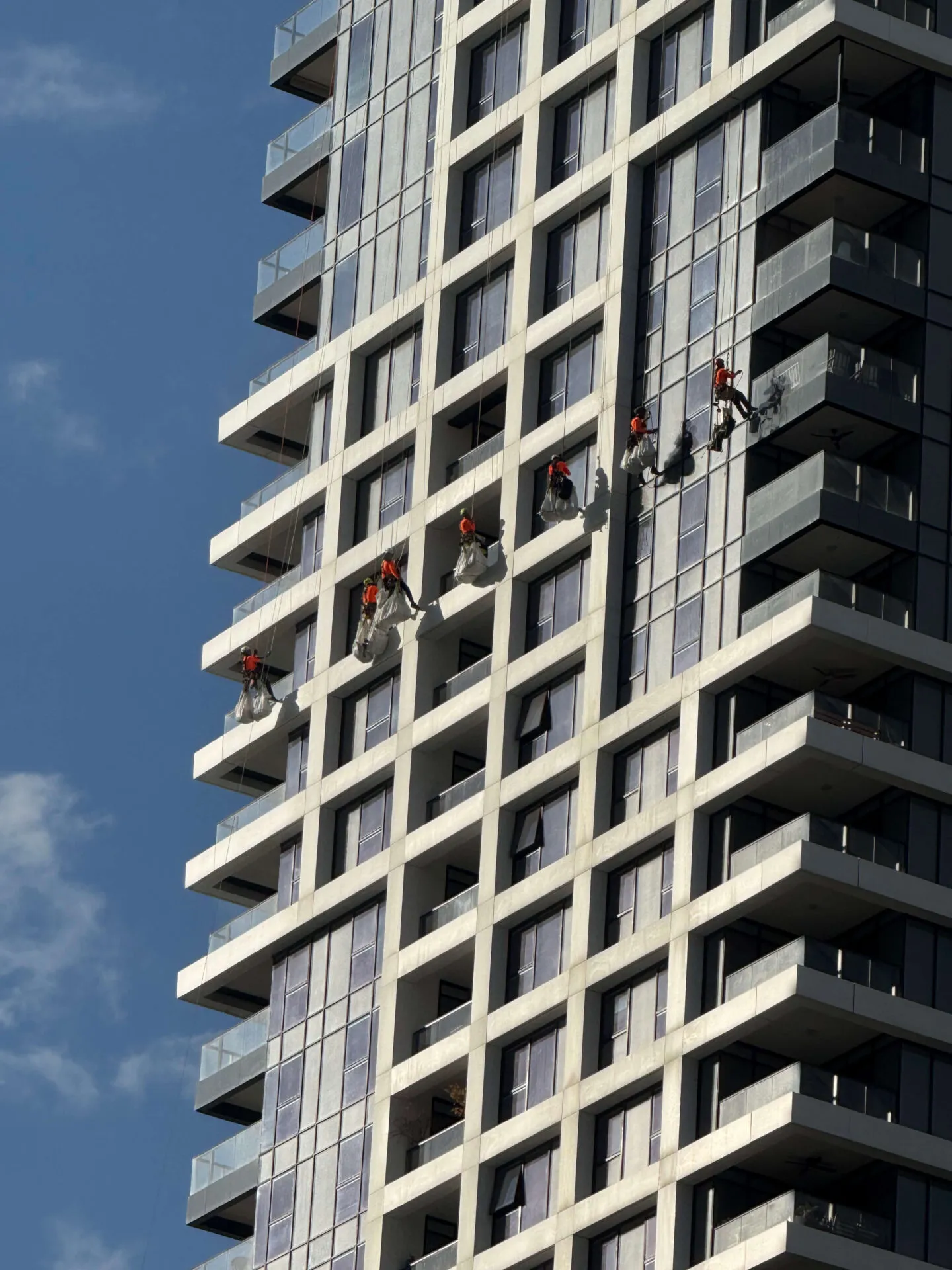
Read the article Segregation in Concrete
Segregation in concrete creates honeycombs and structural weakness in columns and facades. Learn to identify the defect and restore it with rope access. Call Top Gova.