Active Versus Static Cracks: How an Engineer Diagnoses Them and What the Right Solution Is
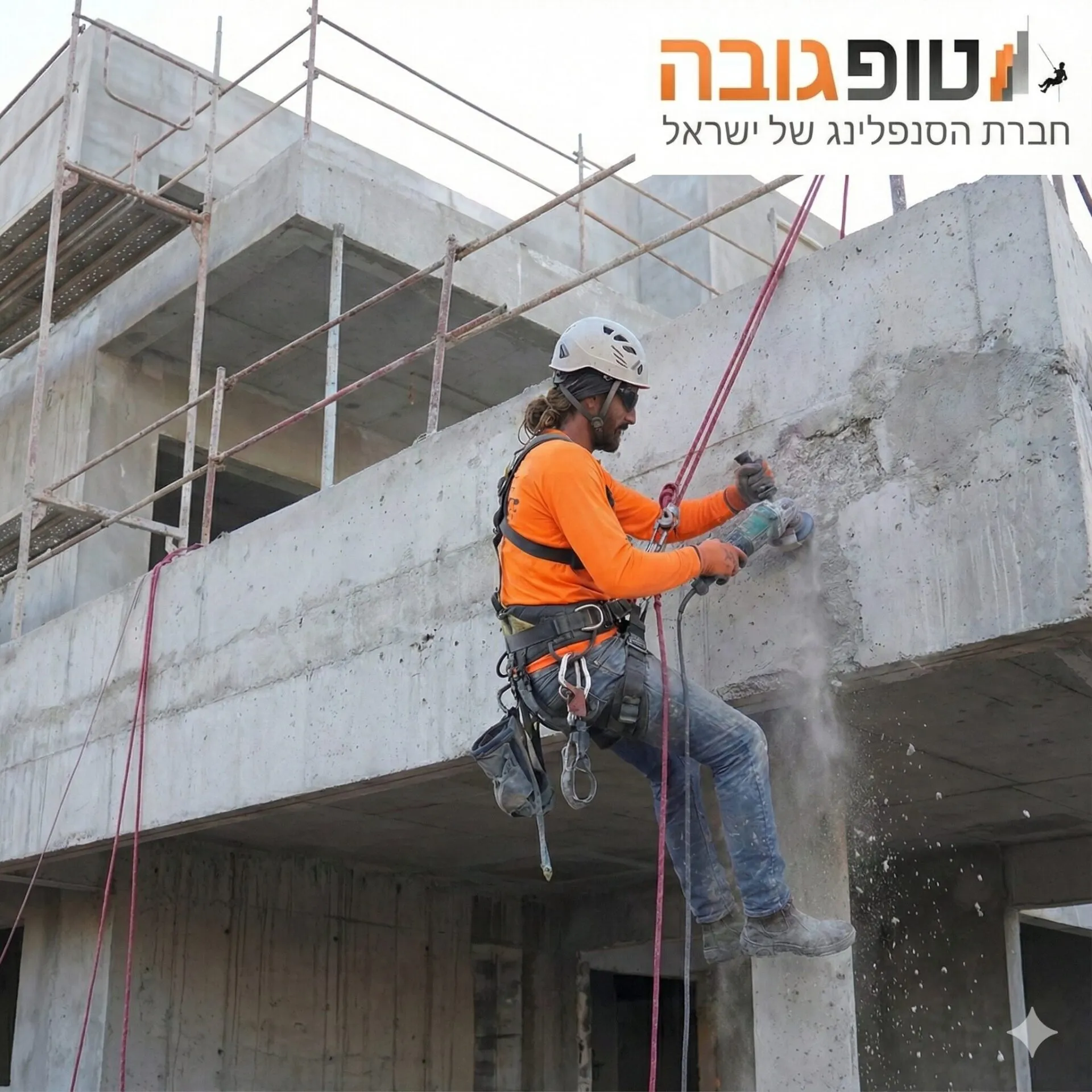
Not every crack in a concrete wall is the same. Two cracks that look identical to the eye can require completely different solutions. A mistaken diagnosis means the repair will fail within months and create double work. In this article we will explain how a professional engineer distinguishes between an active crack and a static crack, which diagnostic tools are used in the field, and which treatment suits each type.
The fundamental difference
A static crack is a crack that has finished moving. It formed once (for example while the young concrete was drying, or from the initial settlement of the building) and no longer moves. An active crack, by contrast, keeps widening and narrowing every day, because of temperature differences, changing loads, structural movements or vibrations. This difference is the key to every repair decision.
Diagnostic methods used in the field
Installing crack monitors (tell-tales)
Glass or plastic gauges are glued on both sides of the crack, with a digital scale. Over weeks to months, the engineer reads the movement. Movement of 0.2 mm or more over time indicates an active crack.
Measuring the width at different times of day
In the morning the concrete temperature is low: the concrete contracts and the crack opens. At noon the concrete warms up and expands: the crack closes. Measuring at six-hour intervals on a hot day gives a relatively quick indication.
Classification by the shape of the crack
- Horizontal cracks in a beam with brown rust: classic for corrosion of the reinforcing steel, active until the corrosion is stopped.
- Straight, uniform vertical cracks: usually static shrinkage cracks.
- Diagonal “stepped” cracks: indicate structural settlement; a structural engineer must be involved.
- Spread-out, net-shaped cracks: usually superficial and static, related to the plaster or to an outer layer.
Treating a static crack
A crack that does not move allows a rigid repair, that is, filling with a material that restores the structural solidity. The classic stages:
- Cleaning the crack of plaster residue and dust with compressed air.
- Mechanically widening the opening of the crack into a V shape to increase grip.
- Pressure injection of a two-component structural epoxy (for example Sikadur-52 or equivalent), which gives greater strength than the concrete itself.
- Finishing the surface with a suitable polymer mortar.
A static crack treated in this way returns to a full structural mass.
Treating an active crack
An active crack filled with rigid epoxy will crack again next to the filling point within months, because the forces that made it active have not disappeared. The solution is an elastomeric filling that functions as a local expansion joint:
- Cutting the crack with a saw into a rectangular groove of uniform width (usually 10-15 mm wide, 15 mm deep).
- Thorough cleaning and applying a primer designed for concrete.
- Inserting a foam backing (backer rod) at the bottom of the groove, which prevents three-sided adhesion and allows the material to stretch freely.
- Filling with a polyurethane elastomeric mastic (for example Sikaflex-11 FC) with a movement capability of at least 25%.
- A smooth finish with a clean spatula.
This method allows the crack to “breathe” throughout the life of the building without the problem returning.
Combining with wider restoration
Crack diagnosis is often a stage within a comprehensive rope access concrete restoration project. If the cracks are accompanied by signs of corrosion, spalling concrete or damage to the steel, the treatment must also include chiseling and cleaning. Static, clean cracks in a stable wall, on the other hand, can be treated locally without extensive work.
In work on towers and tall buildings, work at height and rope access techniques are also used to reach cracks in locations that scaffolding cannot reach.
More professional information on the mechanisms by which cracks form in concrete can be found in
the publications of the Standards Institution of Israel, which detail the standards relevant to concrete.
The diagnostic summary you should demand from the contractor
Before a repair, demand a written diagnostic report that includes: a photograph of every crack with its exact location, a measurement of its current width, an active/static classification, and a specific treatment recommendation. Such a report protects you if disagreements develop later and shows that the contractor knows exactly what they are doing. Cracks treated on the basis of a correct diagnosis last for decades; cracks treated “by feel” come back.
Thank you! We received your request and will get back to you soon.
More articles you may find interesting

Read the article Annual Building Maintenance
A professional checklist for building committees: what to check every year on the envelope of a tall building, how to plan the budget and when to call a rope access company. A guide from Top Gova.
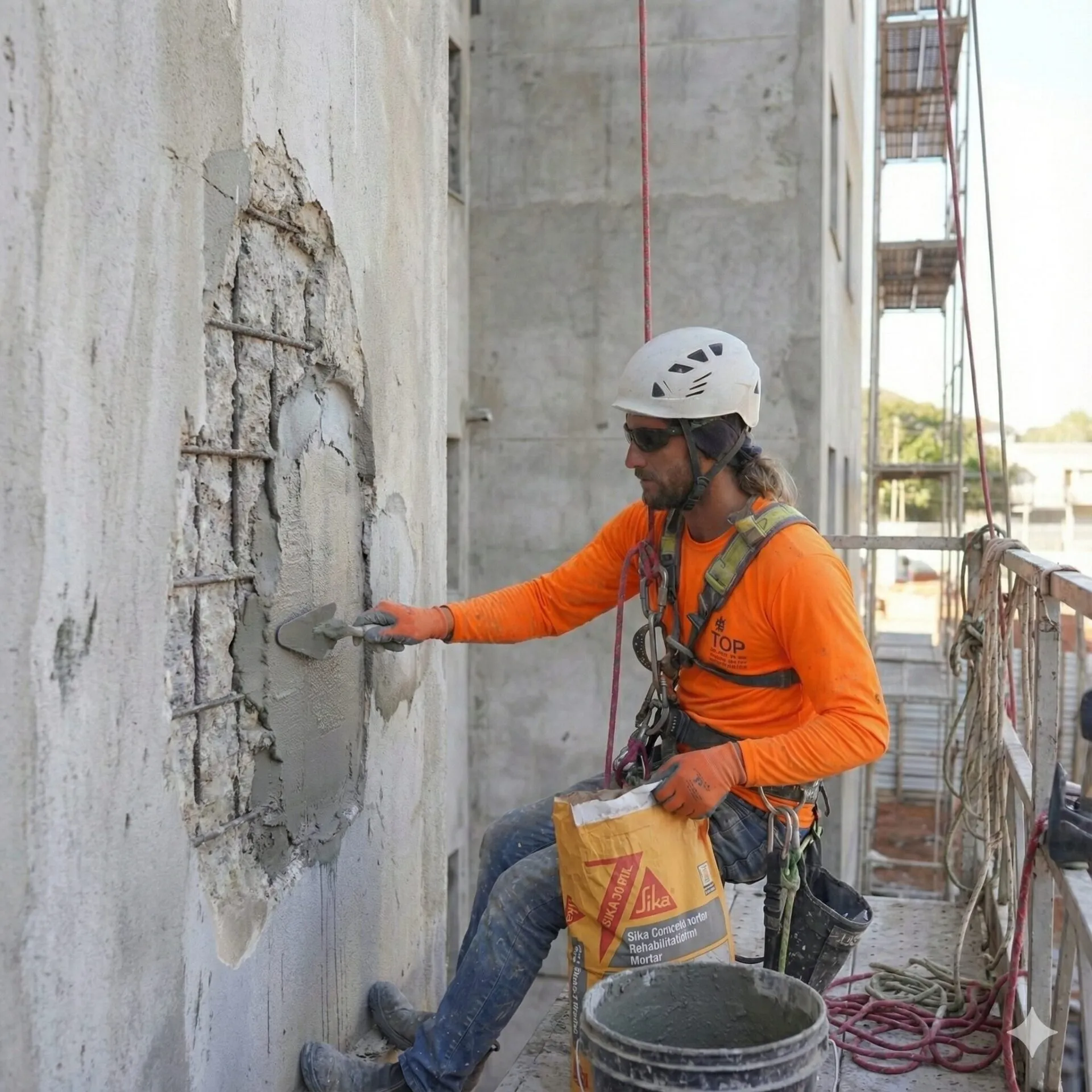
Read the article Parapet Wall Waterproofing
The parapet wall is the number one cause of damp on the top floor. Learn how to waterproof it properly with rope access and prevent damage to penthouse apartments.
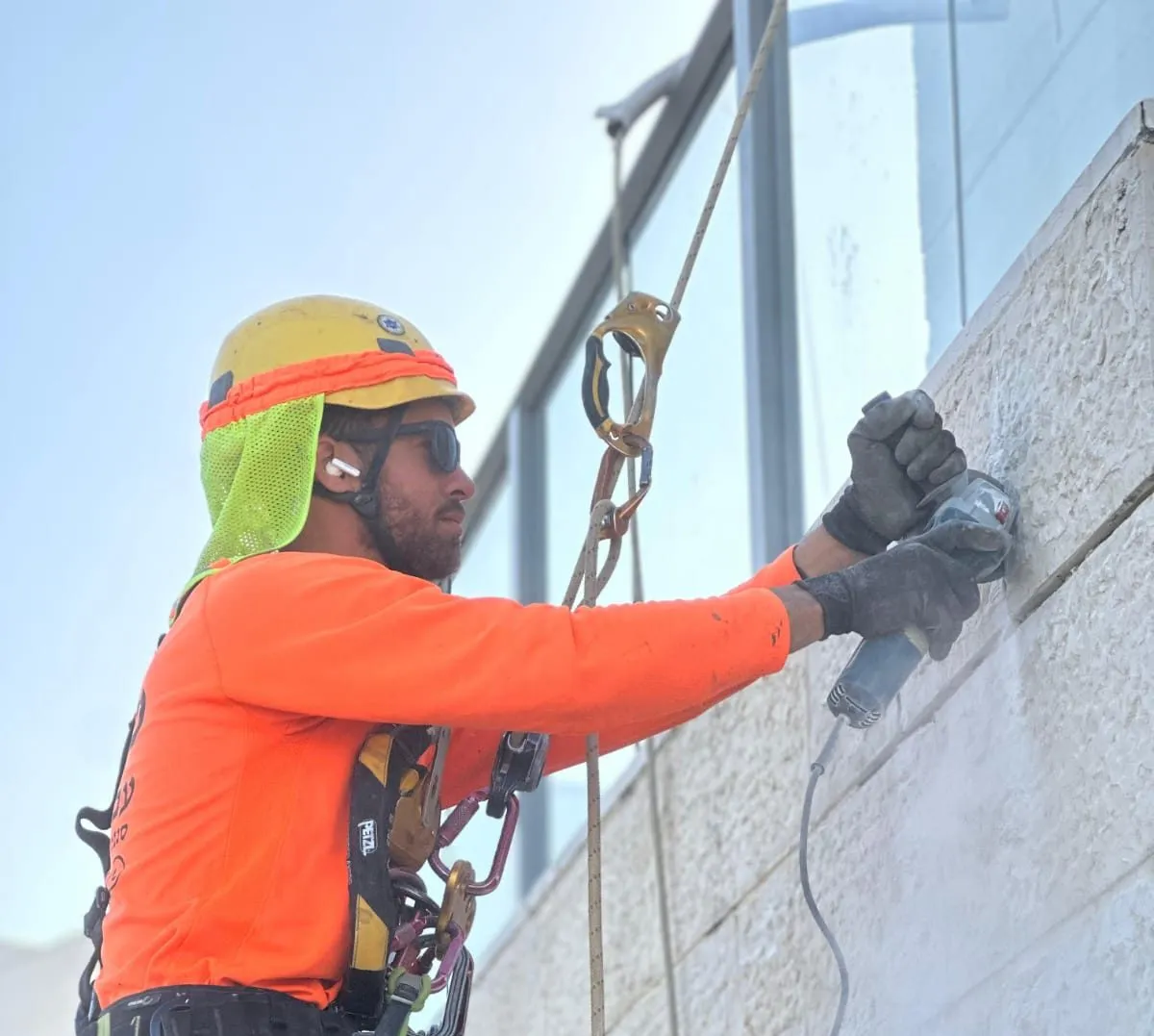
Read the article Efflorescence on Walls
Efflorescence on facades and exterior walls: the cause, how it differs from damp, and professional treatment at height. Get advice from Top Gova.