The Building Committee and Facade Maintenance: A Legal and Operational Guide for Building Committees
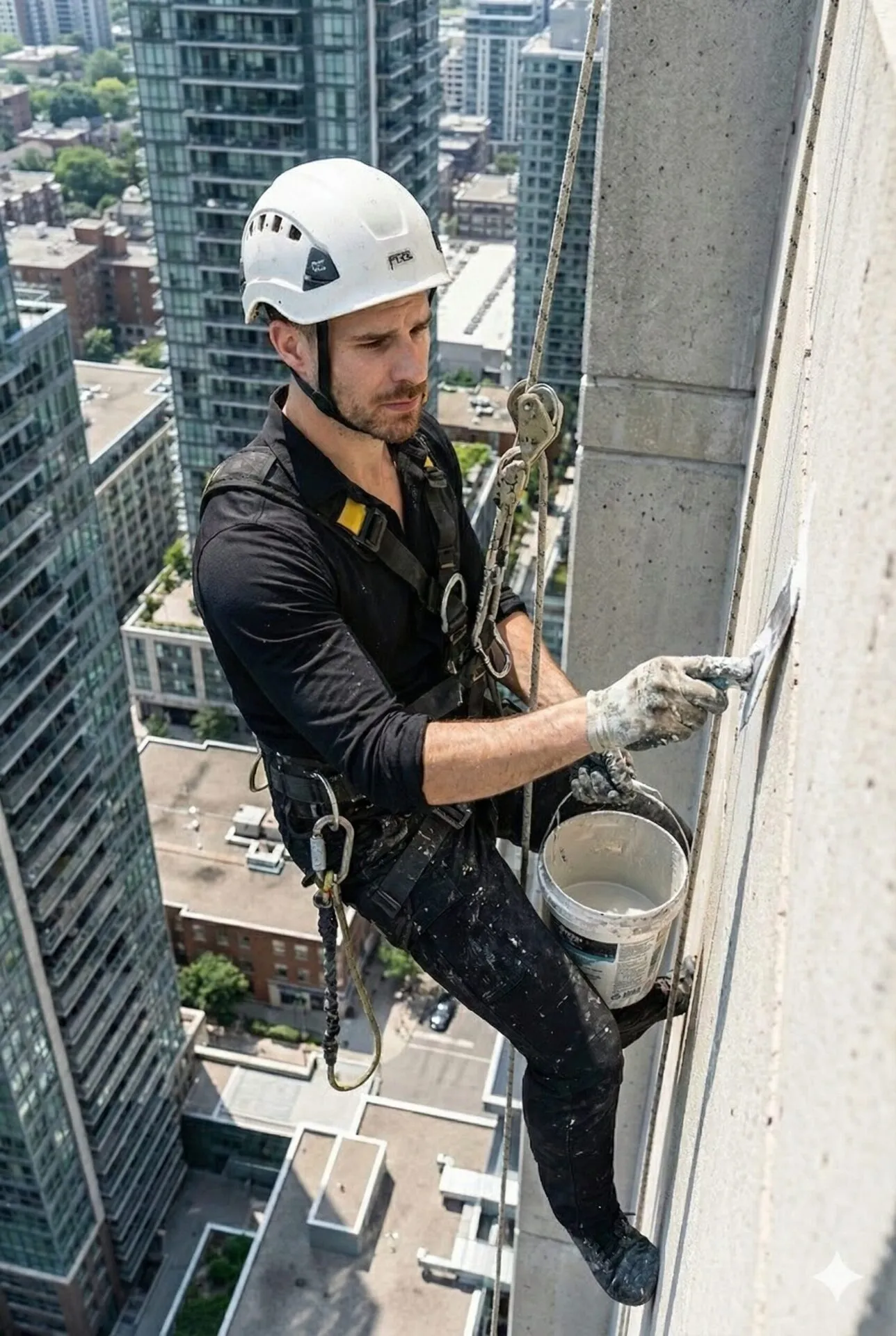
The building committee’s responsibility for the building’s facade
Many building committee members are not aware of it, but legally, responsibility for maintaining the common property, including the building’s facades, rests with them. The Land Law states that the common property of a jointly owned building includes the exterior walls, the roof, the stairwells and every element that is not privately owned by a specific resident.
In practice, this means that when the building’s facade deteriorates, tiles fall, or damp is found penetrating from outside, the building committee is the party that has to deal with the matter. This holds true for an old building built decades ago, when the residents are not keen to pay, and when the budget is limited.
What happens when the problem is ignored?
One of the scenarios many building committees experience is receiving a dangerous building order from the municipality. When the local authority identifies a danger from a building’s facade, for example loose tiles that could fall on passers-by, it issues an order obliging the building committee to carry out a repair within a set period of time. Failure to comply with the order can lead to heavy fines and even criminal proceedings.
Beyond the legal side, there is also the economic side. Every day that passes without treatment makes the problem more expensive. Untreated damp penetrates deeper, unrestored concrete crumbles further, and stones that are not strengthened may fall and cause real damage.
The decision-making process in the building committee
To start a facade maintenance project, the building committee needs to go through an orderly process. Here are the main stages:
| Stage | Action | Notes |
|---|---|---|
| 1. Initial diagnosis | Ordering a professional envelope survey | An engineer experienced in building restoration is recommended |
| 2. Presenting the findings | A residents’ meeting with the report | Must be documented and the minutes kept |
| 3. Obtaining quotes | At least 3 quotes from contractors | Check licensing, insurance and safety certificates |
| 4. Vote | Approval at a general meeting | A simple majority is enough for maintenance work |
| 5. Financing | An increased committee levy or a loan | Payments can be spread for the residents |
| 6. Execution and supervision | Starting the work with professional supervision | Appointing a supervisor on behalf of the residents is recommended |
How do you deal with residents who refuse to pay?
One of the biggest challenges building committees face is residents who refuse to share in the costs. It is important to know that under the Land Law, every apartment owner must bear their share of the expenses of the common property. If a resident refuses, the building committee can turn to the small claims court or to the Execution Office.
From experience, the best way to prevent refusals is full transparency. When the residents understand the situation, see the professional report, and get clear explanations of the costs, most people cooperate.
Financing projects: options worth knowing
The building committee’s fund is not always enough for a facade restoration project. There are several financing options worth examining. The first is a special levy on the residents, which can be spread into installments. The second is a bank loan to the building committee. The third is government assistance programs, for example programs for restoring buildings in the periphery or buildings damaged in security incidents.
It is also worth checking whether a developer’s or contractor’s warranty is still valid, especially in relatively new buildings where construction defects have caused problems in the facade.
Choosing the right contractor
When the time comes to choose a contractor for facade work, the building committee needs to check several things: registration in the Register of Contractors, suitable insurance for work at height, safety certificates for the workers, proven experience in similar projects, and recommendations from previous clients.
It is especially important to make sure the contractor specializes in work at height and not just in ordinary renovations. Facade renovation of a residential building requires unique skills, suitable equipment, and the ability to work safely in challenging conditions.
Information on rights and obligations in jointly owned buildings can be found on the website of the Ministry of Justice.
In summary
Maintaining the building’s facade is not just an aesthetic matter: it is a legal, safety and financial responsibility. A building committee that acts in an orderly way, carries out periodic surveys and deals with problems in time saves the residents a great deal of money in the long run and ensures that the building stays safe and worth more.
At Top Gova we work with hundreds of building committees all over the country and know your challenges up close. Our team of project managers will accompany you all the way, from the diagnosis to the end of the work.
Thank you! We received your request and will get back to you soon.
More articles you may find interesting
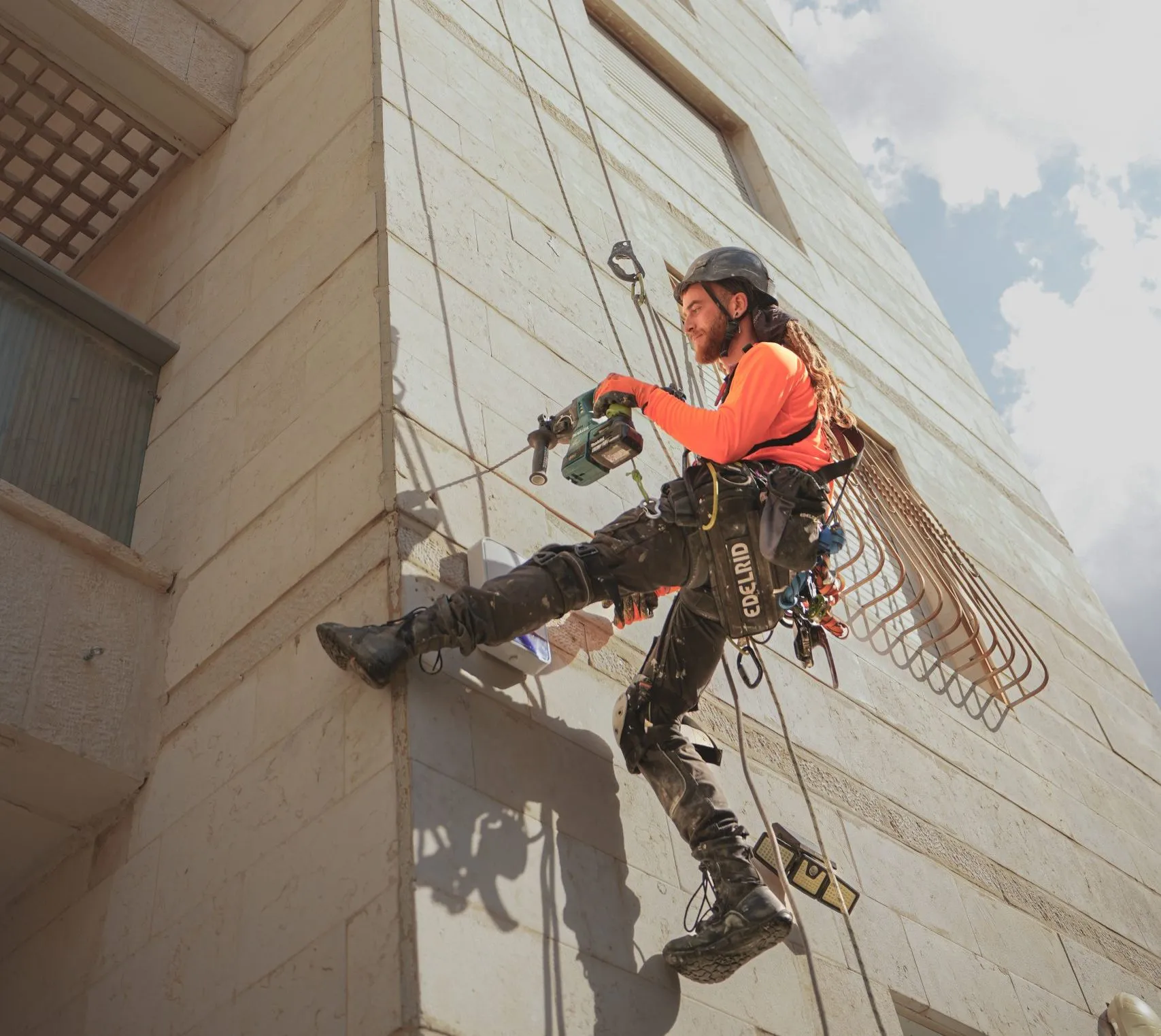
Read the article Annual Building Maintenance
A professional checklist for building committees: what to check every year on the envelope of a tall building, how to plan the budget and when to call a rope access company. A guide from Top Gova.
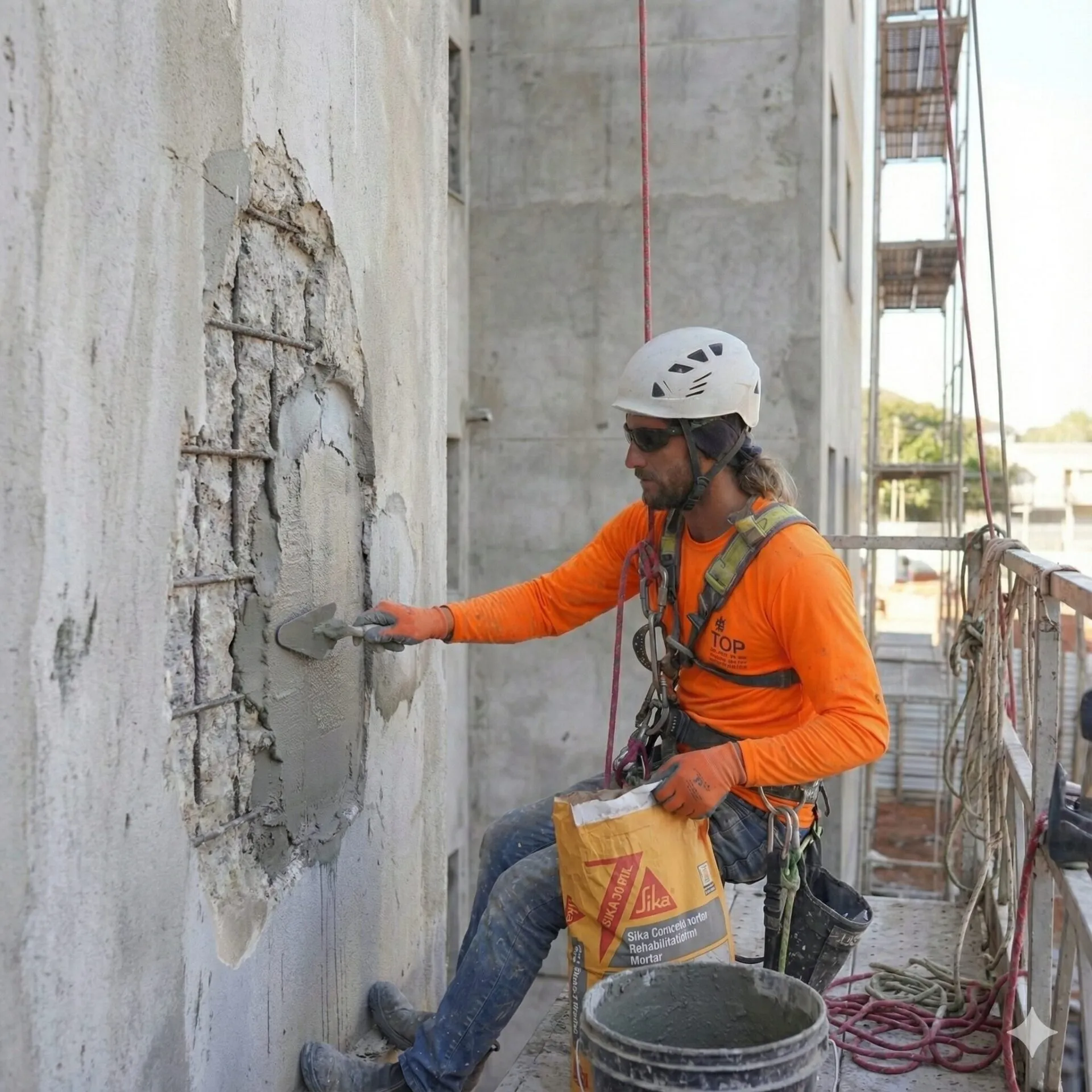
Read the article Parapet Wall Waterproofing
The parapet wall is the number one cause of damp on the top floor. Learn how to waterproof it properly with rope access and prevent damage to penthouse apartments.
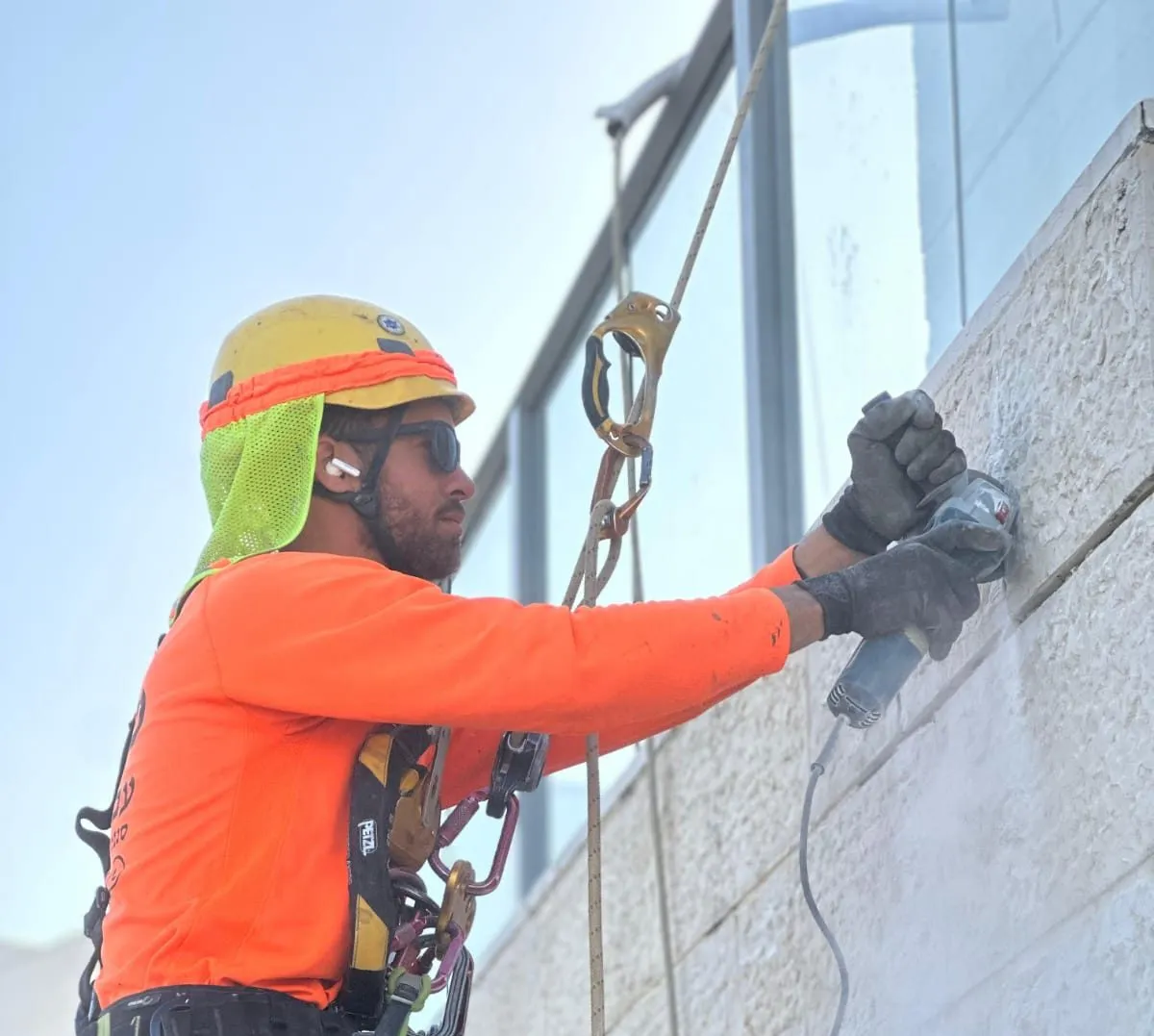
Read the article Efflorescence on Walls
Efflorescence on facades and exterior walls: the cause, how it differs from damp, and professional treatment at height. Get advice from Top Gova.