Building Envelope Waterproofing
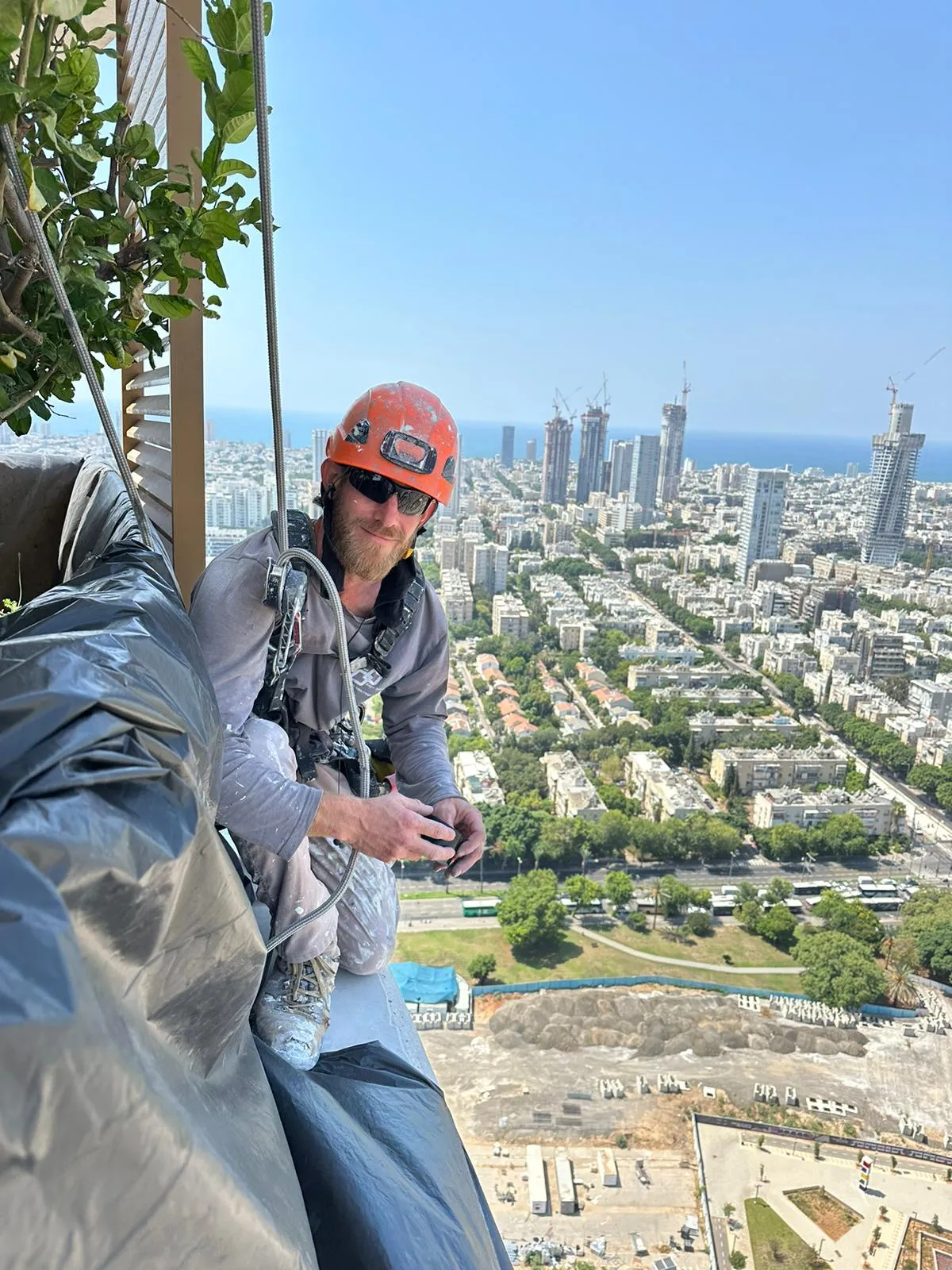
Building envelope waterproofing: protection, appearance and preserving the property’s value
The Israeli winter may be relatively short, but when the rain comes, it comes hard. For building committees and residents of shared buildings, nothing is more frustrating than discovering damp in the living room wall or mold spreading in the bedroom, right at the height of the cold season. But damp is only the final symptom. The real problem starts much earlier, outside, on the exterior walls of your building. Building envelope waterproofing is not just a matter of nice paint or a refreshed look: it is a critical maintenance task that protects the structure’s frame and your pocket in the long run. At Top Gova, we come across damage every day that could have been avoided with the right treatment at the right time. Here is everything you need to know about the process.
Why does the building envelope crack?
Before talking about the solution, you need to understand the problem. Buildings in Israel stand in tough conditions. In summer, the sun beats down and heats the concrete and plaster to very high temperatures. In winter, the cold makes the materials contract. This process of contraction and expansion, repeating itself day after day, year after year, creates material fatigue. The inevitable result is hairline cracks (“hair” cracks) and deeper structural cracks.
Water seeps in through these cracks. But the danger is not only the water that gets into the apartment. The greater danger is the water that reaches the reinforcing steel inside the concrete. When the steel comes into contact with water and oxygen, it starts to rust. Rust makes the steel swell, and this pressure causes the concrete to burst and come away from the wall. This is the stage where you see pieces of plaster falling into the parking lot or the building entrance, and that is already a dangerous situation that requires immediate concrete restoration.
The signs that it is time to renew the waterproofing
The building committee or the management company does not need to wait for stones to fall before acting. There are early warning signs you can spot on a simple walk around the building:
- Cracks in the exterior plaster: a network of fine cracks or long vertical cracks.
- Peeling paint: bubbles or peeling in the exterior paint indicate a failure of adhesion and moisture penetration.
- Dark stains: areas that look wet even a few days after rain indicate that the wall “drinks” water instead of repelling it.
- Mold inside the apartments: usually in the corners of the ceiling or on walls that face outside. This is a clear sign that the exterior waterproofing has failed.
The professional work process, step by step
At Top Gova we believe that quality waterproofing is the kind that lasts for years, not the kind that disappears with the first rain. That is why we don’t “smear and run”. A professional building envelope waterproofing process must include several critical stages that cannot be skipped:
High-pressure water washing: before applying any material, the substrate must be cleaned. Over the years soot, dust, oils and fungi build up on the walls. If you apply waterproofing material over dirt, it will simply peel off. Pressure washing removes the loose layers and prepares the surface to take the new material.
Opening and restoring cracks: you can’t just paint over a crack. It has to be opened deliberately with a disc or a trowel, cleaned, and filled with a flexible polyurethane material (such as Sikaflex). The flexibility is very important: it lets the crack “move” with the building without opening again. Where steel is exposed, we clean off the rust and apply a rust converter before closing it with restoration concrete.
A base coat (primer): this is the “glue” that bonds the old wall to the new waterproofing system. Using a quality primer is critical to the durability of the work over time.
Applying the waterproofing and paint system: the final stage is applying the flexible coating. These are usually acrylic or elastomeric paint systems designed specifically for exterior walls. These materials can bridge cracks, repel water completely, and resist strong UV radiation. The thickness of the layer determines the quality of the protection, which is why it is important to apply several coats according to the manufacturer’s instructions.
Why waterproof the envelope with rope access?
In the past, every facade renovation required erecting scaffolding around the whole building. It was an expensive, long and cumbersome process, and an invitation to thieves, who could easily climb to the windows. Today, the leading and most efficient method is work at height using rope access (rappelling).
Rope access work has clear advantages for the residents:
- Saving money: there are no costs for erecting, renting and dismantling scaffolding. Your money goes entirely to the work and the materials.
- Speed: Top Gova’s rope access teams arrive, connect to the anchor points on the roof, and start working at once. The project finishes significantly faster.
- Access to every corner: with ropes you can reach every niche, laundry enclosure or angle that scaffolding can’t always reach. This ensures hermetic waterproofing of 100% of the envelope.
- Minimal disruption to routine: the parking stays free, the sidewalk is not blocked, and life in the building goes on as usual.
Choosing the right materials
The waterproofing materials market is flooded with products, but not all of them suit every type of cladding. A building clad in cement roughcast needs a different material from a building clad in marble tiles or mosaic. Matching the technical specification to the type of wall is part of our expertise. Using a cheap material may save a few shekels in the price quote, but it will cost dearly two years later when the work has to be done again. At Top Gova we work only with the leading materials on the market, carrying Israeli and European standards, to give residents peace of mind for many years.
The importance of safe work
When working at height, there is no room for mistakes. Envelope waterproofing is complex work that demands high skill and strict adherence to safety procedures. Every worker on our team is a certified rope-access technician with a valid certificate, trained for work at height. Beyond professionalism in waterproofing, we insist on full insurance (third party and employer’s liability) so that the building committee can rest easy knowing the project is managed in the most responsible way.
An investment that pays for itself
Renovating and waterproofing the facade is sometimes seen as a “heavy expense”, but it is more accurate to see it as an investment. A sealed building is a healthier building, with no mold or spores in the air. A well-kept building is one where the apartments rise in value: a neglected, peeling facade immediately lowers the price potential buyers are willing to pay. And above all, preventing damage to the building’s frame saves huge costs of concrete restoration in the future.
Don’t wait for the first drop to get into the living room. If your exterior walls look tired, cracked or peeling, now is the time to act. Building envelope waterproofing is our expertise at Top Gova. We invite you to contact us for an initial consultation and an on-site inspection, so that you can get through next winter dry, safe and at ease.
Thank you! We received your request and will get back to you soon.
More articles you may find interesting
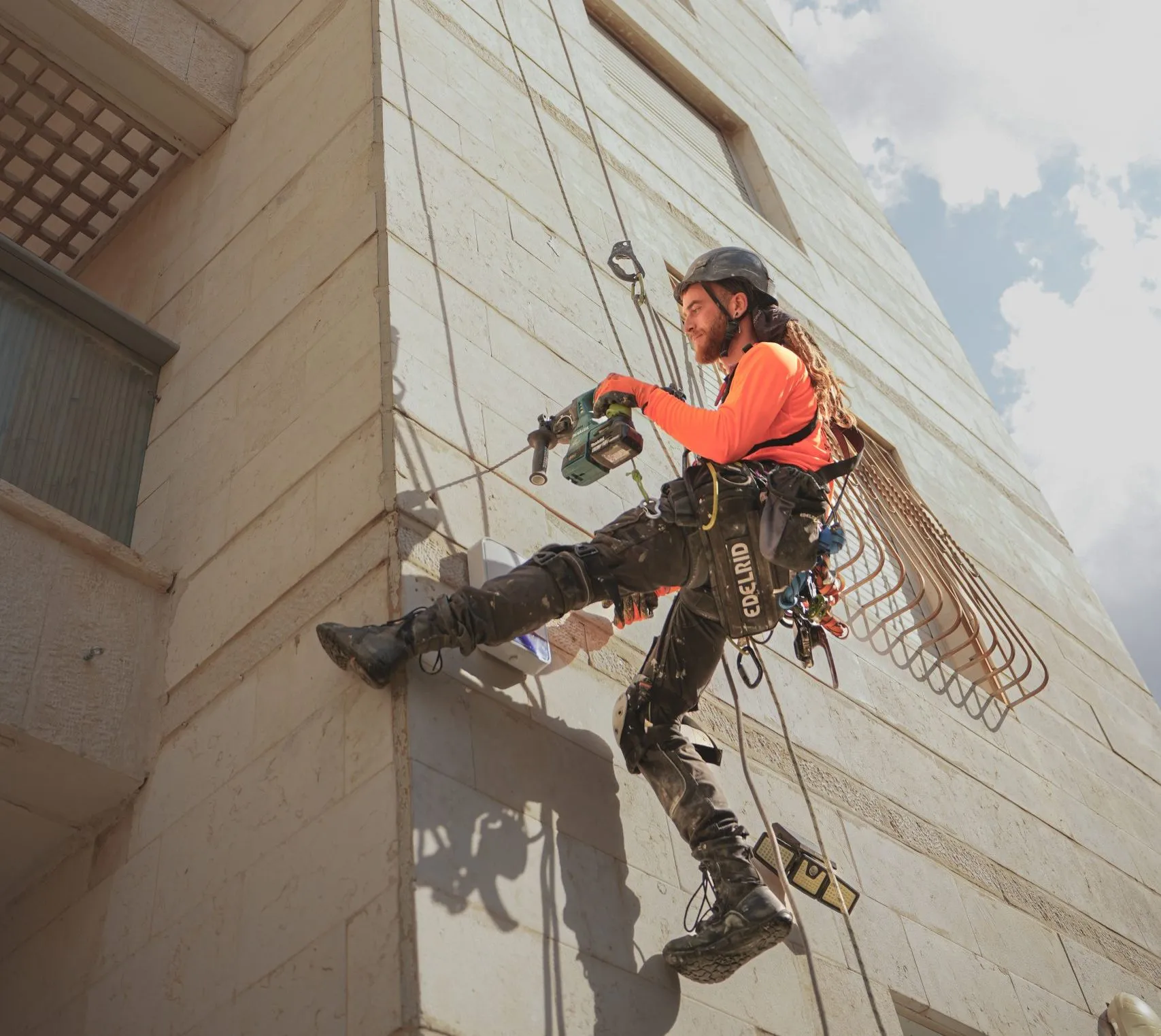
Read the article Annual Building Maintenance
A professional checklist for building committees: what to check every year on the envelope of a tall building, how to plan the budget and when to call a rope access company. A guide from Top Gova.
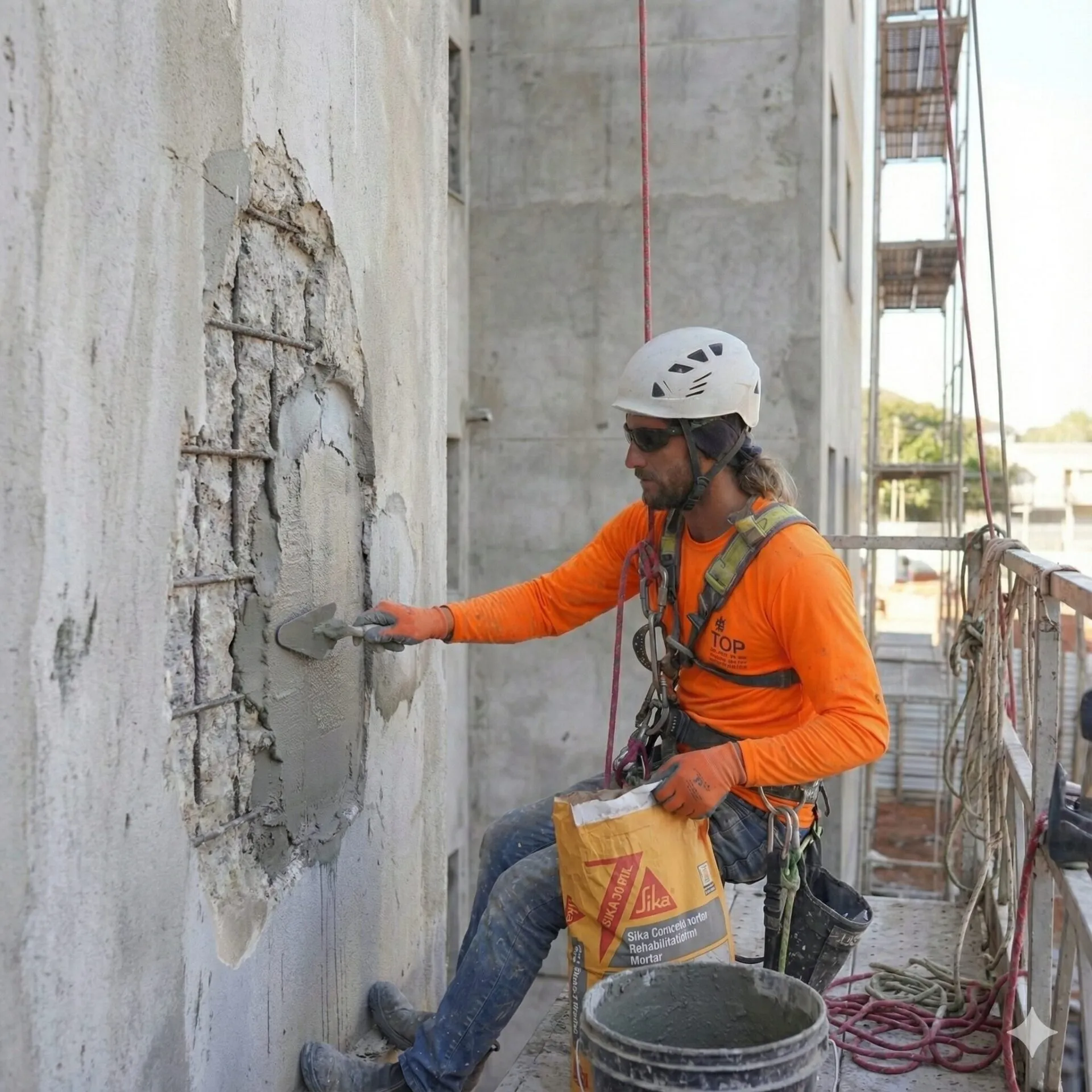
Read the article Parapet Wall Waterproofing
The parapet wall is the number one cause of damp on the top floor. Learn how to waterproof it properly with rope access and prevent damage to penthouse apartments.
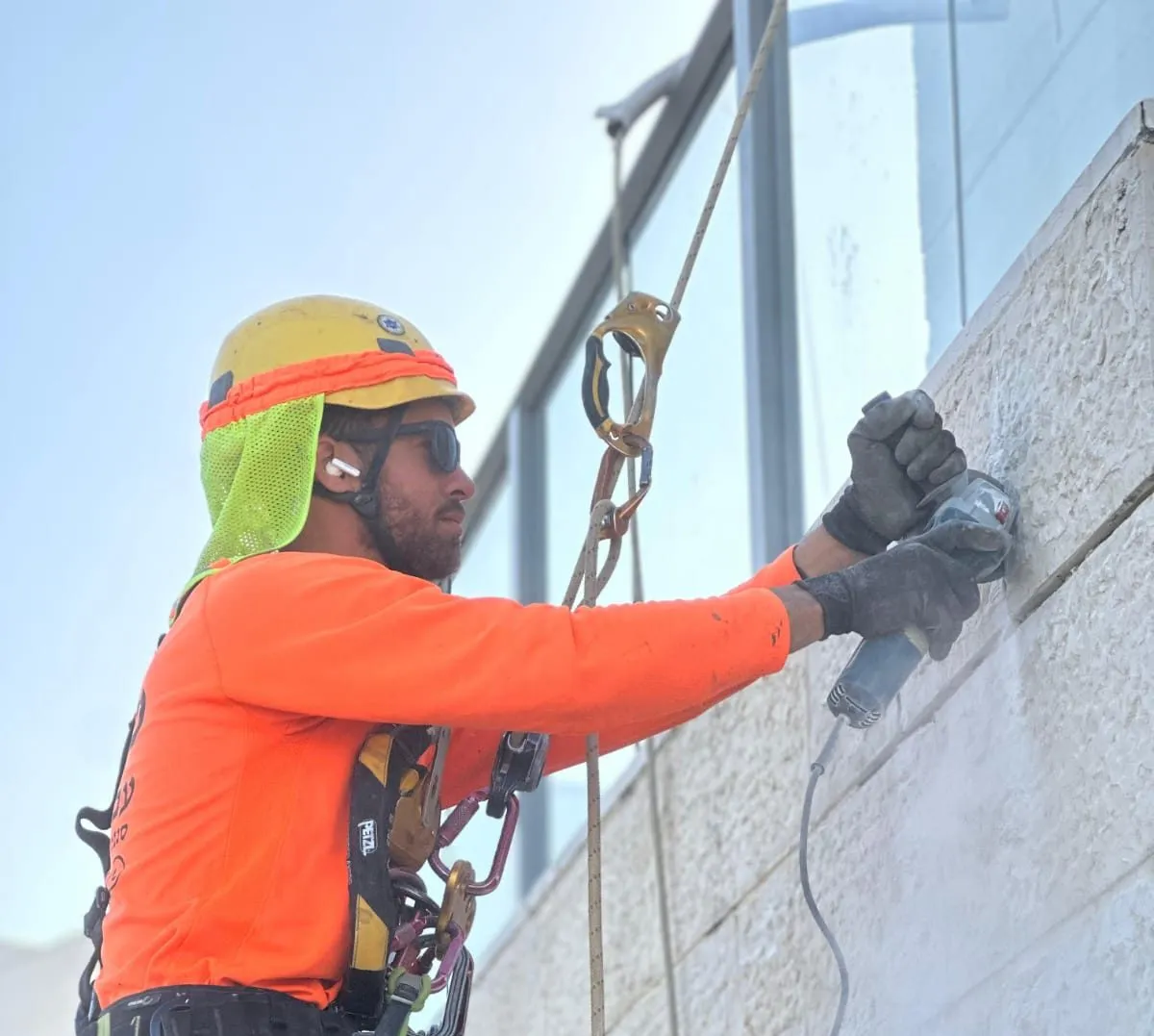
Read the article Efflorescence on Walls
Efflorescence on facades and exterior walls: the cause, how it differs from damp, and professional treatment at height. Get advice from Top Gova.