Building Inspection in a High-Rise: An Engineer's Checklist Before a Renovation or Taking Over an Apartment
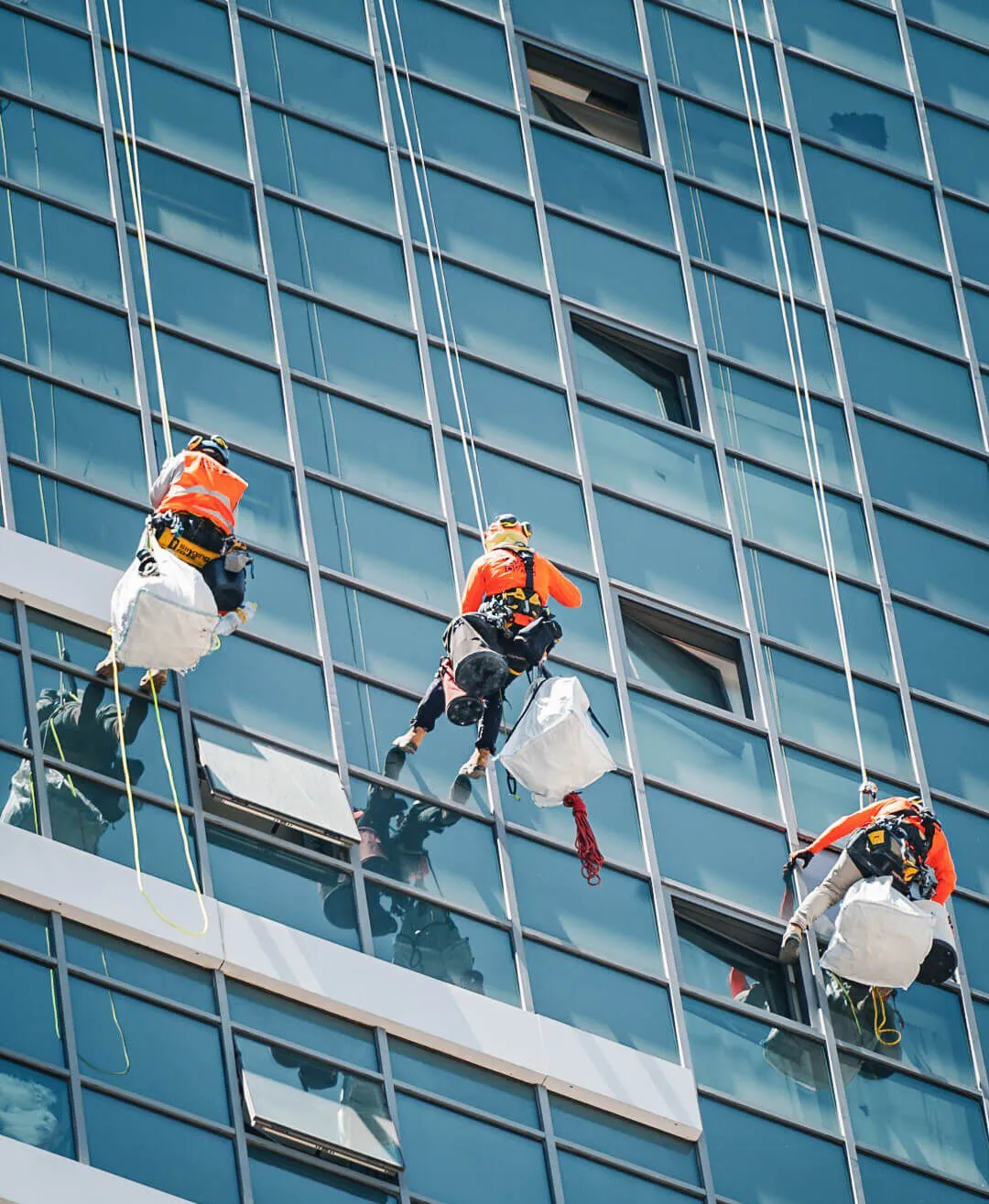
A building inspection is not only a matter of a new apartment from a sales office. A building committee planning a facade renovation, an investor buying an old building for renewal, or a resident who wants to know their responsibility before giving a contractor power of attorney: they all need an orderly diagnosis. The checklist below is based on field inspections of hundreds of buildings in Israel and focuses on what really affects the cost of the renovation.
1. Facade: an initial visual inspection
- Are there rust stains appearing in the middle of the wall (a sign of corrosion in the reinforcing steel)?
- Are there pieces of concrete that have fallen off, mainly at the underside of balconies and canopies?
- Can you see horizontal cracks parallel to the beam, a sign of pressure from inside?
- Are there algae and mold stains at the bottom of walls, a sign of rising damp?
- Is there crumbling around windows and air conditioners, an area known for common waterproofing failure?
2. Roof: the most common source of damp
- The condition of the waterproofing layer: are there tears, bubbles or detachments?
- The condition of water collection around the drainage openings: blockages cause standing water.
- The condition of the expansion joints: is the profile intact or broken?
- The stability of the rope access anchor points: critical if exterior work is planned.
- The condition of the roof flashings and their connection to the vertical wall.
3. Balconies
Balconies are the “next accident” of most buildings aged 25 and over. Check:
- The drainage slope: does water flow toward the drain or stand?
- The condition of the railing: is it stable? Cracks around its anchoring to the structure?
- The condition of the underside of the balcony: watch for rust stains and falling concrete.
- Floor waterproofing: has it been renewed in the last decade?
- Does the building committee know which contractor is responsible for the repair?
4. Stairwells and common areas
- Cracks at wall-ceiling joints: sometimes a sign of structural movement.
- Signs of damp in the ceiling on upper floors: a potential source in the roof.
- The condition of fire doors and safety installations: not relevant to work at height, but part of a complete building inspection.
5. Underground parking
In underground parking garages, serious problems of advanced corrosion are sometimes found, due to leaks from above and chlorides brought in on vehicle tires.
- Stalactites (calcified drips) on the ceiling: a sign of water penetrating through the floor above.
- Concrete falling around columns: deep corrosion.
- The condition of the expansion joints between floor sections.
6. Anchor point and height safety systems
Before ordering work at height and rope access or any other work at height, make sure the building has standard anchor points. An annual inspection of anchor points is mandatory under the Israeli standard.
7. Documentation of previous repairs
Ask the outgoing committee for an orderly file: contracts of previous work, written warranties, completion documents and photographs. A building that was treated in the past by a professional company giving a 5-10 year warranty needs less renovation again. A building that underwent “cheap repairs” with no documentation progresses quickly toward an expensive root treatment.
A professional building inspection report: what it should include
- Dated photographs of every defect.
- A classification of the severity of the defect (urgent/medium/maintenance).
- An initial treatment proposal for every point.
- An overall cost estimate for the committee’s annual budget.
- A recommendation on the order of treatment: first whatever endangers safety, then whatever prevents escalating damage.
A committee that holds such a report can make rational decisions instead of reacting to random quotes. In projects where a concrete or waterproofing defect is found, the next step is an in-depth diagnosis by a rope access concrete restoration company with experience in work at height.
An official source for more on building standards and inspections is
the website of the Standards Institution of Israel, which publishes the relevant building standards.
When is it advisable to carry out a building inspection?
It is advisable to carry out a comprehensive building inspection once every 5 years in an average building, and once every 3 years in a building near the seashore because of the chlorides. In addition, every decision on a major renovation must start with an orderly inspection report. The cost of the inspection usually justifies itself in the price gaps between contractors’ quotes, which become realistic when the problems are precisely defined.
Thank you! We received your request and will get back to you soon.
More articles you may find interesting
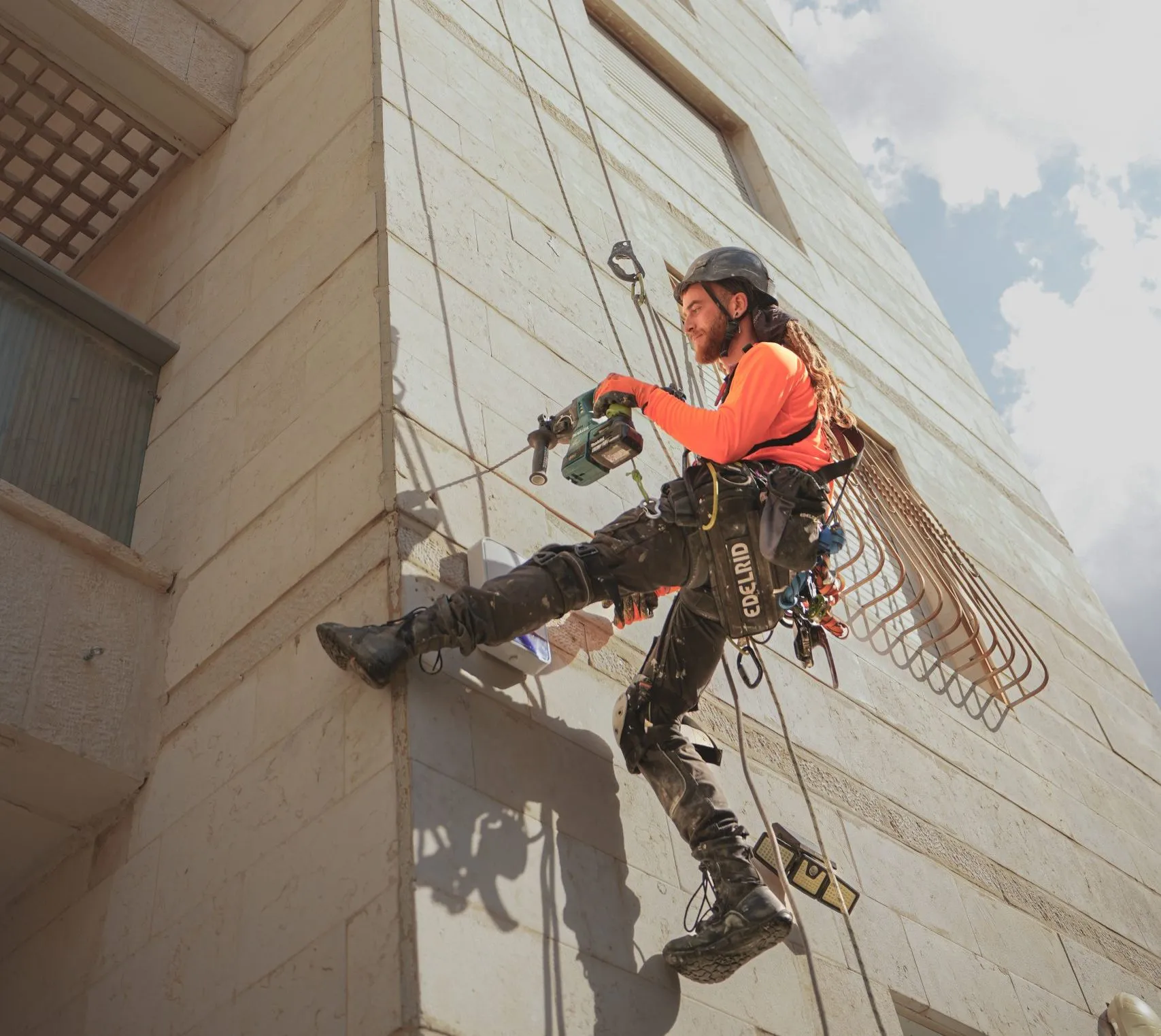
Read the article Annual Building Maintenance
A professional checklist for building committees: what to check every year on the envelope of a tall building, how to plan the budget and when to call a rope access company. A guide from Top Gova.
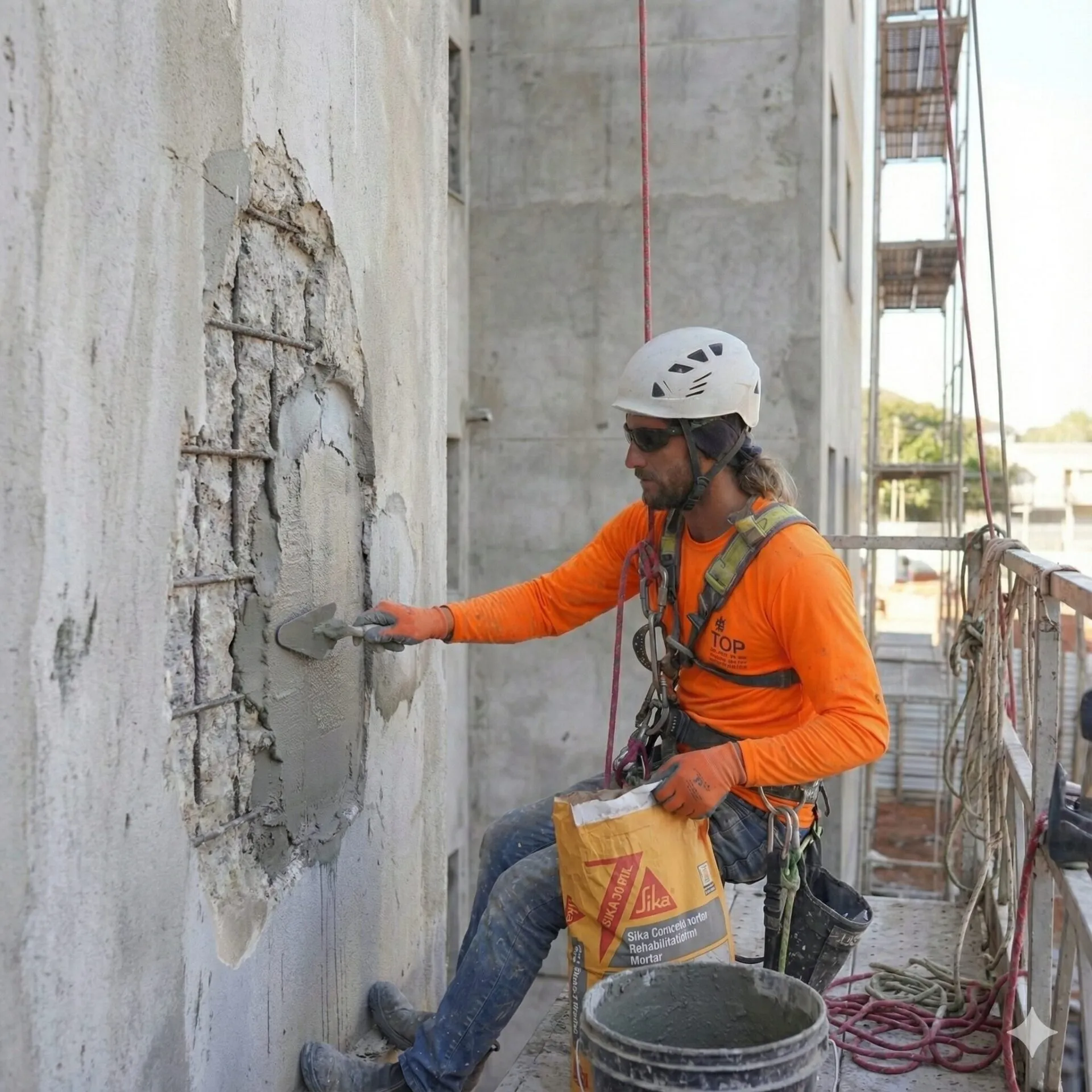
Read the article Parapet Wall Waterproofing
The parapet wall is the number one cause of damp on the top floor. Learn how to waterproof it properly with rope access and prevent damage to penthouse apartments.
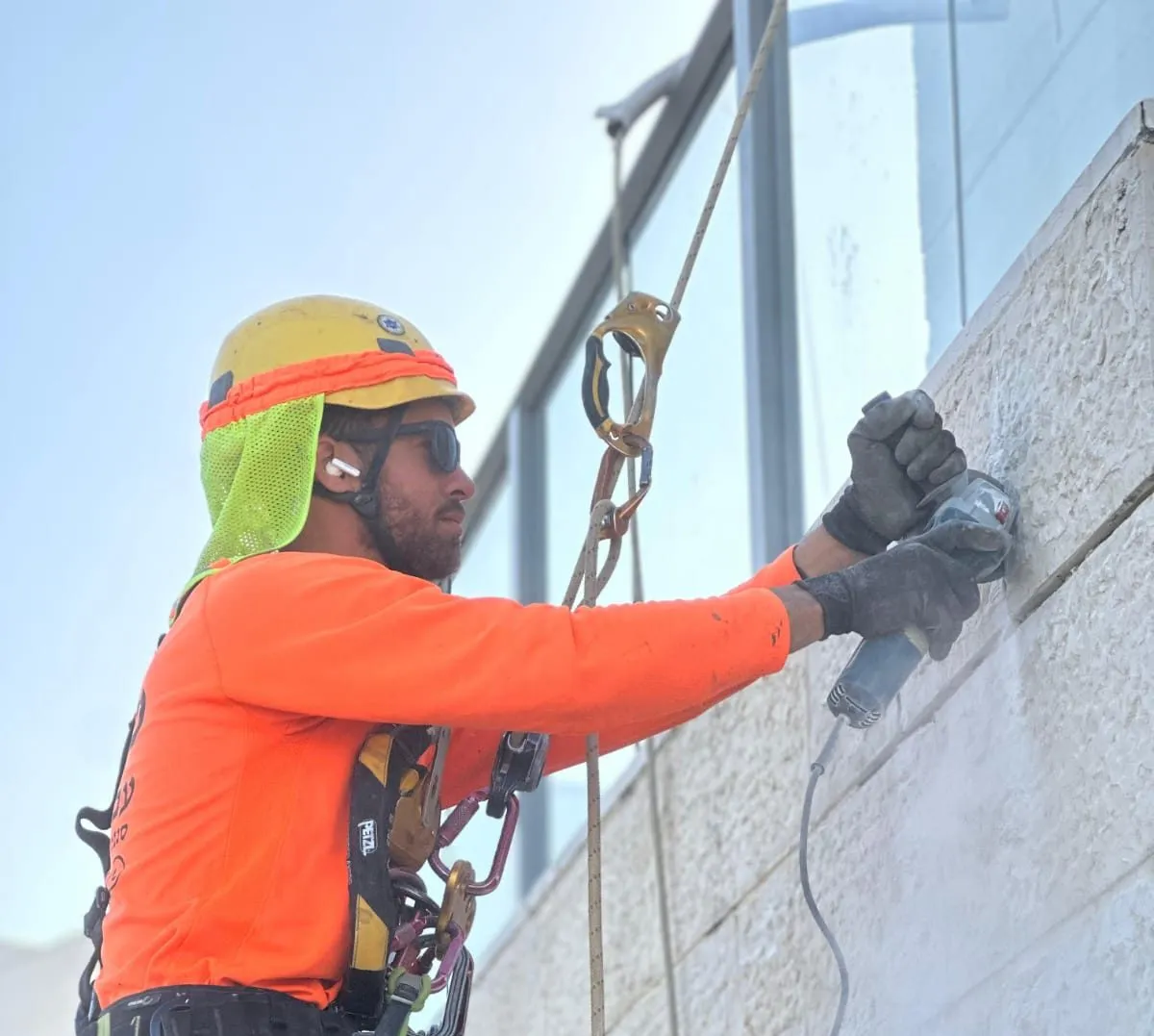
Read the article Efflorescence on Walls
Efflorescence on facades and exterior walls: the cause, how it differs from damp, and professional treatment at height. Get advice from Top Gova.