Concrete Wall Restoration
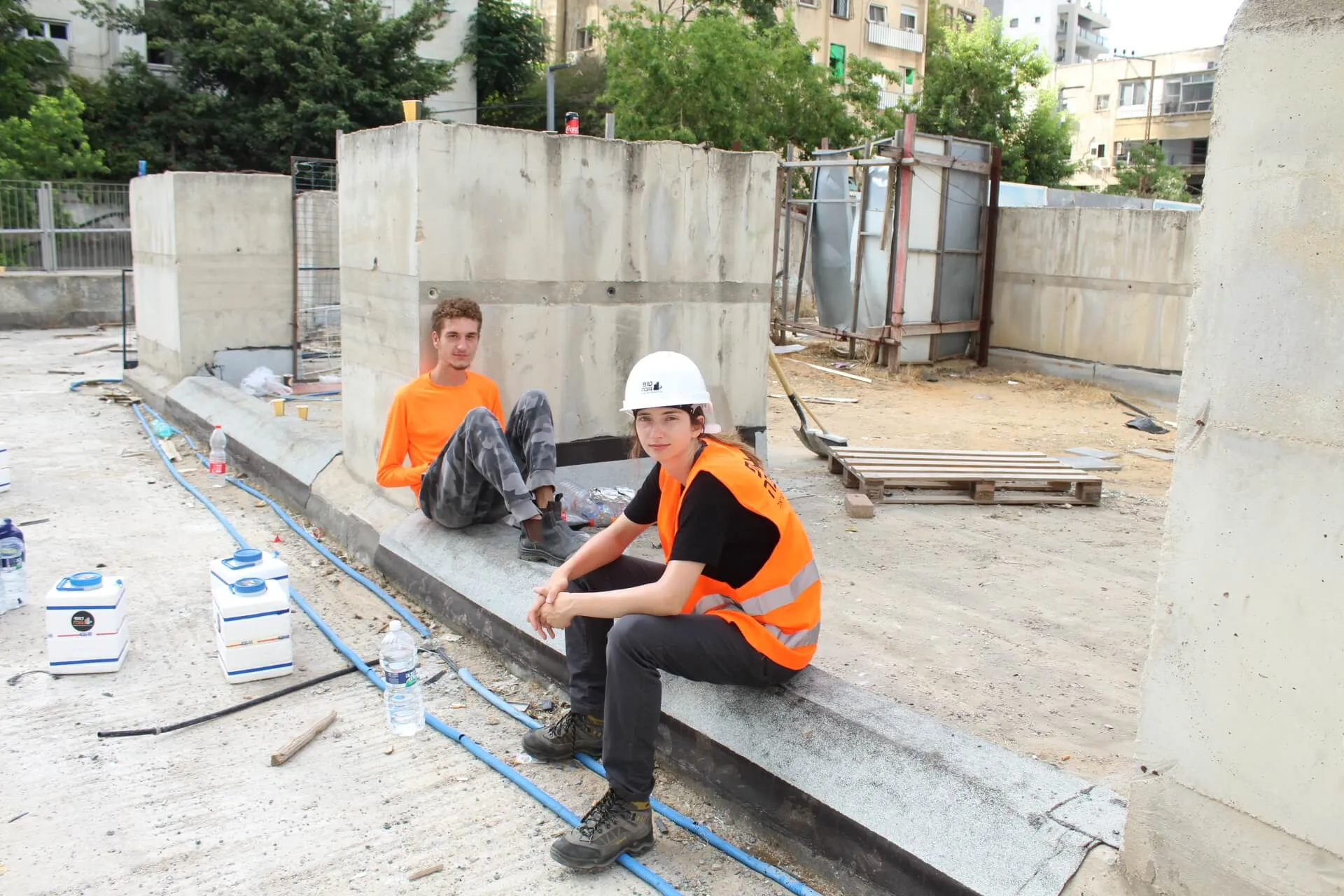
Concrete wall restoration: when cosmetics are not enough and the structure is at risk
Every building has a “chronological age”, and like the human body, concrete too starts to show signs of aging over the years. But unlike wrinkles in the skin, when concrete ages it can be dangerous. Many building committees tend to confuse painting and waterproofing work with concrete restoration work. While paint is meant to improve the appearance and waterproofing is meant to prevent water penetration, concrete restoration is surgical treatment of the building’s frame itself. At Top Gova we come across many cases in which neglecting small cracks led to heavy chunks of concrete breaking away, a situation that endangers lives and demands immediate treatment. If you have seen exposed steel in the exterior wall or pieces of plaster on the ground, this article is required reading for you.
The “disease” of concrete: how does it happen?
To understand why concrete needs restoring, you need to understand what happens inside the wall. Modern concrete is a very strong material, but it is brittle. To give it flexibility and tensile strength, steel mesh and bars (reinforcing steel) are placed inside it. Ideally, the concrete protects the steel from air and moisture.
The problem starts when the outer shell cracks or becomes porous over the years. A chemical process called “carbonation” causes the concrete to lose its alkalinity, and the protection of the steel disappears. When water and oxygen reach the steel, it starts to rust. Rust is a material whose volume is several times larger than the volume of the original steel. When the steel swells inside the concrete, it exerts enormous pressure from the inside out. The concrete cannot withstand this pressure, cracks, and finally bursts and falls. In professional language this phenomenon is called “spalling”, and it is the main reason tiles and chunks of concrete fall from building facades.
The signs that call for a concrete restoration expert
You do not need to be an engineer to identify concrete problems, but you do need to be alert. On a walk around the building, look for the following signs:
- Exposed, rusty steel: if you see brown or red steel bars peeking out of the wall or the balcony ceiling, the situation is already advanced.
- Wide, deep cracks: unlike “hairline” cracks, which are mostly in the plaster, cracks in concrete look deeper and are sometimes accompanied by rust stains running down from them.
- Bulges in the wall: if the wall looks “pregnant” or there is a suspicious bulge in the plaster, it is a sign that the steel inside is pushing the concrete outward. A light tap with a broom handle in the area will produce a hollow sound.
- Pieces of concrete in the parking lot: the clearest and most frightening sign. If you have found fragments of concrete on the sidewalk, it is a glaring red light that demands immediate action to prevent a disaster.
The building committee’s responsibility
It is important to understand the legal implications. Israeli law places responsibility for maintaining the structure on the apartment owners and on the representatives of the jointly owned building (the committee). In the unfortunate event that a chunk of concrete breaks off and hits a passer-by or a parked car, the building committee may find itself exposed to heavy damages claims and even to criminal charges of negligence. Restoring concrete walls is not a luxury: it is a necessary preventive action to keep the public safe and to protect the residents’ pockets.
The stages of professional concrete restoration
At Top Gova, concrete restoration is a systematic, precise process. We do not settle for “plastering over” the problem, but treat its root to ensure it does not come back in the coming years. Here are the main stages of the work:
- Exposing and chiseling: the first stage is removing all the loose concrete. Our workers, suspended on rope access, use small hammers to chisel the damaged area until they reach healthy, strong concrete, exposing the rusty steel around its whole circumference.
- Treating the reinforcing steel: after exposure, we clean the steel of concrete residue and loose rust (with steel brushes or discs). Then a special material called a “rust converter”, or an anti-corrosion protective material, is applied to the steel. This material stops the oxidation process and prevents the rust from continuing to spread. In extreme cases where the steel has been completely “eaten away”, we add new steel by drilling and chemical anchoring.
- Restoring the volume: the hole created in the wall cannot be closed with just ordinary cement. We use dedicated cementitious repair materials (such as Sika Rep or equivalent), which have high mechanical strength, do not shrink as they dry, and bond perfectly to the old concrete. Working in layers ensures proper drying and maximum strength.
- Smoothing the surface: after the repair material has dried, a smoothing coat (finishing plaster) is applied to return the wall to its original texture and prepare it for painting.
- Final protection: the last stage is critical to prevent the problem from recurring. We apply a paint or coating system that protects the concrete from the penetration of water and carbon dioxide (anti-carbonation).
The advantage of rope access in concrete restoration
Concrete restoration is usually spot work. That is, the damage is scattered across the facade at different points: next to the window on the 3rd floor, under the balcony on the 6th floor, and at the corner of the roof. Erecting scaffolding over the whole building for 10-20 points of damage is a huge waste of money and unnecessary logistics. Working with rope access lets Top Gova’s teams “jump” between the different points quickly and efficiently. The technician descends exactly to the problem spot, carries out the treatment, and moves on to the next spot. This saves precious time, cuts the costs to the building committee by tens of percent, and allows precise surgical treatment without turning the building into a construction site for months.
In summary
Peeling walls and cracked concrete are not fate, but a call to action. Neglecting the building’s frame makes the damage worse at an exponential rate: what can be repaired today for a few thousand shekels will cost tens of thousands after one more winter. Top Gova’s professional teams are skilled in complex concrete restoration at great height, using the most advanced materials on the market. We are here to restore your building’s strength, safety and aesthetic appearance, and to give you the peace of mind you deserve.
Thank you! We received your request and will get back to you soon.
More articles you may find interesting
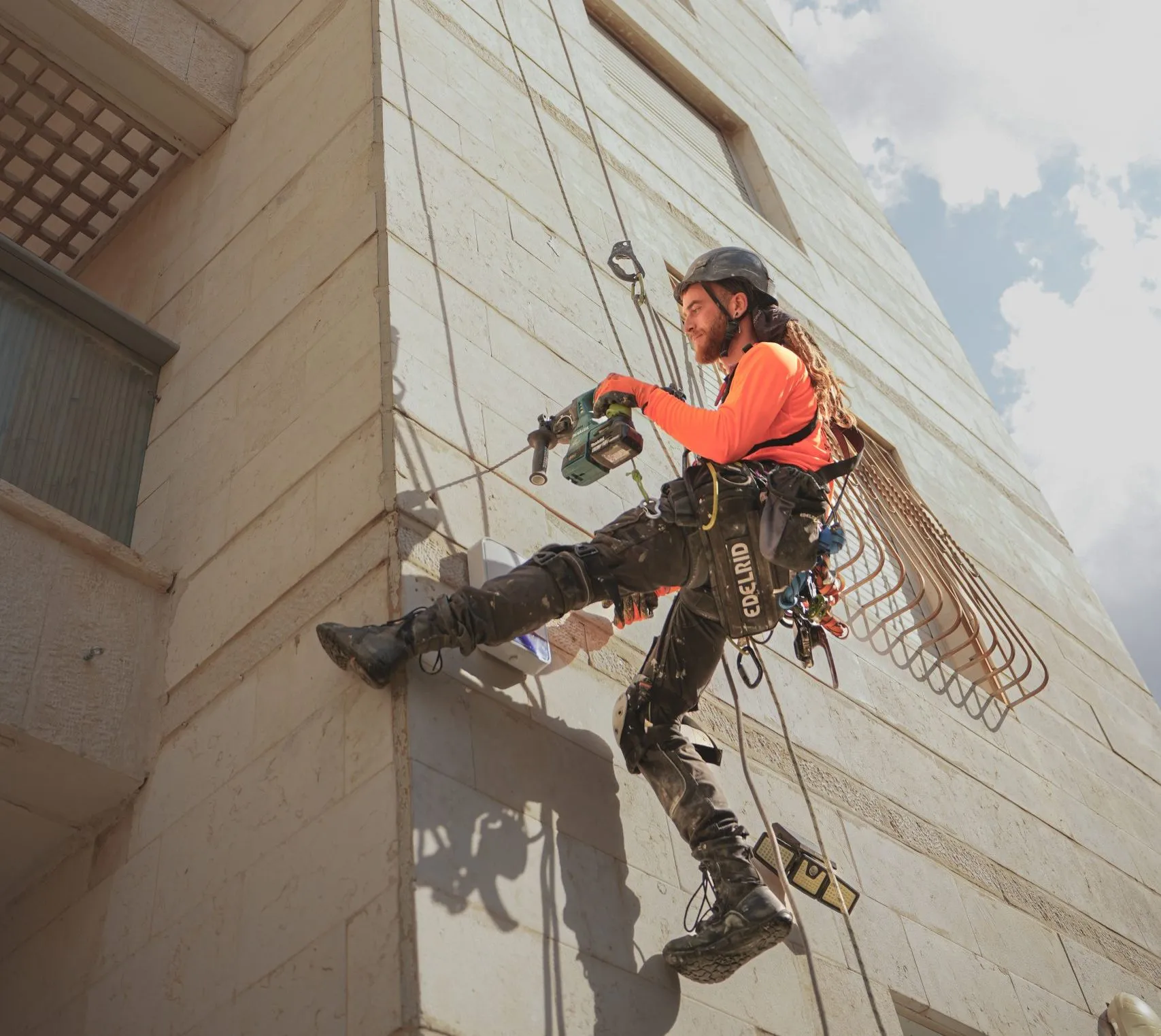
Read the article Annual Building Maintenance
A professional checklist for building committees: what to check every year on the envelope of a tall building, how to plan the budget and when to call a rope access company. A guide from Top Gova.
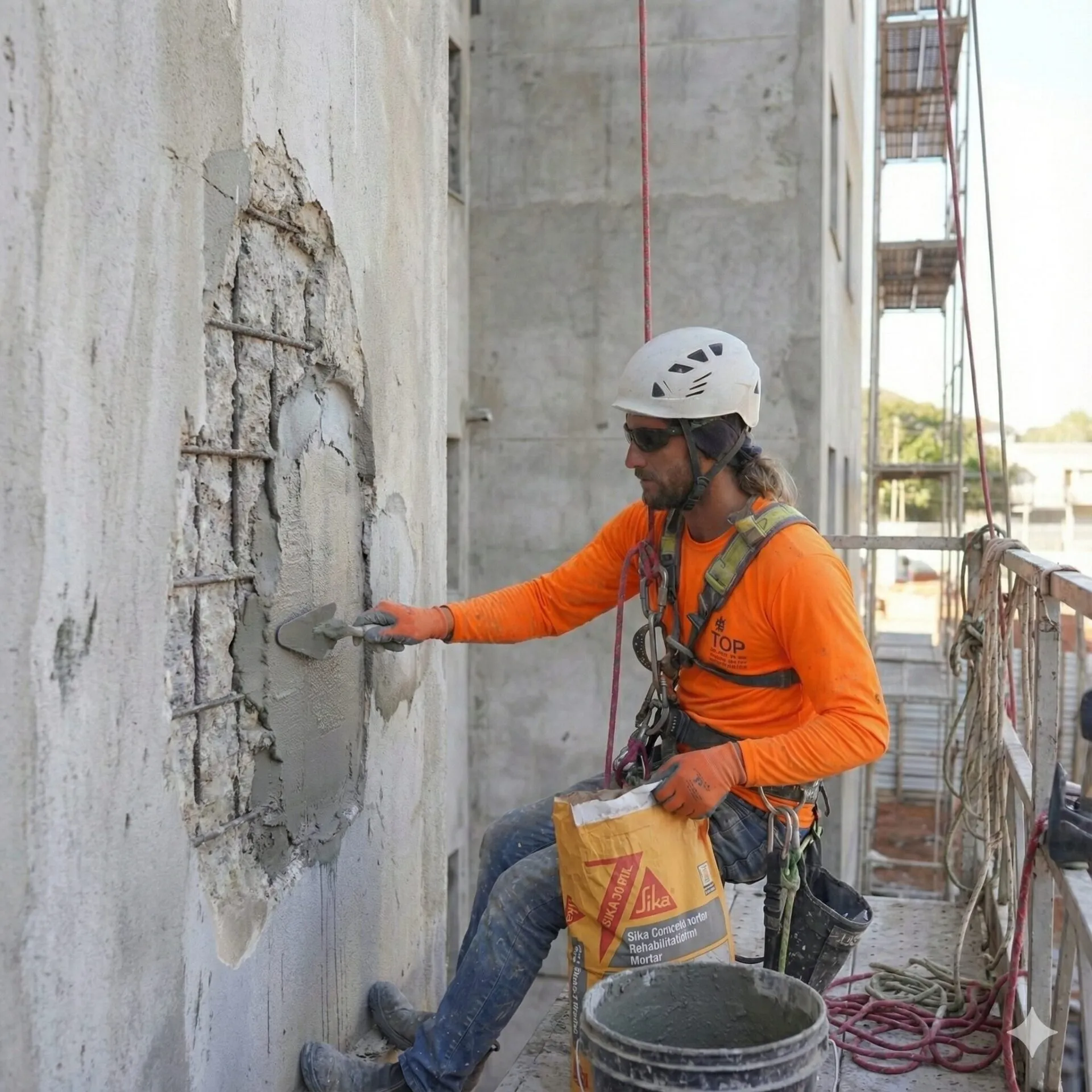
Read the article Parapet Wall Waterproofing
The parapet wall is the number one cause of damp on the top floor. Learn how to waterproof it properly with rope access and prevent damage to penthouse apartments.
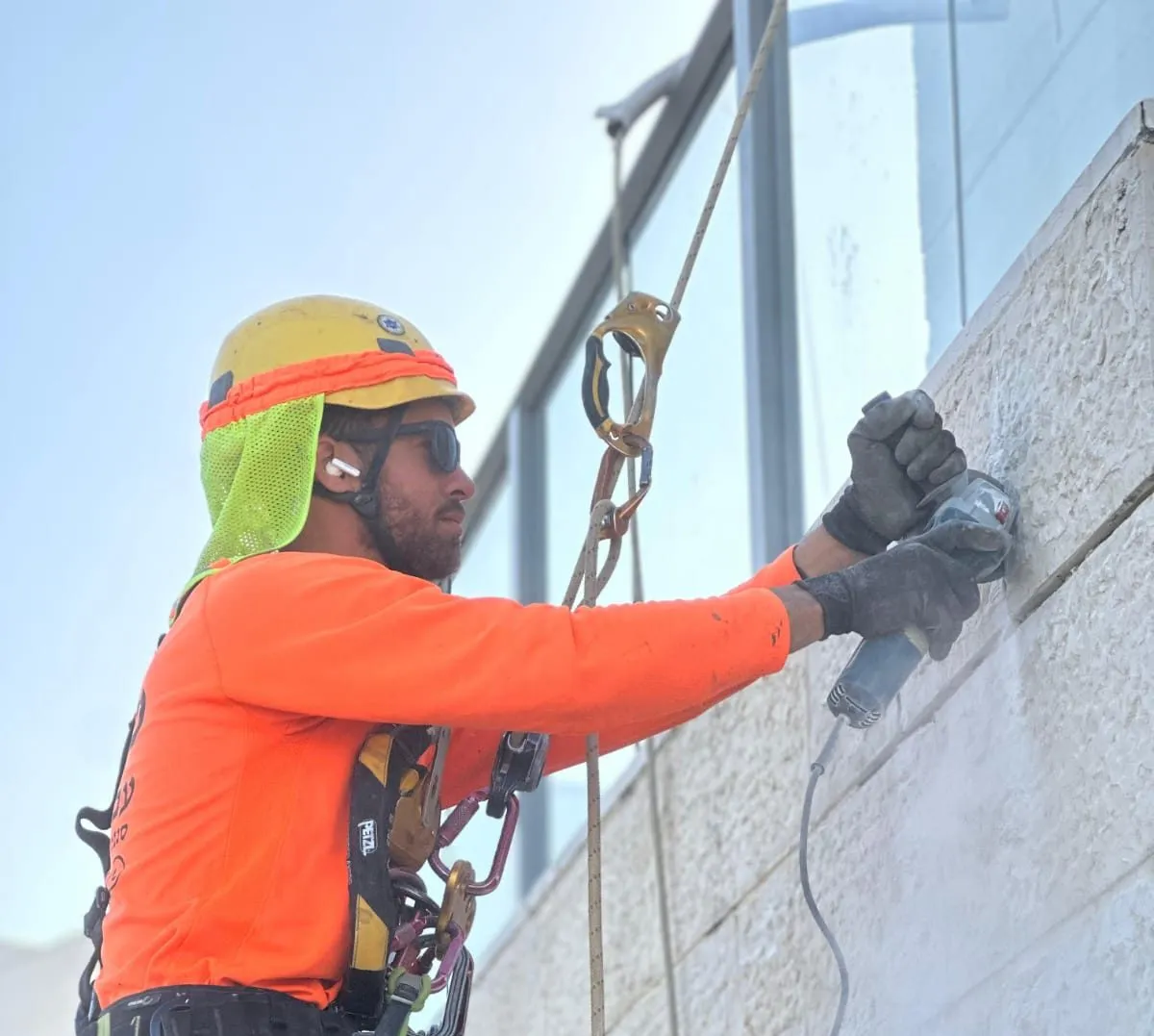
Read the article Efflorescence on Walls
Efflorescence on facades and exterior walls: the cause, how it differs from damp, and professional treatment at height. Get advice from Top Gova.