Damp in the Wall
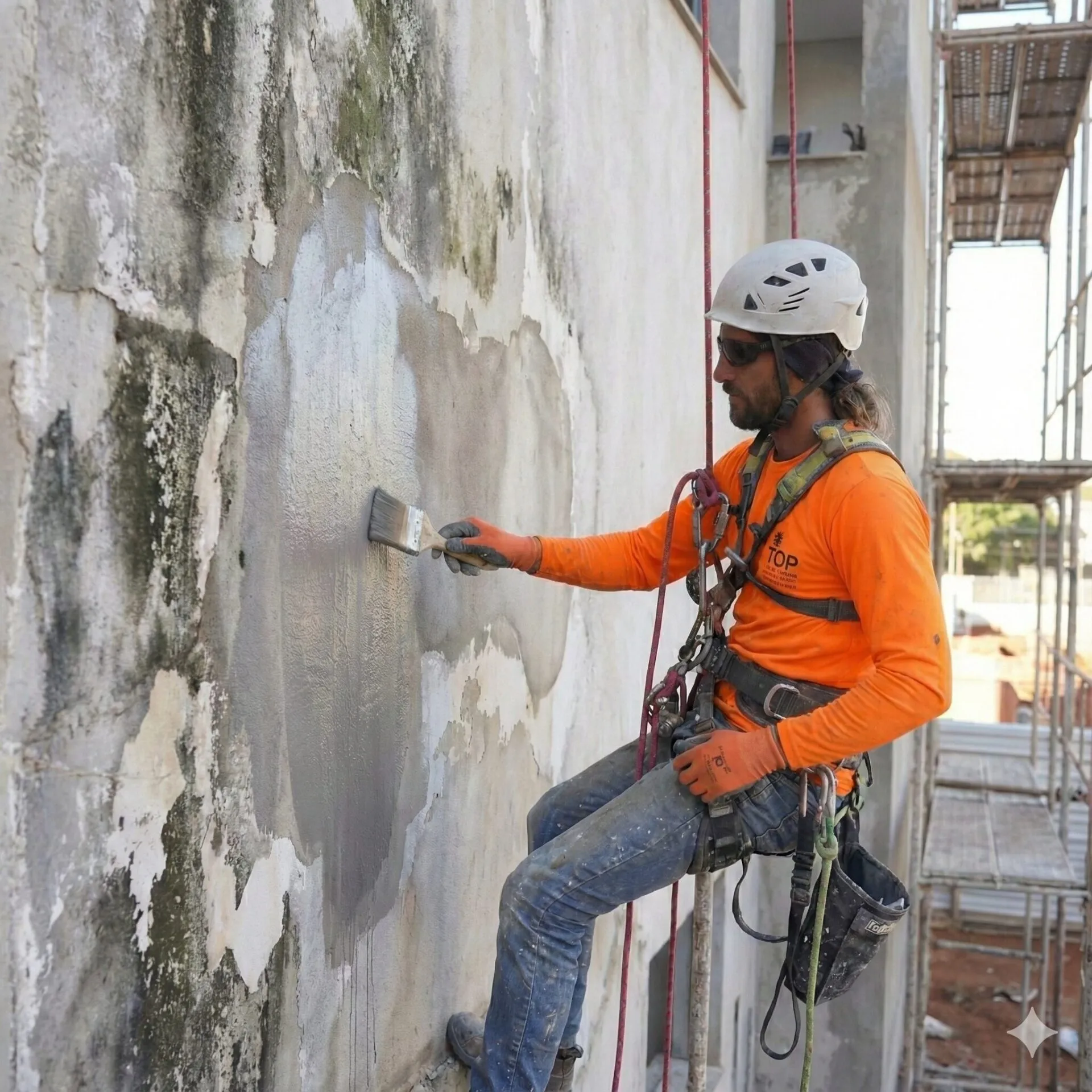
Damp in the wall? The complete guide to identifying the source and treating the problem
The scenario is familiar to every resident of a shared building: in winter a dark stain appears in the corner of the ceiling or in the middle of the living room wall, in summer it dries a little and the paint starts to peel, and the next winter it comes back bigger and more threatening. Damp in the wall is not just an aesthetic nuisance that spoils the apartment: it is a clear warning sign of a failure in the building envelope. Many residents rush to scrape off the paint and carry out cosmetic repairs inside the home, but without treating the root of the problem, which is outside, the damp will certainly come back.
Where does the water come from?
The first stage in solving the problem is an accurate distinction between two common types of damp. The first type is condensation, usually resulting from a lack of ventilation in bathrooms or poor thermal insulation, and characterized by black mold spots. The second type, and the more serious one, is water penetration from outside.
If you recognize the following signs, the problem is probably external:
- A white “bloom” of salts appearing on the wall.
- Swelling of the plaster and paint (bubbles).
- Yellowish-brown stains that spread after rainy days.
- Damp that appears on exterior walls (facing the street) and not on interior walls.
In these cases, the water has found a breach in the building’s exterior cladding, and it is seeping inward through the blocks and the concrete.
The hidden path of water in the exterior wall
Exterior walls are constantly exposed to extreme temperature changes and natural wear. Over the years cracks form, sometimes fine hairline cracks that are almost invisible to the naked eye. A physical phenomenon called “capillarity” causes water to be drawn into these narrow cracks and to move inside the wall. The great challenge in detecting damp in an exterior wall is that the water does not always penetrate in a straight line opposite the stain inside the home: it may enter through a crack on the fifth floor, flow down inside the wall, and come out on the third floor.
The solution: targeted, focused rope access treatment
When the source is external, the most efficient solution is rope access work. This method saves the heavy costs and the bureaucracy of erecting scaffolding and allows the professional team to reach every point of the building envelope quickly.
The process of repairing damp in an exterior wall is carried out in several critical stages:
- Scanning and mapping: a professional rope-access technician descends along the exterior wall and locates the waterproofing failures: cracks in the plaster, loose joints between cladding stones, or waterproofing failures around windows.
- Surface preparation: grooving and widening the cracks to ensure that the new material penetrates deep and does not just cover the surface.
- Applying a waterproofing system: using flexible polyurethane or cement-based materials that can bridge cracks and withstand the building’s natural movements for years.
Repairing a wall after damp: only at the end
It is important to stress: any attempt to carry out wall repair after damp inside the apartment before you have treated the exterior envelope is a waste of money. Only after the exterior waterproofing has been done and the wall has dried completely (a process that can take several weeks in summer) can you move on to restoring the interior wall, peeling off the damaged plaster and repainting.
At Top Gova we specialize in detecting and waterproofing complex sources of damp in shared buildings, using advanced rope access equipment and first-rate waterproofing materials. Do not let the damp spread: contact us for a thorough, professional solution.
Thank you! We received your request and will get back to you soon.
More articles you may find interesting
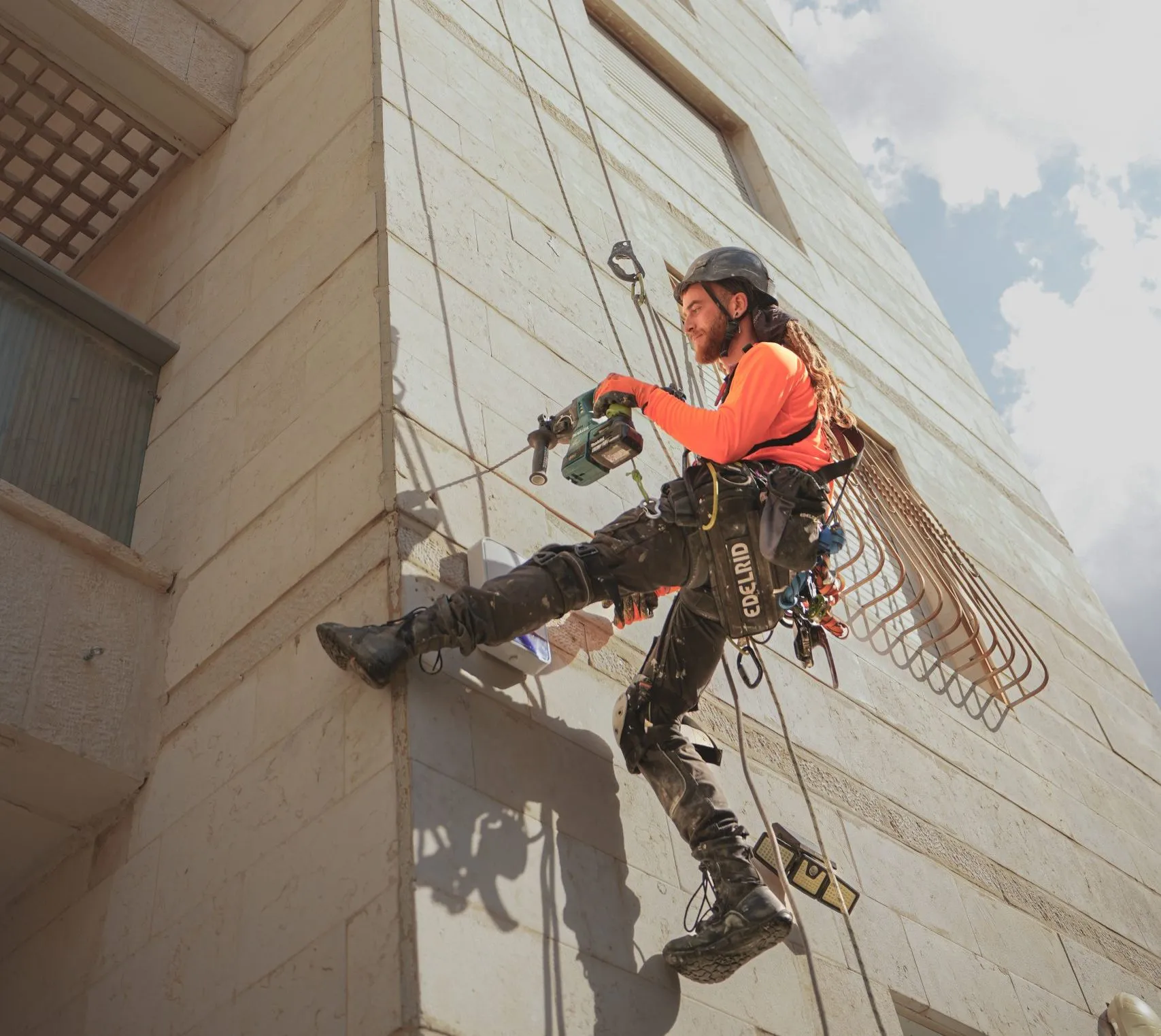
Read the article Annual Building Maintenance
A professional checklist for building committees: what to check every year on the envelope of a tall building, how to plan the budget and when to call a rope access company. A guide from Top Gova.
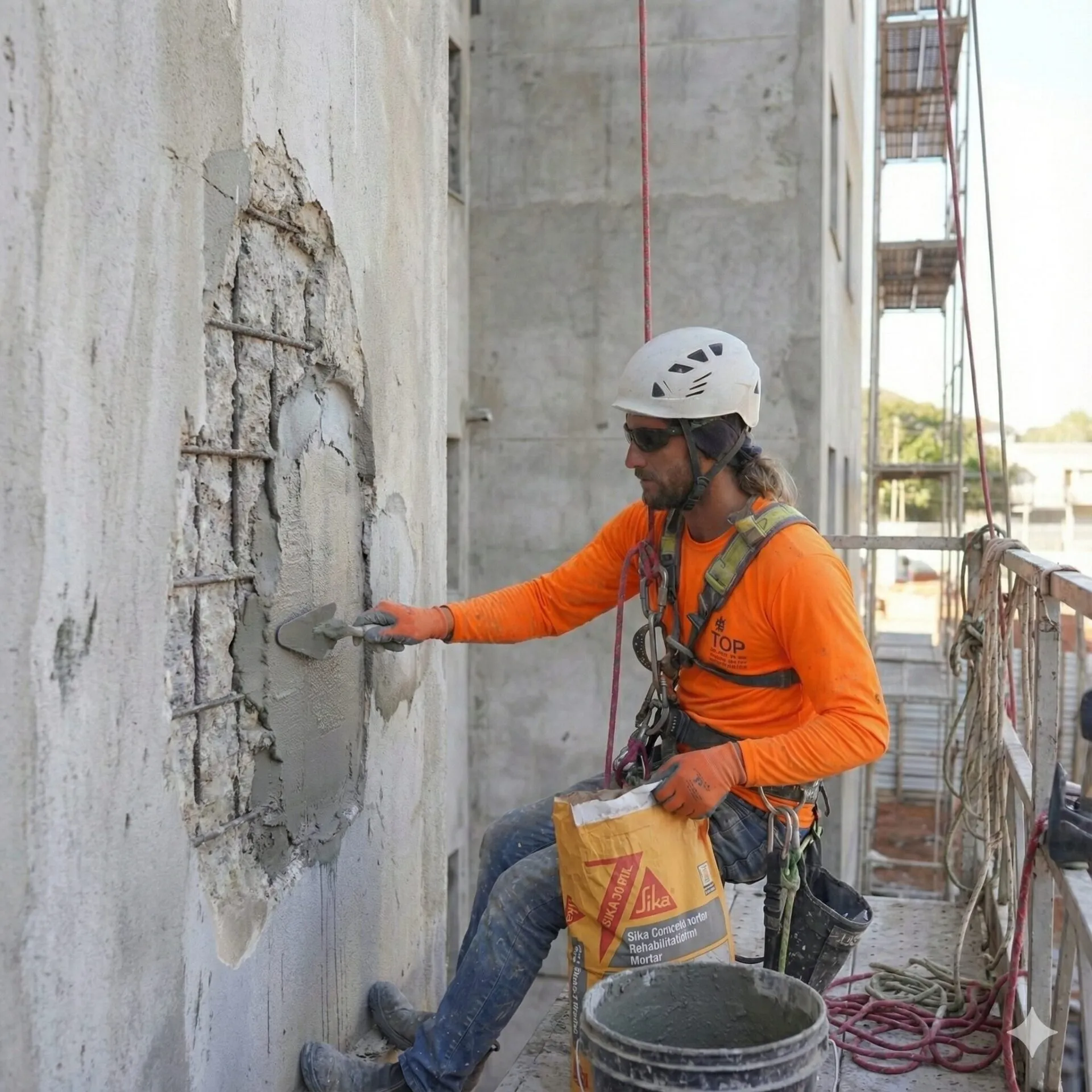
Read the article Parapet Wall Waterproofing
The parapet wall is the number one cause of damp on the top floor. Learn how to waterproof it properly with rope access and prevent damage to penthouse apartments.
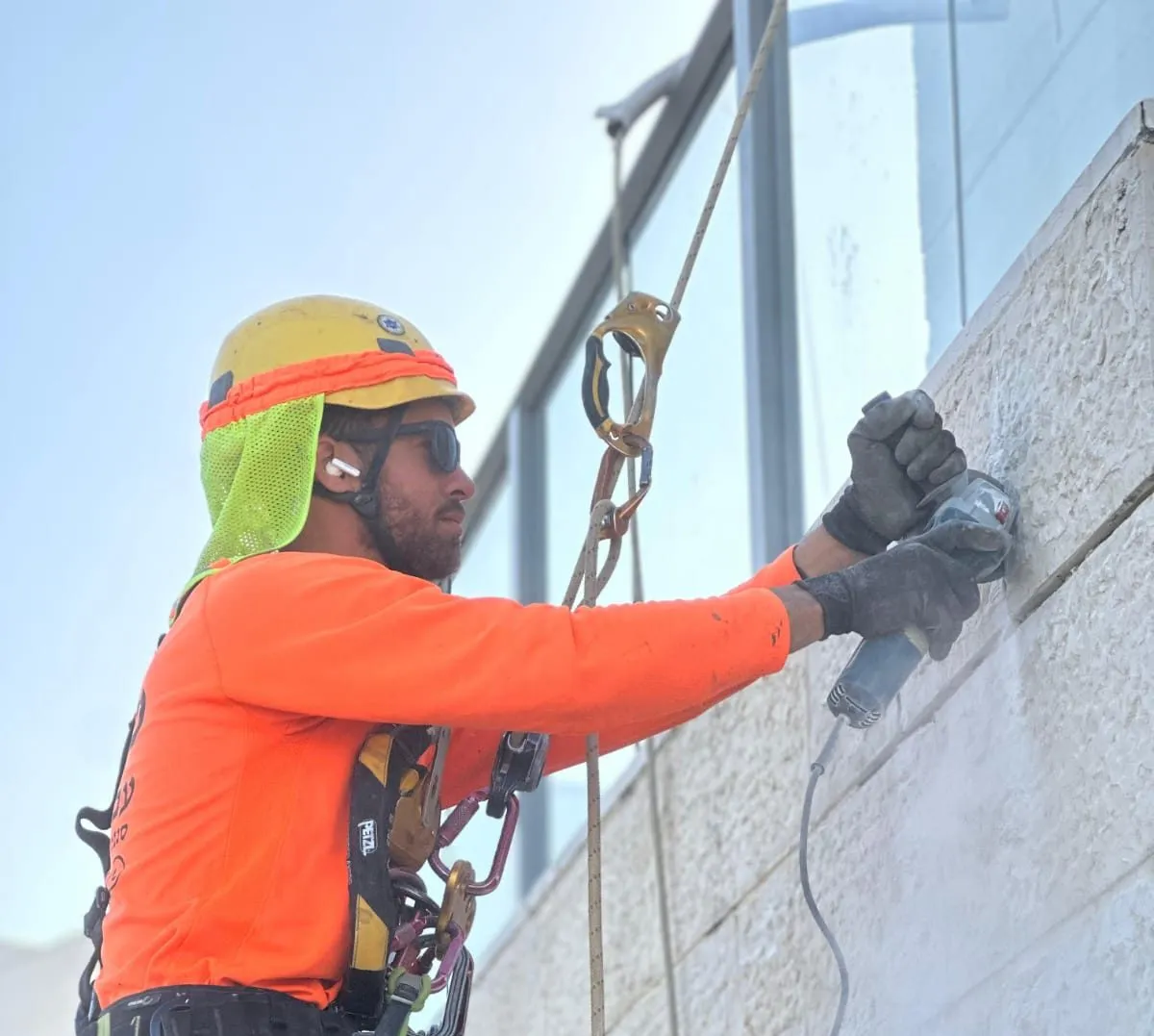
Read the article Efflorescence on Walls
Efflorescence on facades and exterior walls: the cause, how it differs from damp, and professional treatment at height. Get advice from Top Gova.