Repairing Dangerous Balcony Railings: Diagnosis, Strengthening and Replacement by Rope Access
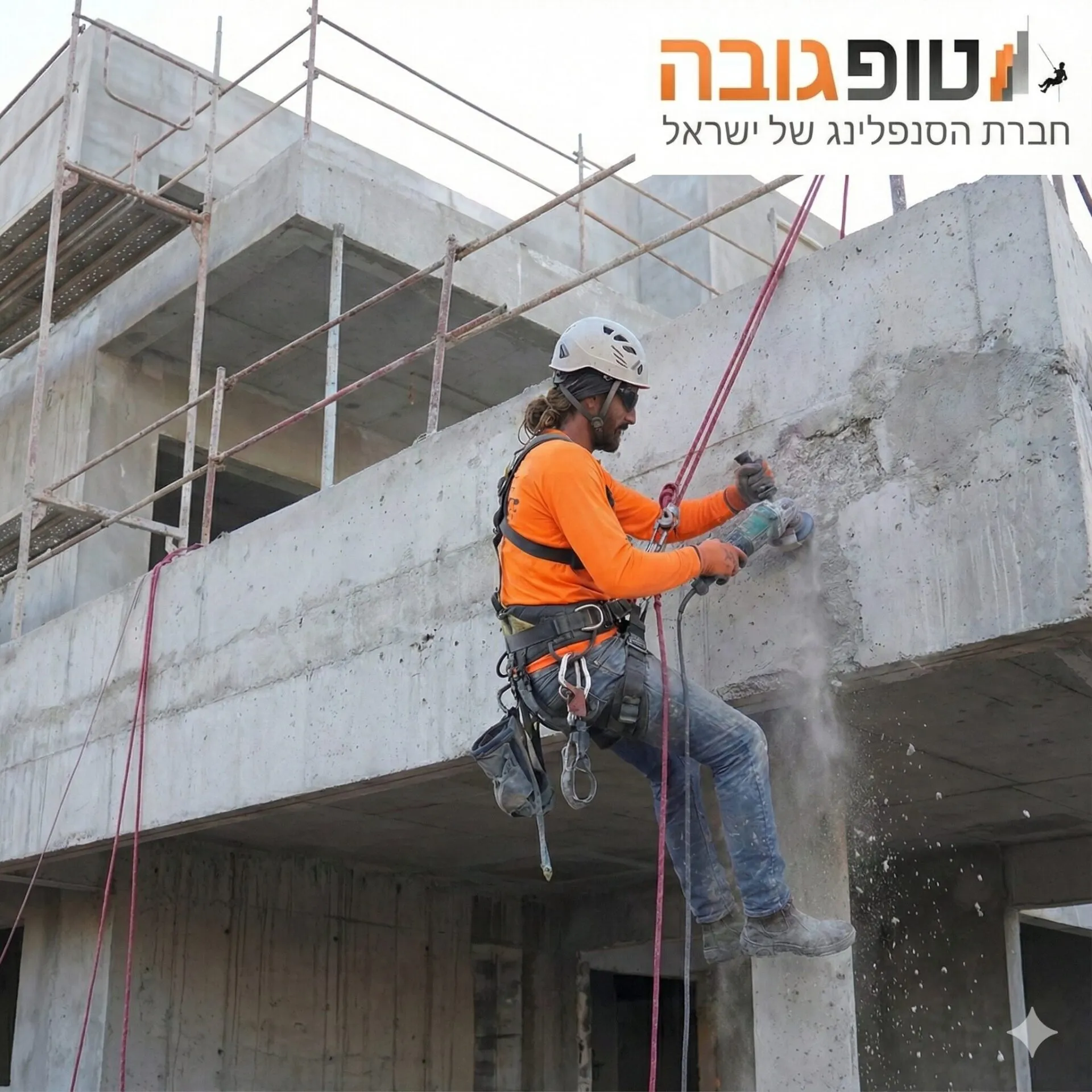
Why balcony railings become an urgent problem
A balcony railing is not a decorative element: it is a safety element that prevents a fall from height. A railing weakened by rust, loose anchoring or crumbling concrete around its base is a real danger to life. In Israel, municipalities routinely issue repair orders for dangerous railings, and residents who do not deal with them in time find themselves facing fines, lawsuits and sometimes criminal liability.
The problem is especially common in buildings 25 years old and over, where the original railings are made of ordinary (non-galvanized) steel that has been exposed to water and moisture for many years.
How to identify a dangerous railing
- The railing moves when you lean on it with reasonable force: instability is the most obvious sign.
- Visible rust at the base: especially at the point where the steel enters the concrete or the balcony flooring. That is where water collects and the corrosion is most aggressive.
- Cracks in the concrete around the anchoring points: the rusting steel swells and pushes the surrounding concrete.
- Missing parts: vertical bars that have broken or been removed, creating gaps that are dangerous for children.
- A railing height below 105 cm: it does not meet the current standard (in old buildings the height was 95 cm or less).
Strengthening versus replacement: when to do which
When strengthening is possible
If the railing’s frame is still structurally intact and the problem is limited to surface corrosion or loose anchoring, strengthening can be carried out. Strengthening includes cleaning the rust down to sound metal, applying anti-corrosive paint, and restoring the anchoring points in the concrete with new chemical anchors. Welded reinforcing plates are sometimes added at weak points.
When replacement is a must
When the steel section has lost more than 30% of its original thickness, when the anchoring points cannot be repaired, when the railing height does not meet the standard and there is no way to raise it, or when an engineer has determined in a report that the railing cannot be strengthened, it must be replaced. A full replacement includes removing the old railing, restoring the concrete at the base, and installing a new railing of aluminum, stainless steel or galvanized steel.
Carrying out the work by rope access: why this is the right method
Balconies on high floors cannot be reached from inside for exterior strengthening work. A work at height and rope access team can reach the railing from outside, carry out welding, bolting and sealing without entering the apartment and without erecting expensive scaffolding. Rope access also allows a fast mapping of all the railings in the building: an inspection that takes one day instead of a week on scaffolding.
Standards and requirements
Israeli Standard 1142 states that a balcony railing in a residential building must be at least 105 cm high, with a maximum gap of 10 cm between vertical bars (to prevent children from getting through). The railing must withstand a horizontal load of 100 kg per meter of length. Any railing that does not meet these requirements is considered dangerous and requires treatment.
Further information on safety standards for railings can be found on the Standards Institution of Israel website.
What to do now
If you suspect that the railings in your building are not safe, the first step is a professional visual inspection. A company with experience in rope access concrete restoration can map all the railings in the building, classify each one by severity, and submit an orderly report with recommendations to the building committee: what to strengthen, what to replace, and what can wait. It is better to act proactively than to wait for an order from the municipality or, heaven forbid, an accident.
Thank you! We received your request and will get back to you soon.
More articles you may find interesting
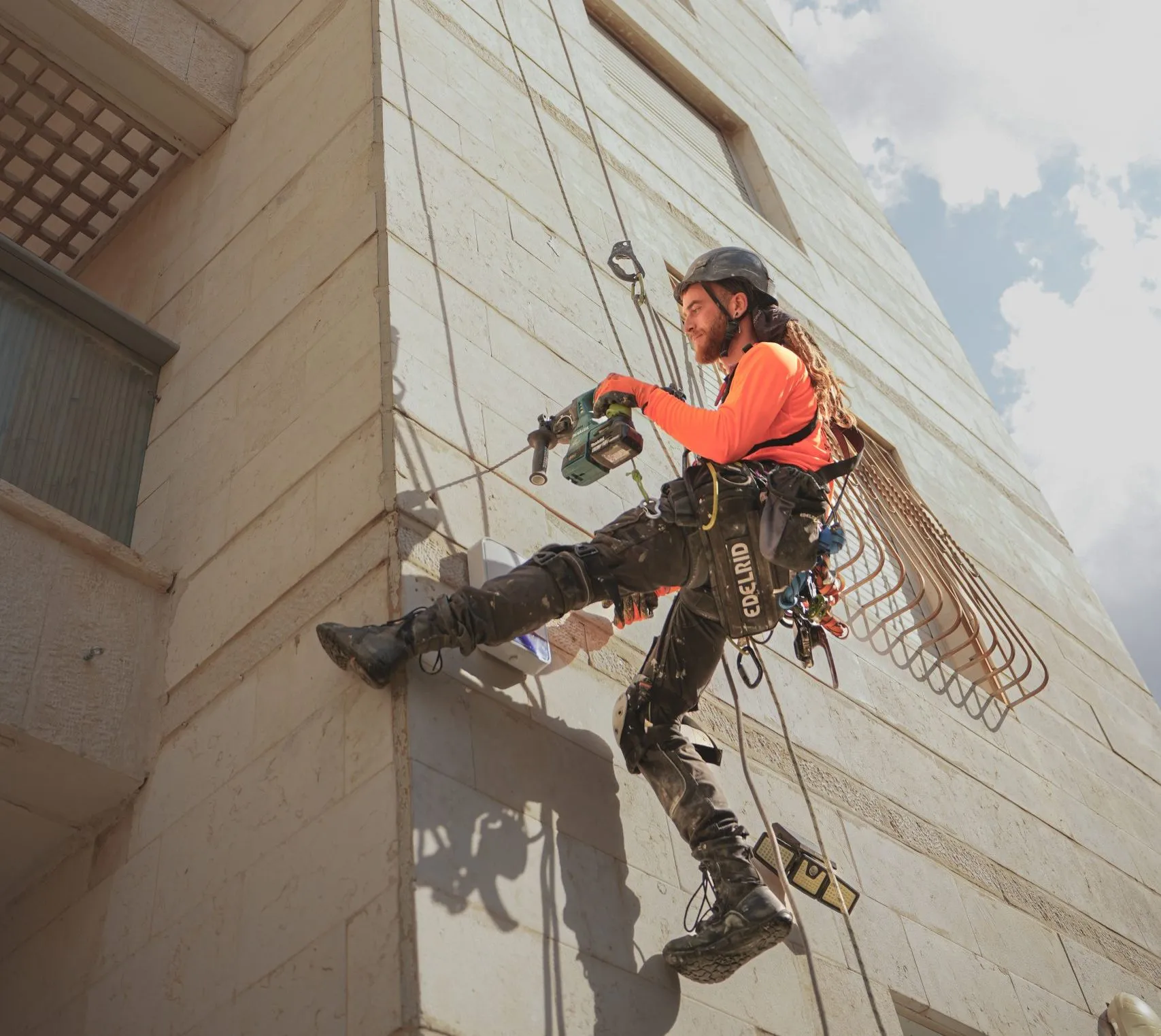
Read the article Annual Building Maintenance
A professional checklist for building committees: what to check every year on the envelope of a tall building, how to plan the budget and when to call a rope access company. A guide from Top Gova.
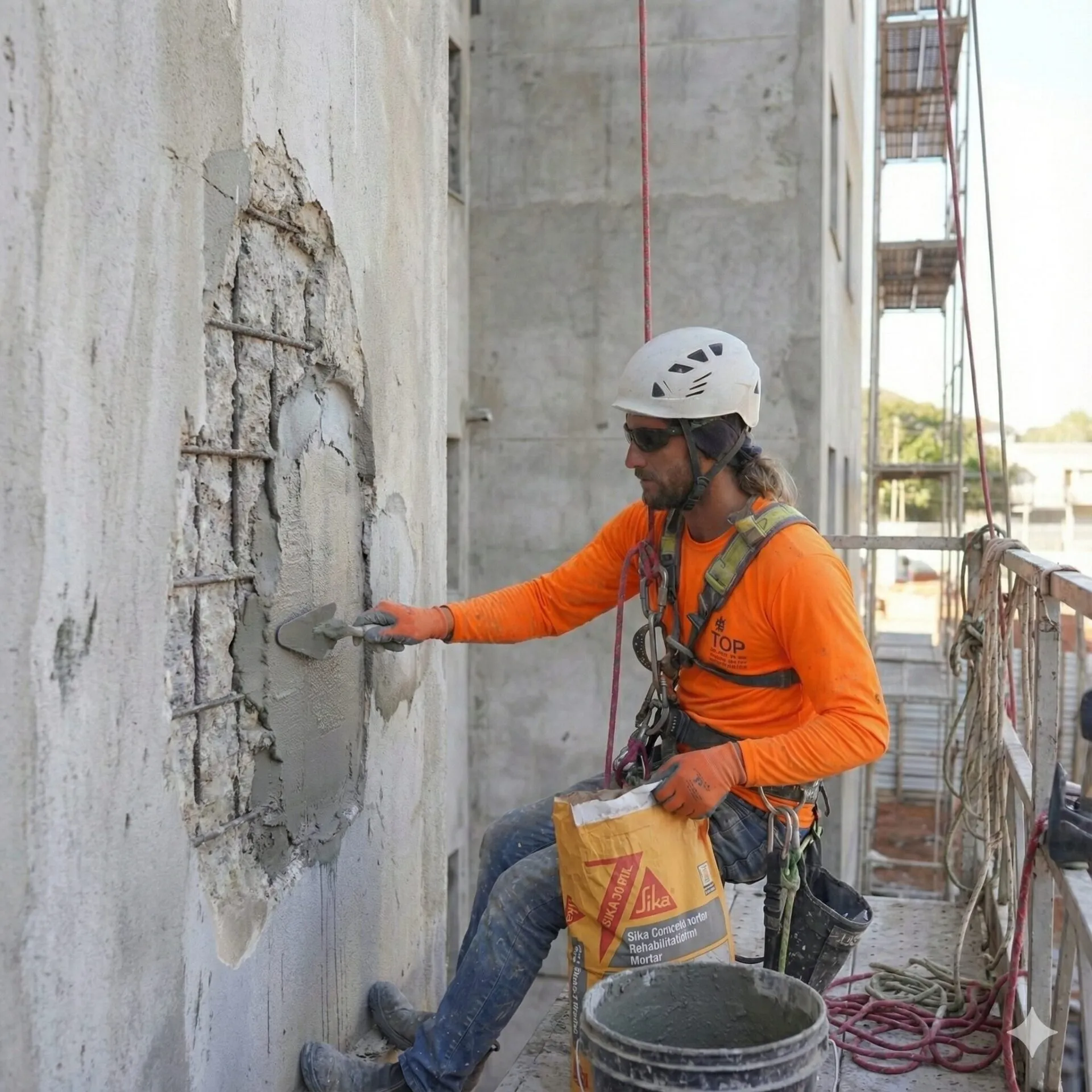
Read the article Parapet Wall Waterproofing
The parapet wall is the number one cause of damp on the top floor. Learn how to waterproof it properly with rope access and prevent damage to penthouse apartments.
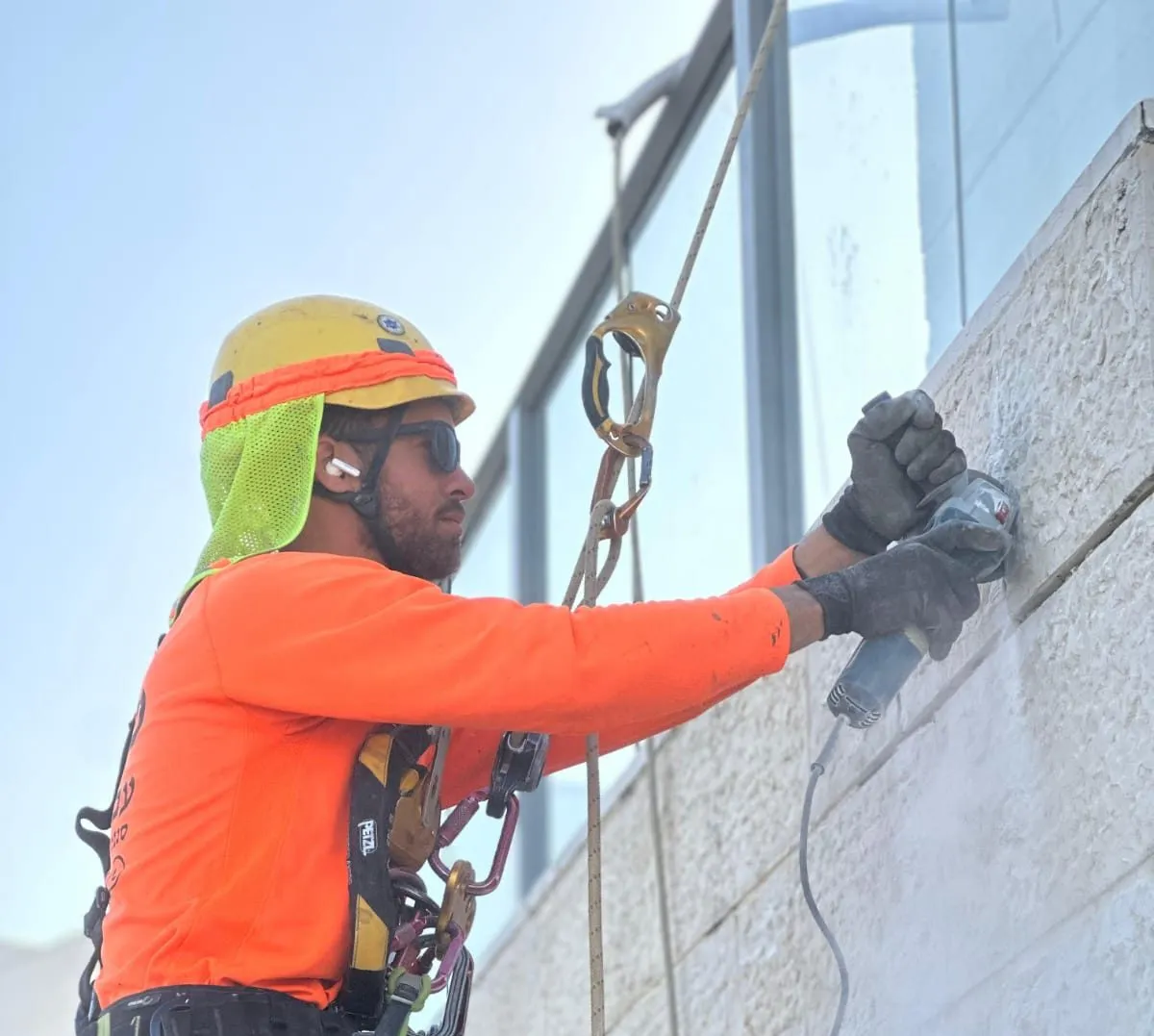
Read the article Efflorescence on Walls
Efflorescence on facades and exterior walls: the cause, how it differs from damp, and professional treatment at height. Get advice from Top Gova.