Restoring Buildings After Weather Damage
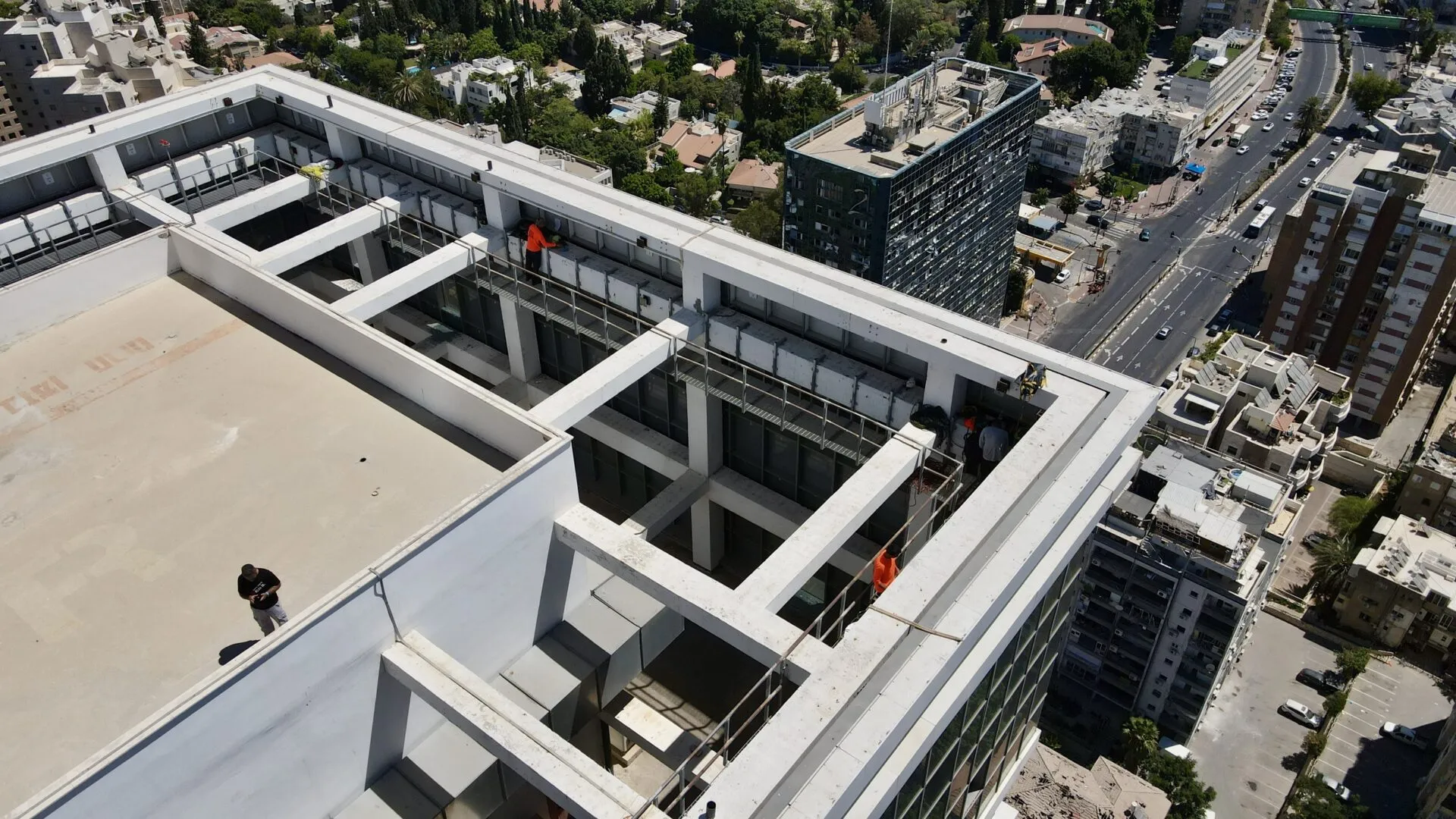
Restoring buildings after weather damage: smart protection for your property
In Israel, the weather can cause significant damage to buildings: heavy rain, strong winds, hail, extreme heat and sudden changes in temperature. All of these wear down the building envelope and cause cracks, water penetration, rust and the weakening of structural elements. Restoring buildings after weather damage is an essential process that ensures the stability of the structure, preserves its value and prevents safety risks.
What are the common kinds of weather damage?
Weather damage sometimes looks merely superficial, but beneath the surface it can harm the depth of the structure. Common kinds of damage include:
- Cracks in facades and exterior walls: caused by changes in temperature and the contraction of materials.
- Water and moisture penetration: because of faulty waterproofing or cracks in roofs and facades.
- Crumbling concrete and rusting reinforcing steel: mainly in areas near the sea or with high humidity.
- Damage to paint and exterior cladding: strong sun and wind cause fading and peeling.
- Damage to electrical systems and outdoor lighting: as a result of water penetration and prolonged damp.
How are buildings restored after weather damage?
Properly restoring buildings after weather damage requires thorough field work and careful planning.
- Locating damage and checking the stability of the structure: a critical stage carried out by experts using scans and dedicated equipment.
- Concrete restoration: removing crumbling parts, treating the exposed steel and refilling with durable repair materials.
- Waterproofing roofs and facades: using quality waterproofing materials that prevent water penetration in the future.
- Painting and restoring the exterior appearance: repainting with acrylic or silicone materials designed for high resistance to sun and damp.
- Replacing damaged wall cladding or windows: depending on the extent of the damage.
The role of work at height in the restoration process
In most cases, weather damage affects the parts of a building that are hard to reach: high facades, roofs, chimneys or exterior elements. This is where rope access work at height comes into play:
- It gives full access to every area of the building, even at great height.
- It saves the need to erect complicated scaffolding.
- It allows fast and safe execution of repairs, waterproofing and painting.
- It reduces costs and prevents delays in the process.
The importance of safety and regulations
Restoration work at height after storms and rain requires strict adherence to safety rules. Every worker must be certified for work at height and equipped with harnesses, helmets and personal protective equipment. In addition, the company carrying out the work must hold valid insurance and comply with the regulations of the Ministry of Labor and Social Affairs.
When should routine inspections be carried out?
It is recommended to carry out periodic inspections once a year, especially after a stormy winter. An early inspection can prevent heavy damage and save thousands of shekels in restoration. Companies specializing in work at height also carry out facade inspections, spot waterproofing and preventive maintenance.
Thank you! We received your request and will get back to you soon.
More articles you may find interesting
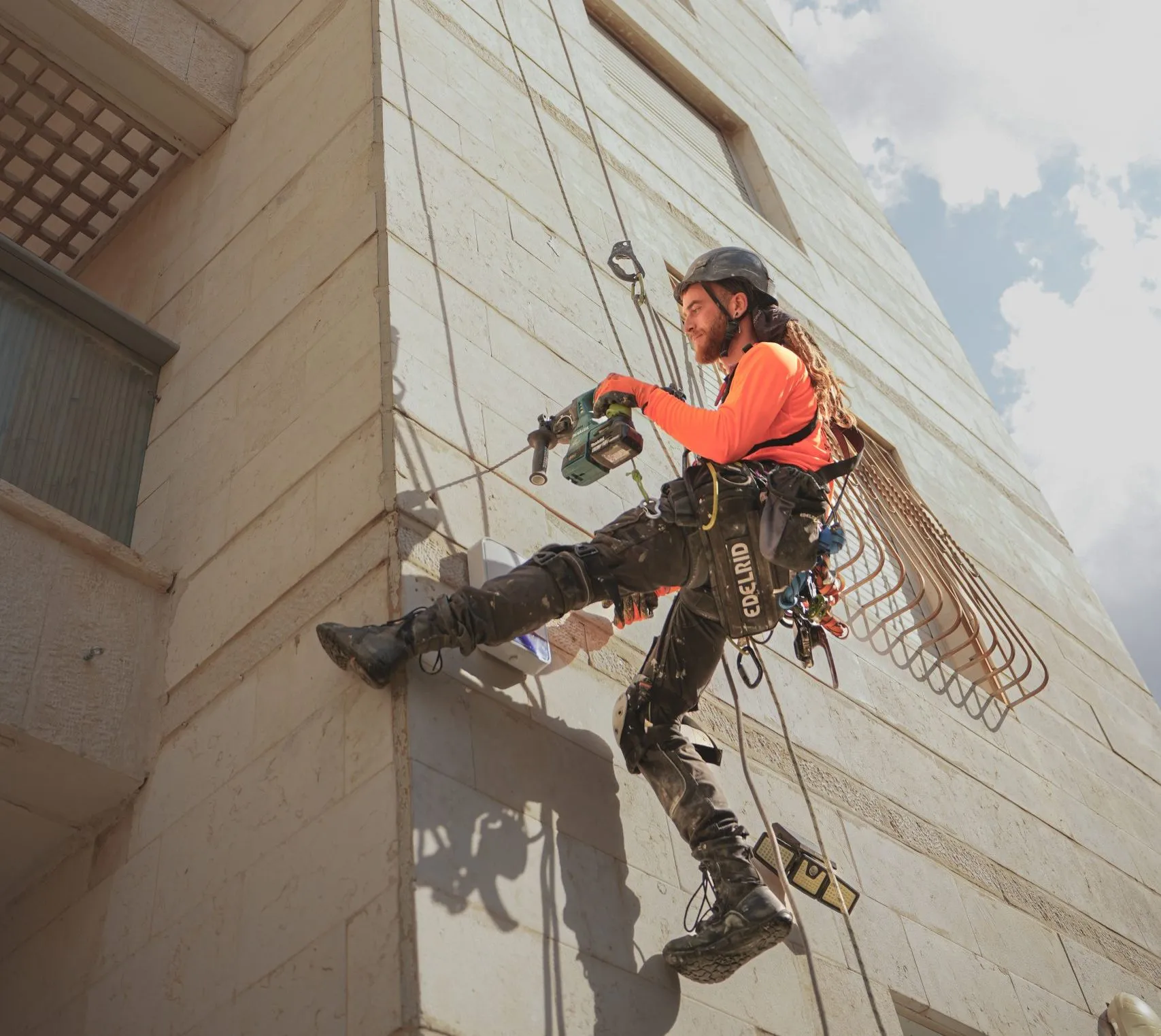
Read the article Annual Building Maintenance
A professional checklist for building committees: what to check every year on the envelope of a tall building, how to plan the budget and when to call a rope access company. A guide from Top Gova.
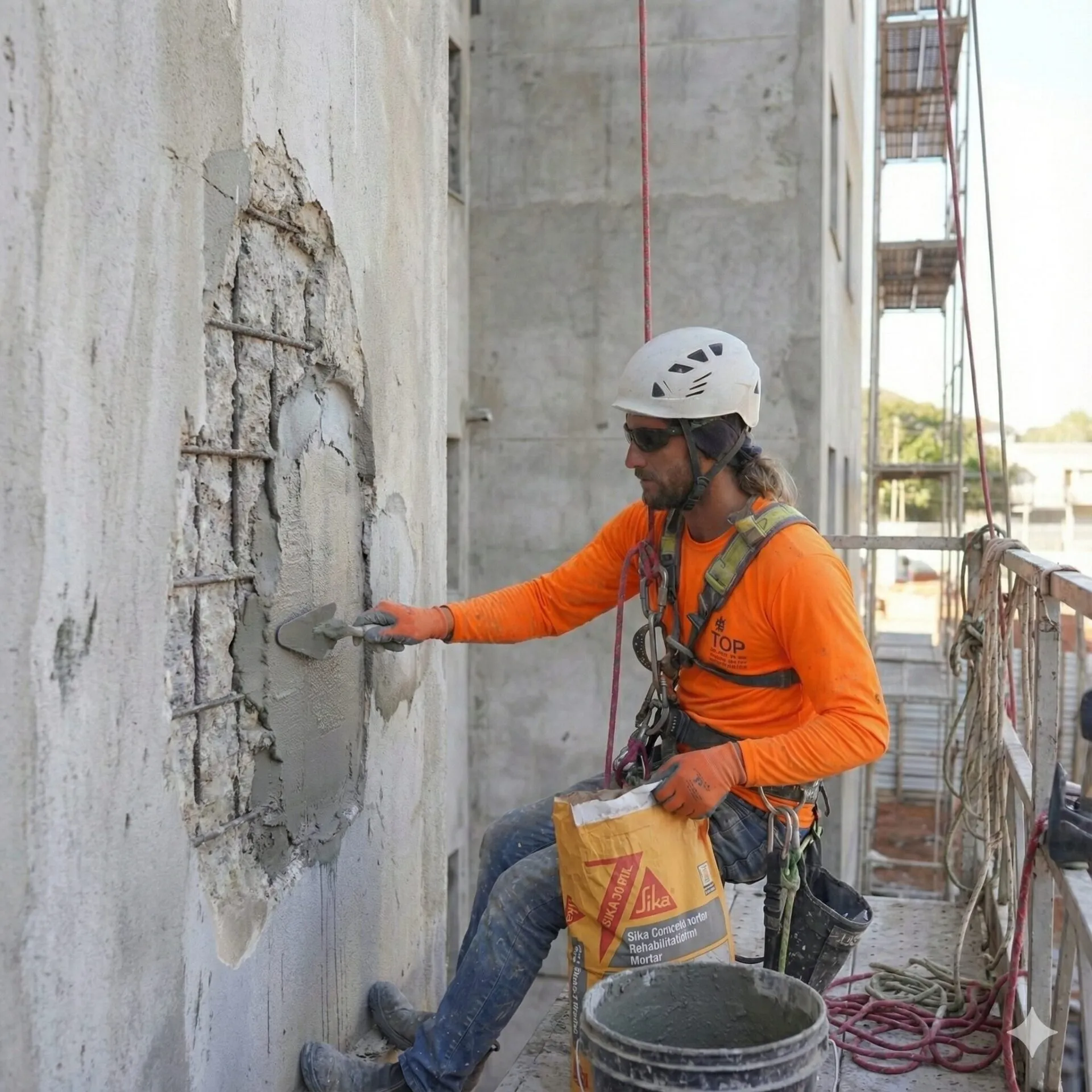
Read the article Parapet Wall Waterproofing
The parapet wall is the number one cause of damp on the top floor. Learn how to waterproof it properly with rope access and prevent damage to penthouse apartments.
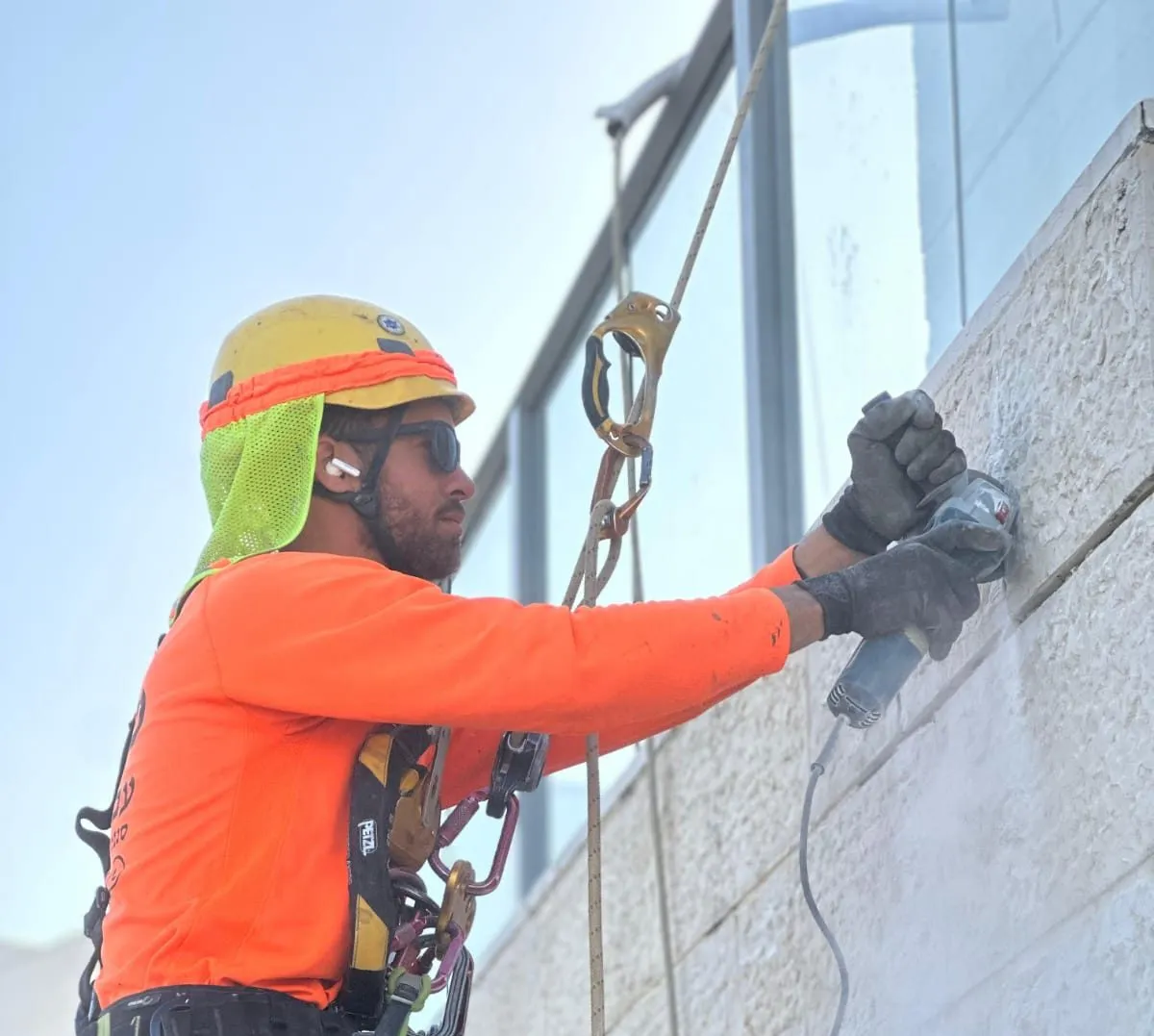
Read the article Efflorescence on Walls
Efflorescence on facades and exterior walls: the cause, how it differs from damp, and professional treatment at height. Get advice from Top Gova.