Restoring Old Buildings at Height
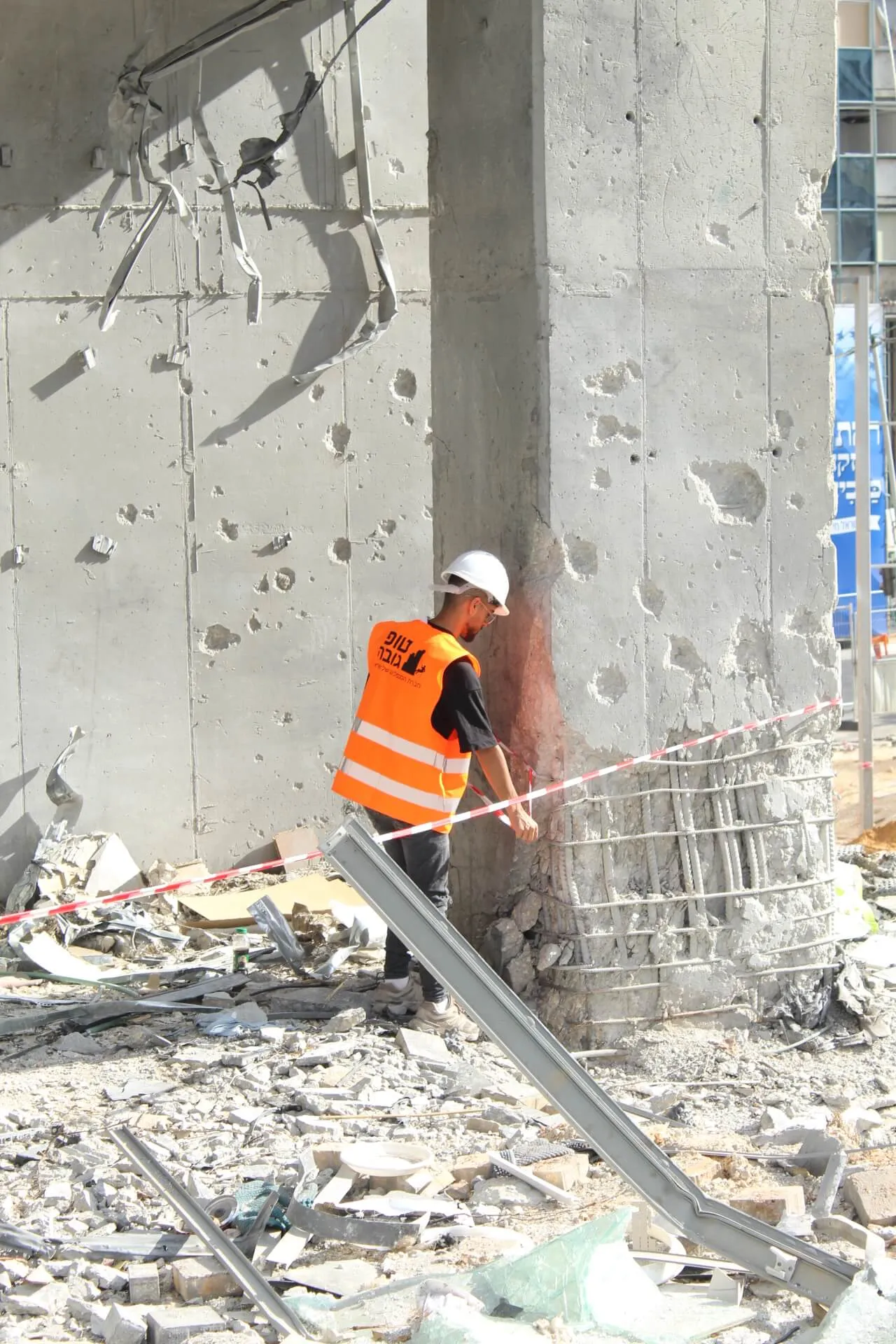
Restoring old buildings at height: combining safety, preservation and aesthetics
There are thousands of buildings in Israel that were built decades ago, some in old exposed-concrete construction and some in stone or simple plaster. Over time, exposure to the weather, structural changes and moisture cause cracks, crumbling, leaks and even a safety hazard. Restoring old buildings at height is not just an aesthetic action: it is a safety and engineering responsibility whose purpose is to give the building back its stability and proper appearance, while preserving the character of the building and meeting modern standards.
Why is it important to restore old buildings?
Facade wear is a natural process: concrete loses its strength, the steel inside it rusts, and the exterior walls weaken. When it is not treated in time, crumbling concrete or parts falling from the facade may occur, a real danger to residents and passers-by in the street.
Beyond that, old buildings usually also suffer from faulty waterproofing, water and wind penetration, and an exterior appearance that lowers the value of the property. Proper restoration at height makes it possible to restore structural strength, waterproof the walls and renew the building’s exterior appearance.
What does restoring old buildings at height include?
The restoration process varies from building to building, but it usually includes the following stages:
- A thorough engineering inspection: locating weak spots, cracks and crumbling concrete.
- Concrete and steel restoration: removing loose parts, treating the reinforcing bars and refilling with durable repair materials.
- Facade waterproofing: local or full treatment of water penetration spots.
- Strengthening anchors and loose parts: re-anchoring balconies, sills and dangerous elements.
- Painting and exterior restoration: renewing facades with paints resistant to UV radiation, moisture and salinity.
- Preserving architectural buildings: restoration that carefully keeps the original appearance of buildings designated for preservation.
The advantages of restoring buildings at height with rope access
Restoring old buildings is usually carried out at height, especially when it comes to older residential buildings or dense urban buildings. The most efficient method today is rope access restoration, thanks to its many advantages:
- Full access to every point of the building, even in areas that are hard to reach.
- Saving time and money: there is no need to erect expensive scaffolding or block streets.
- Precise work: focused treatment of damaged areas only.
- Minimum disturbance to residents: the work is carried out only outside the building.
Safety aspects and compliance with regulations
Work at height for restoration at height requires full compliance with safety standards. All workers must be certified for work at height, use harnesses and personal protective equipment, and work according to the instructions of the Ministry of Labor and Social Affairs. In addition, it is important to make sure that the company carrying out the work holds the appropriate insurance and that the materials used are approved under the Israeli standard.
Maintenance after the restoration
After the restoration work is finished, it is advisable to carry out preventive maintenance once a year: checking for new cracks, renewing waterproofing and local painting as needed. Ongoing maintenance preserves the results of the work for years and prevents the facades from deteriorating again.
Thank you! We received your request and will get back to you soon.
More articles you may find interesting

Read the article Annual Building Maintenance
A professional checklist for building committees: what to check every year on the envelope of a tall building, how to plan the budget and when to call a rope access company. A guide from Top Gova.
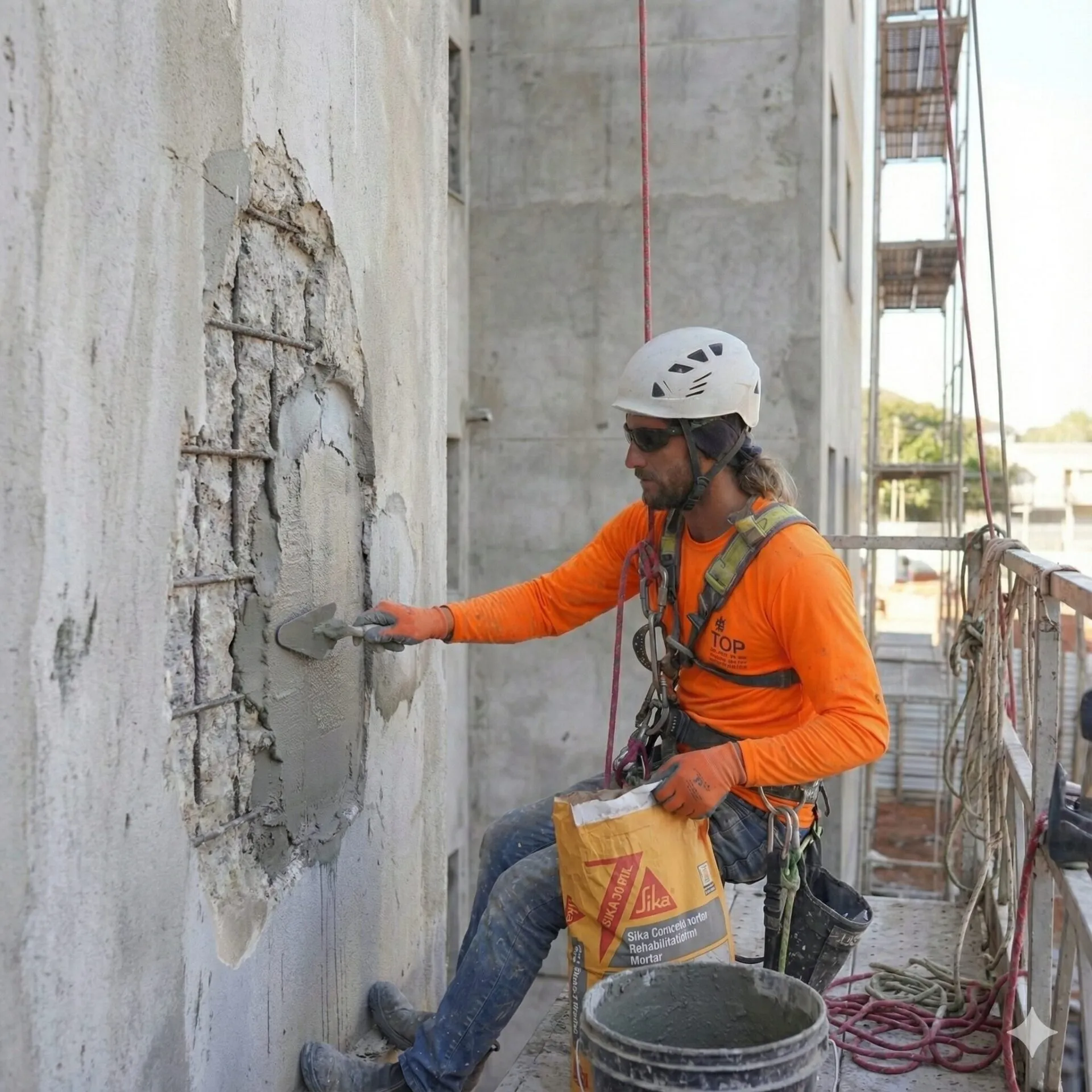
Read the article Parapet Wall Waterproofing
The parapet wall is the number one cause of damp on the top floor. Learn how to waterproof it properly with rope access and prevent damage to penthouse apartments.
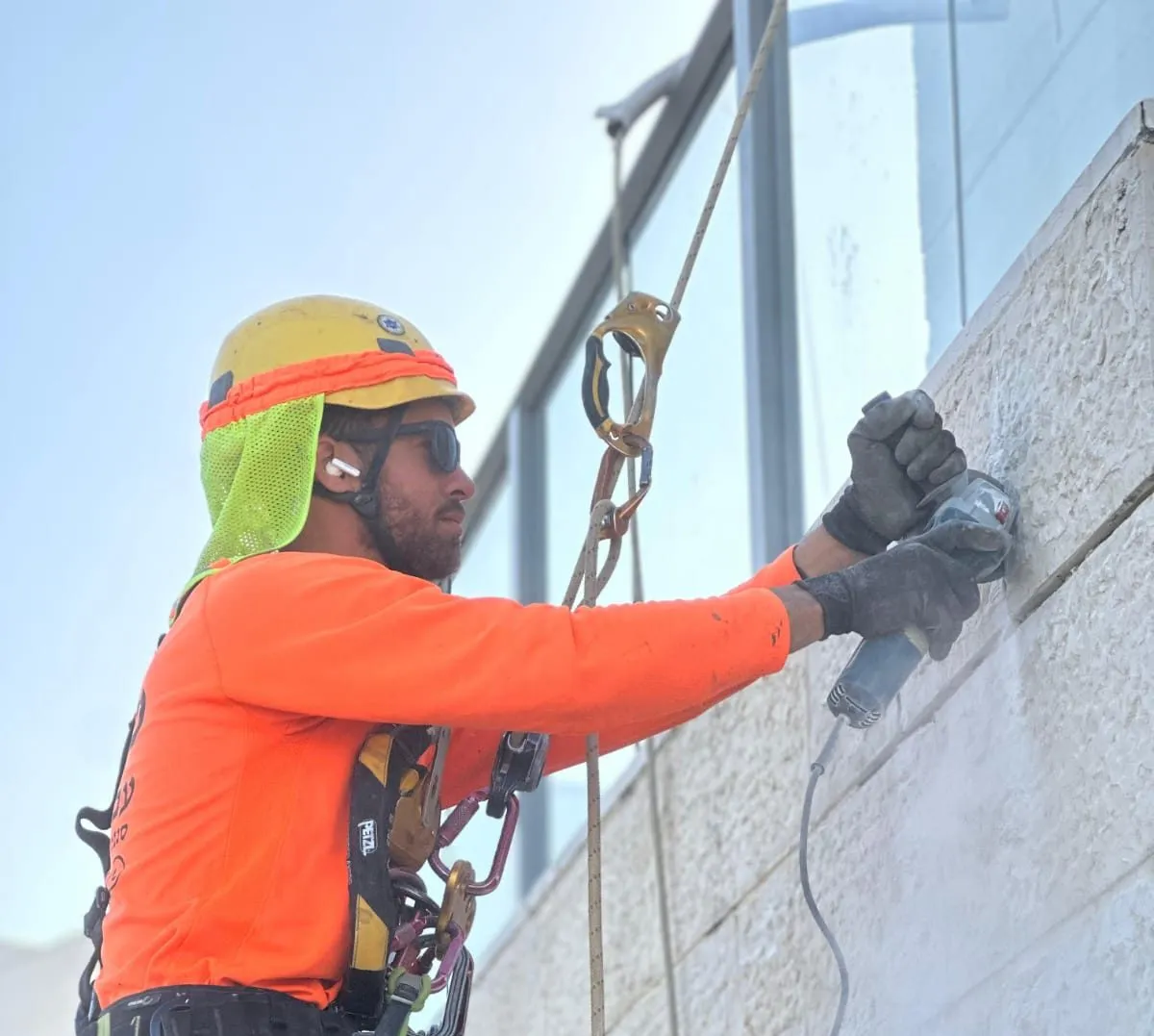
Read the article Efflorescence on Walls
Efflorescence on facades and exterior walls: the cause, how it differs from damp, and professional treatment at height. Get advice from Top Gova.