What Is the Difference Between Regular Rope Access and Traverse Work?
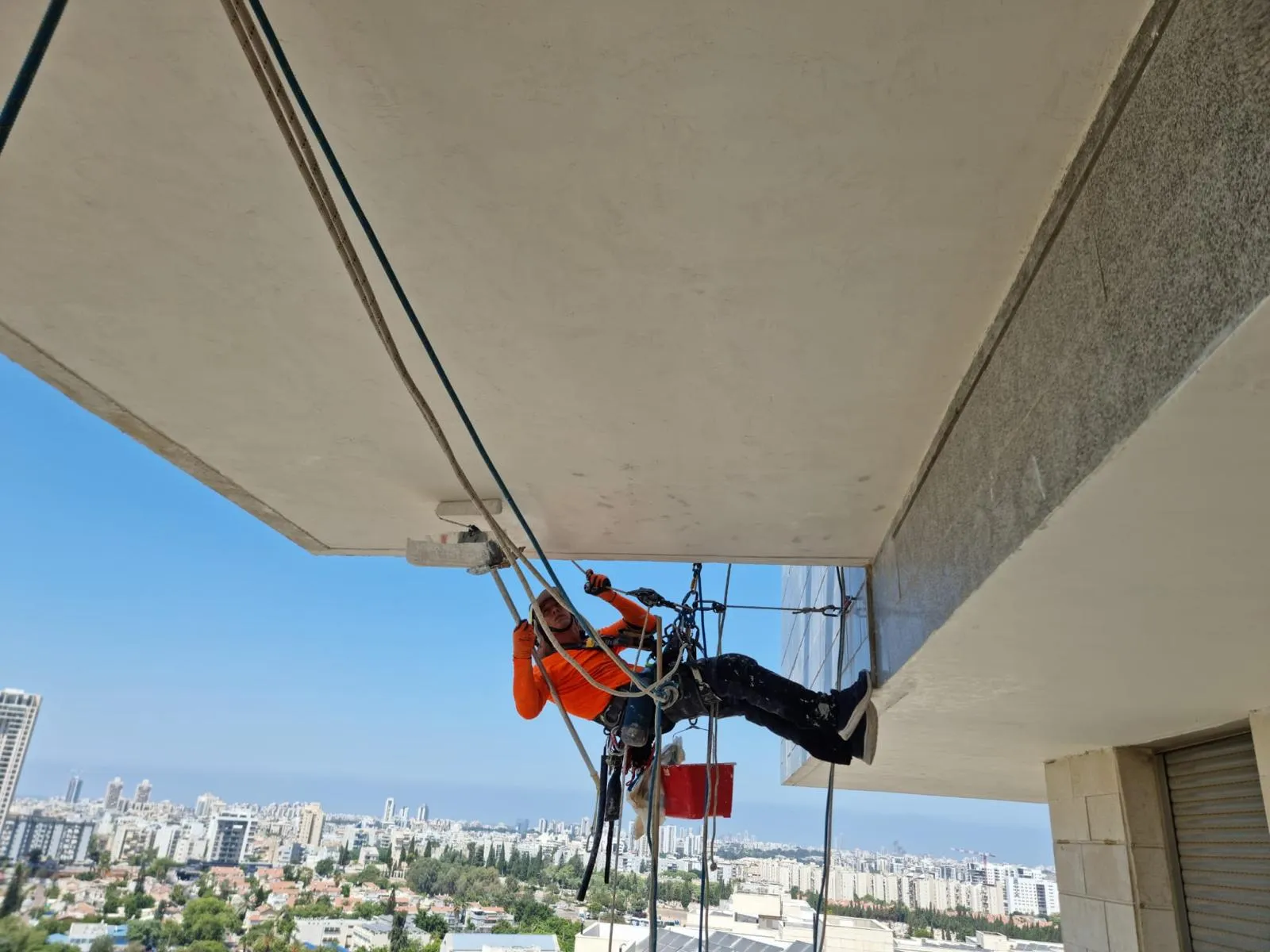
The difference between a regular descent and the traverse method in professional rope access
1. A regular descent: direct anchoring from the roof
In a regular descent, the worker is connected directly to a fixed anchor located on the roof or on another stable point at the top of the building. The ropes hang vertically, and the worker descends straight down.
Advantages:
•Simple and quick to carry out.
•Requires less special equipment.
•Allows direct movement without the need to change anchors.
Disadvantages:
•Does not allow access to points located under projections, ledges or in complex places.
•Completely dependent on existing anchor points.
2. The traverse method: working on temporary bolts
With traverses, instead of descending straight down, a horizontal system of anchors is created on the walls using temporary bolts (special anchors fixed directly to the wall). The worker advances horizontally or at an angle, and is not necessarily suspended directly from the roof.
Advantages:
•Allows access to work points that are impossible with a regular descent, including projections, leaning walls (a negative angle) and complex structures.
•Provides full flexibility on site, since it does not depend on fixed anchor points.
•Allows a better distribution of loads along the structure.
Disadvantages:
•Requires drilling and installing hundreds to thousands of bolts, which calls for precision, experience and careful planning.
•Requires a high level of command of advanced rope access techniques.
•The work is slower than a regular descent, since additional actions of fixing, connecting and re-anchoring are needed.
The complexity of the traverse method
Engineering planning: every anchor must be planned so that it holds the required loads, according to the structure of the wall and the materials being drilled into.
Complicated rope layout: the rope routes must be planned so that they do not interfere with other workers, and so that they allow convenient and safe access to all the work points.
Working at negative angles: in cases where the wall leans outward (a projection), the worker cannot rest against the wall as would happen in a regular descent; they are actually hanging in the air, which requires complete command of the working techniques.
Managing safety nets: because of the complexity of the work and the fact that the cutting and dismantling are sometimes carried out directly above occupied areas, debris nets must be deployed on a very large scale.
Why Top Gova?
Not every team can carry out advanced rope access work using traverses. It requires a high level of skill, extensive experience and meticulous planning. At Top Gova we specialize in working in impossible places, while maintaining maximum safety and meeting the highest standards in the industry.
In complex projects there is no room for mistakes. Top Gova is the address.
Thank you! We received your request and will get back to you soon.
More articles you may find interesting
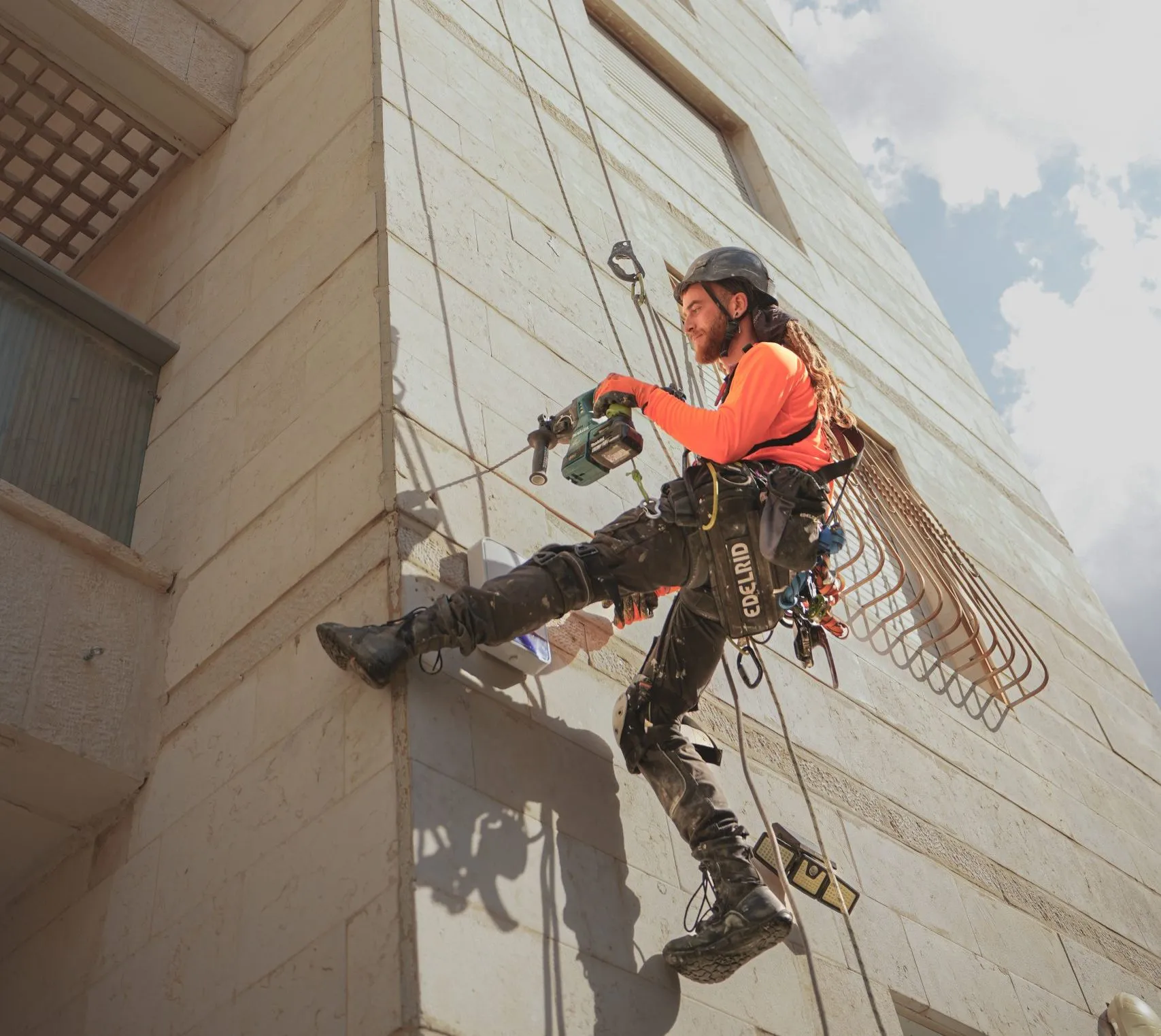
Read the article Annual Building Maintenance
A professional checklist for building committees: what to check every year on the envelope of a tall building, how to plan the budget and when to call a rope access company. A guide from Top Gova.
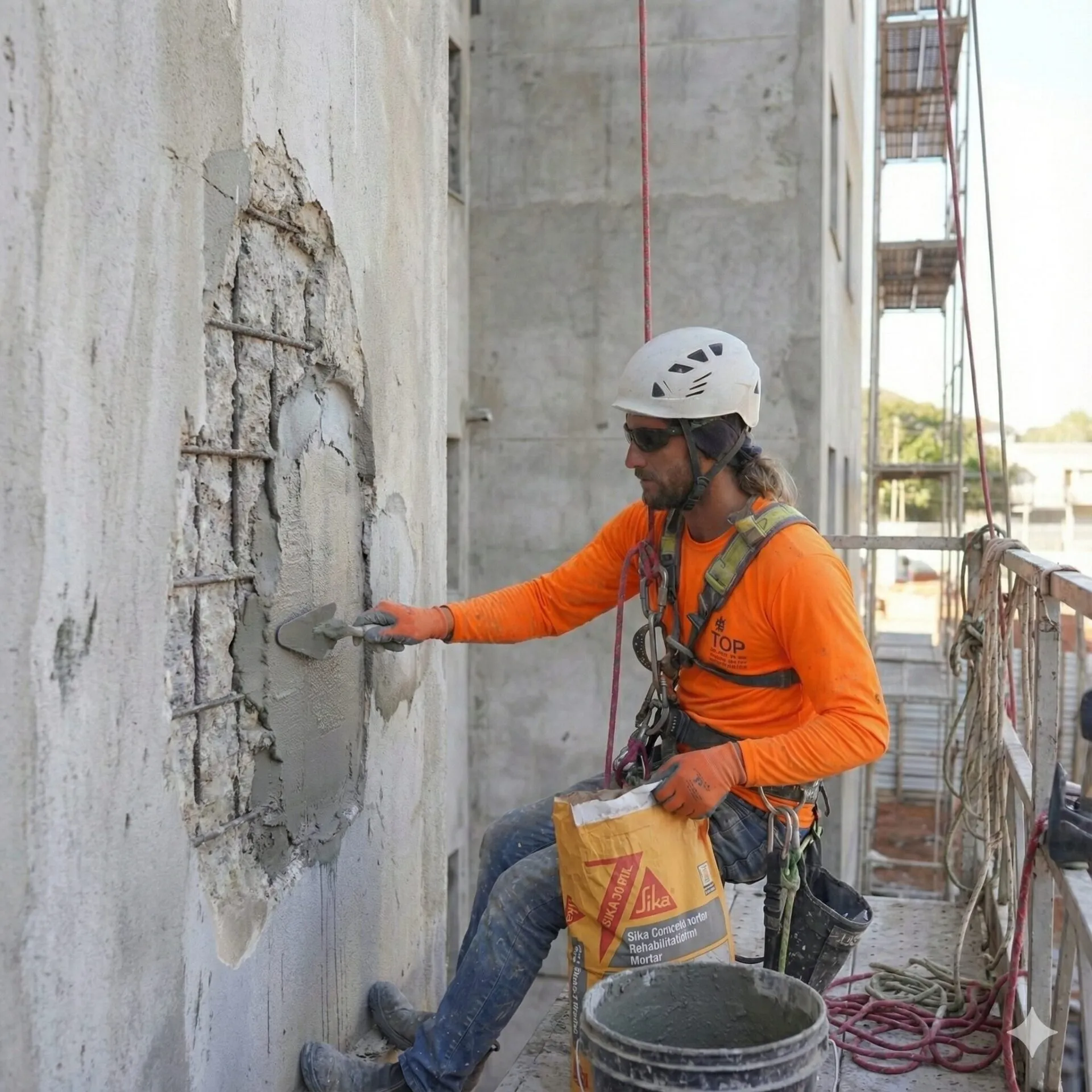
Read the article Parapet Wall Waterproofing
The parapet wall is the number one cause of damp on the top floor. Learn how to waterproof it properly with rope access and prevent damage to penthouse apartments.
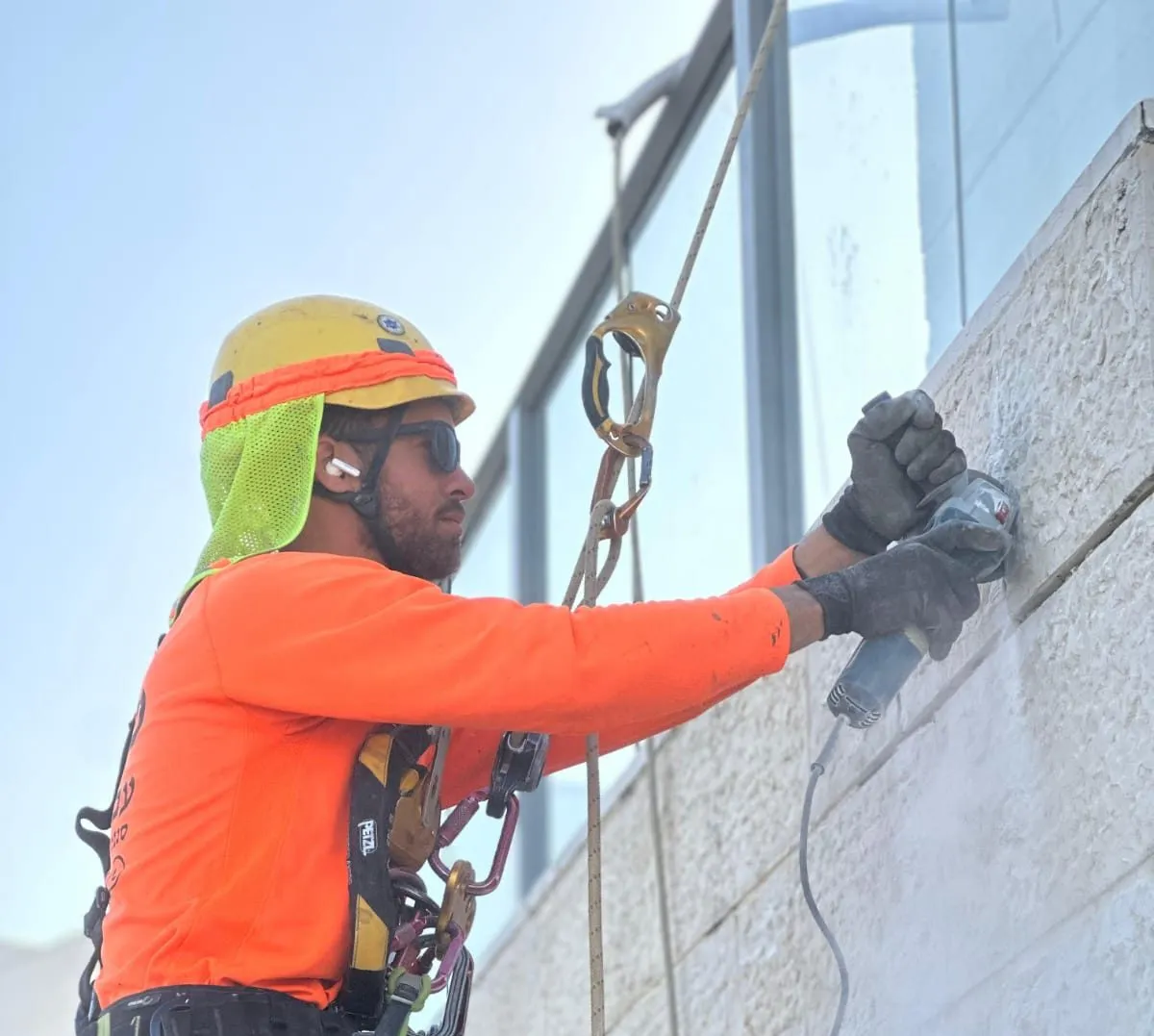
Read the article Efflorescence on Walls
Efflorescence on facades and exterior walls: the cause, how it differs from damp, and professional treatment at height. Get advice from Top Gova.