Rope Access Wall Waterproofing
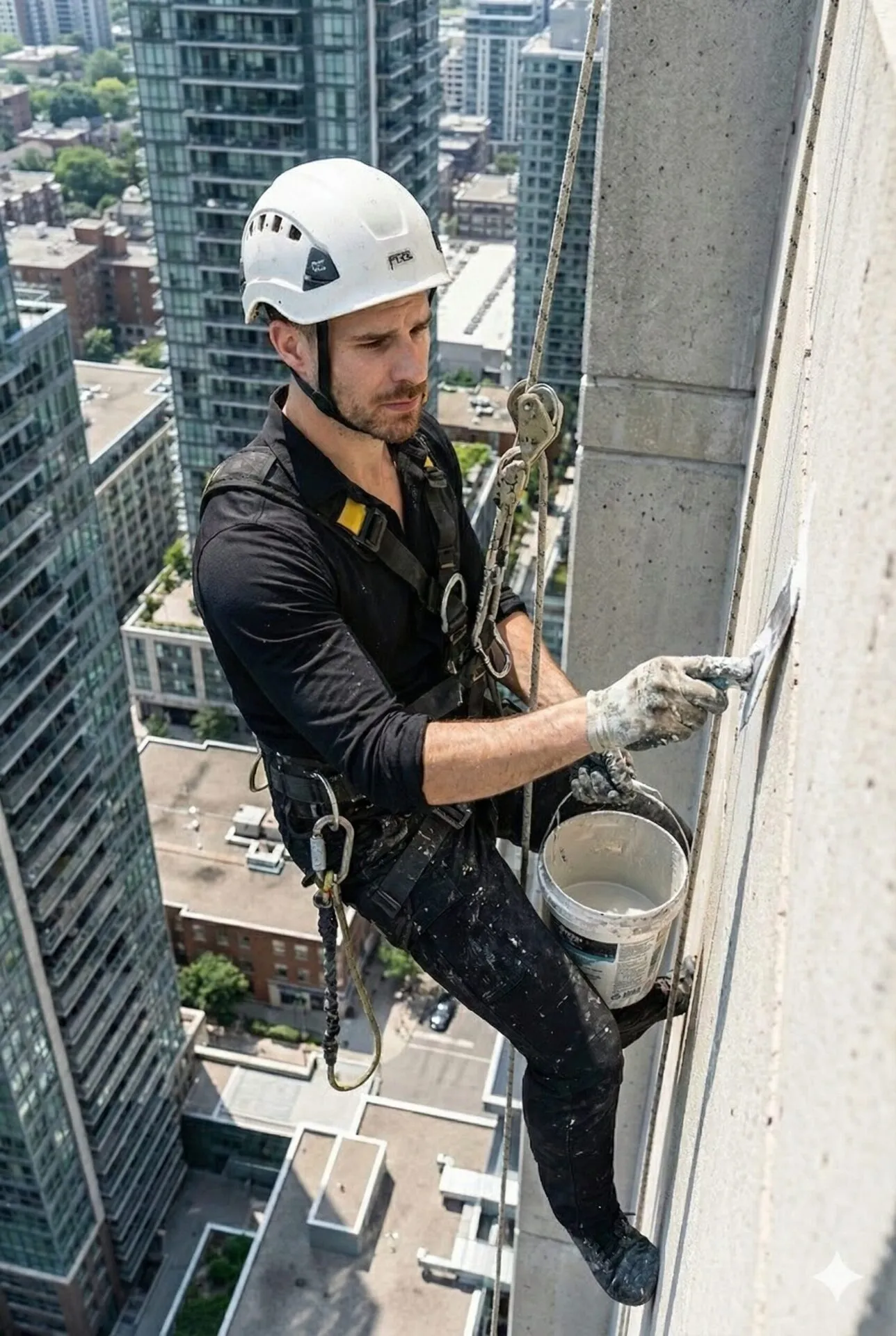
Rope access wall waterproofing: the efficient, economical solution for a dry winter
Every building committee knows this scenario: winter is approaching, or perhaps the first rain has already arrived, and one of the residents on the top floor or a middle floor complains of damp in the north wall. The first dilemma raised at the committee meeting is not only “which waterproofing material to buy” but mainly “how do we get there?”. In the past, the automatic answer was to erect scaffolding. But today, as the technology and skills have developed, rope access wall waterproofing has become the gold standard in building maintenance. At Top Gova we carry out projects like these every day, and we see how choosing rope access saves residents precious time, a great deal of money and a lot of headaches.
If you are considering waterproofing the building envelope ahead of winter, here are all the reasons why rope access is the right method, and what a truly professional work process includes.
Why rope access? The economic and logistical advantages
Before we dive into the technique and the materials, it is important to understand why the rope access method (abseiling down the building envelope) has beaten scaffolding in most cases of exterior wall waterproofing.
- Dramatic cost savings: erecting scaffolding is an expensive business. You have to pay for transport, erection, daily rental and dismantling. In rope access wall waterproofing projects, these costs simply disappear. You pay only for the work and the materials. There is no “dead time” of assembly.
- Full access to every point: buildings in Israel are not always straight cubes. There are laundry screens, niches, architectural projections and corners that are very hard to reach with upright scaffolding. A professional rope-access technician can position himself exactly in front of the problematic crack, at any height and at any angle, and carry out the waterproofing hermetically.
- Speed of response: when water is getting into an apartment, every day is critical. Obtaining permits and erecting scaffolding takes time. A Top Gova rope access team can arrive, rig the ropes and start working the same morning. This is a huge advantage in winter, when there are short “windows of opportunity” of sunny days between rain systems.
- Minimum disruption: nobody likes living inside a construction site. Scaffolding blocks light, air and sometimes the entrance to the parking lot. Rope access is “minimally invasive surgery”. The ropes come down from the roof, the work is done in relative quiet, and at the end of the day the equipment is packed away and the building returns to normal.
How do you know the building needs exterior waterproofing?
Residents often think the problem is in the internal plumbing, but the source is entirely external. There are several clear signs that your building envelope has lost its waterproofing capacity:
- Mold on the interior walls: mainly in the corners of the ceiling or on exterior walls (north or west facing). The mold is the result of a wall that has absorbed water and is passing the moisture inward.
- Swelling paint and plaster: bubbles in the exterior or interior paint show water trying to “get out” and pushing the coating.
- Cracks in the cladding: cracks in the plaster, in the stone or in the joints between the tiles are a highway for water.
- Damp stains that spread in the rain: if the stain grows when it rains and dries slowly afterward, the problem is certainly in the exterior waterproofing.
Top Gova’s professional work process
It is important to stress that rope access wall waterproofing is not just “spreading material”. For the waterproofing to last for years (and not just one winter), thorough preparation is needed. This is how we do it:
Stage A: cleaning and preparing the substrate This is the most important stage. Exterior walls accumulate a great deal of soot, dust and grease from urban pollution. If waterproofing material is spread on a dirty wall, it will simply peel off within a short time. We carry out high-pressure water washing (pressure washer) to remove all dirt and loose pieces of plaster. Only a clean, stable wall is ready to receive waterproofing.
Stage B: treating the cracks (joints) Before the general waterproofing, the weak points must be treated. Our rope-access technicians go over the wall and locate cracks. The cracks are opened slightly so they can be cleaned in depth, and filled with a flexible polyurethane material (such as “Sikaflex”). Flexibility is critical: the building always “moves” slightly with changes in temperature, and the material must move with it without tearing.
Stage C: applying a base coat (primer) As when painting a house, here too a bonding material is needed to connect the old wall to the new waterproofing material. The primer ensures maximum adhesion and long-term durability.
Stage D: the main waterproofing Here we apply the chosen waterproofing system (according to the type of cladding: render, stone or concrete). Usually this means spraying or spreading especially high-quality materials, with high resistance to UV radiation and harsh outdoor conditions. At Top Gova we do not compromise on cheap materials and work only with leading brands that meet the standard.
Safety above all
When it comes to work at height, there is no room for “cowboys”. Rope access wall waterproofing requires a high level of skill and strict adherence to safety procedures. Every member of the Top Gova team is a certified rope-access technician, holding valid certificates and undergoing periodic safety refresher training.
Beyond the safety of the workers, we take care of the safety of residents and passers-by. The area below the work is marked and cordoned off to prevent people passing during the work, and we arrange full insurance (third-party and employer’s liability) to remove any worry from the minds of the building committee members.
A solution suited to every type of cladding
Not every waterproofing material suits every wall. A mistake in choosing the material can cause ugly stains on cladding stones or a failure of the waterproofing.
- For roughcast or render walls: we usually use flexible paints or high-build coating systems that bridge cracks.
- For stone or marble walls: here the challenge is to preserve the natural look of the stone. We usually use transparent materials (sealers) that soak into the stone and repel water, or carry out targeted waterproofing of the joints (the grooves between the stones) with sealing grout or polyurethane mastic.
- For exposed concrete walls: we use materials that also protect against corrosion of the internal steel.
In summary: keeping the home dry
Rope access wall waterproofing is the smartest, fastest and most cost-effective way to keep your building dry and safe. It is not just a matter of comfort: water penetrating the wall causes cumulative damage to the building’s structure, rusts the steel and lowers the value of the property.
Do not wait for the next damp stain. At Top Gova we offer you peace of mind with advanced waterproofing solutions, professional teams and a warranty on the work. Our team is ready to give you a fast, professional response, so you can get through the winter warm and without worries.
Thank you! We received your request and will get back to you soon.
More articles you may find interesting
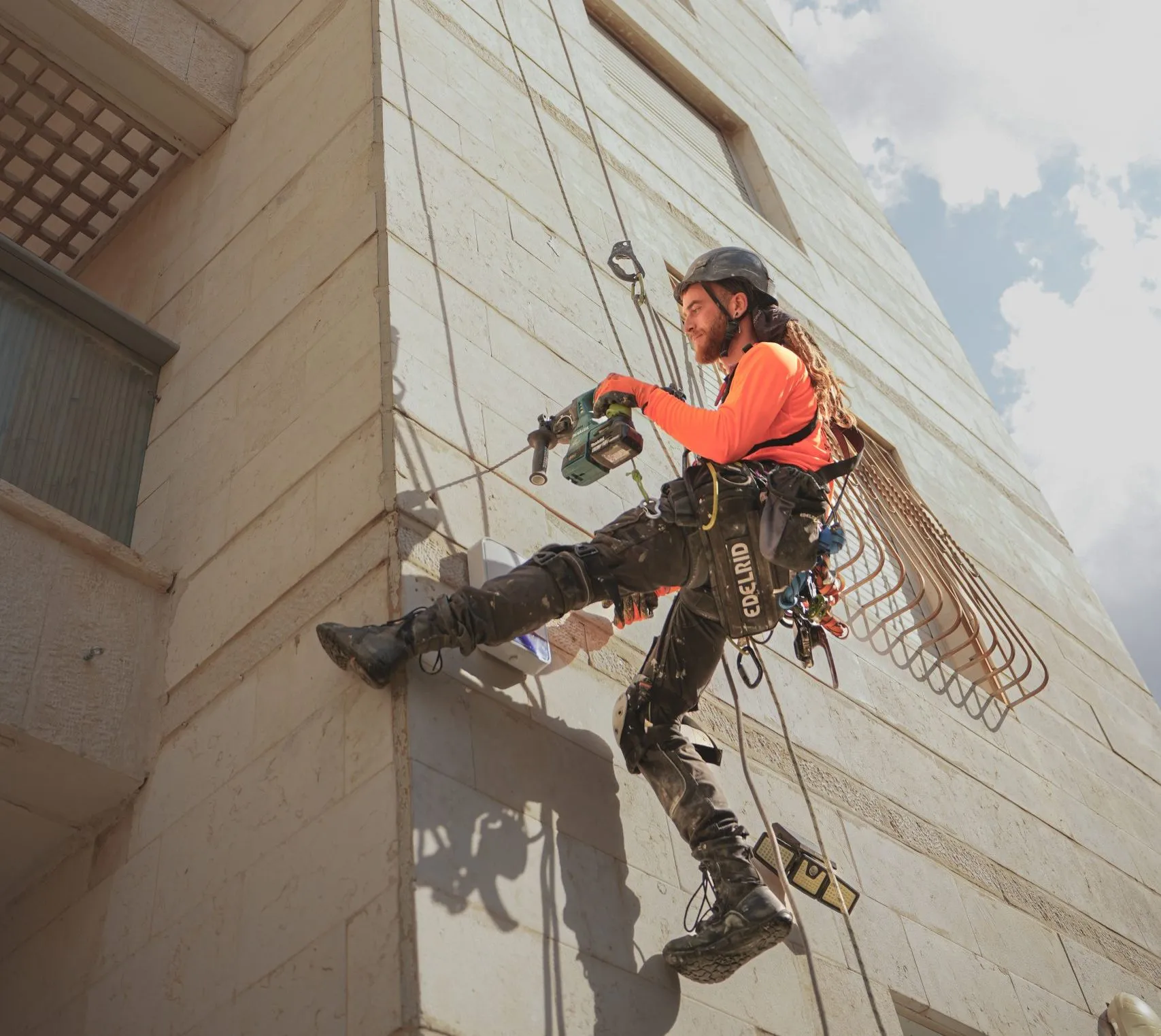
Read the article Annual Building Maintenance
A professional checklist for building committees: what to check every year on the envelope of a tall building, how to plan the budget and when to call a rope access company. A guide from Top Gova.
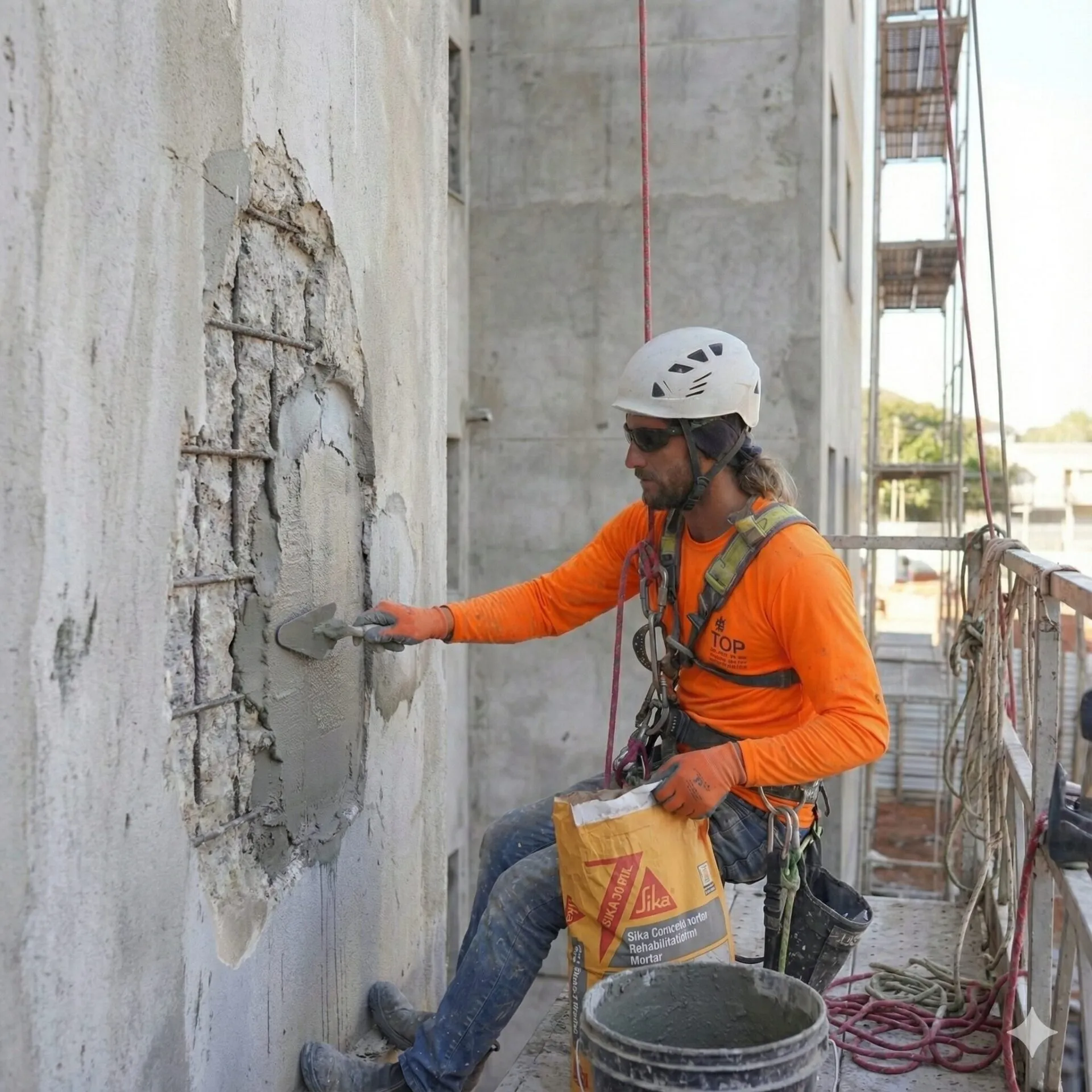
Read the article Parapet Wall Waterproofing
The parapet wall is the number one cause of damp on the top floor. Learn how to waterproof it properly with rope access and prevent damage to penthouse apartments.
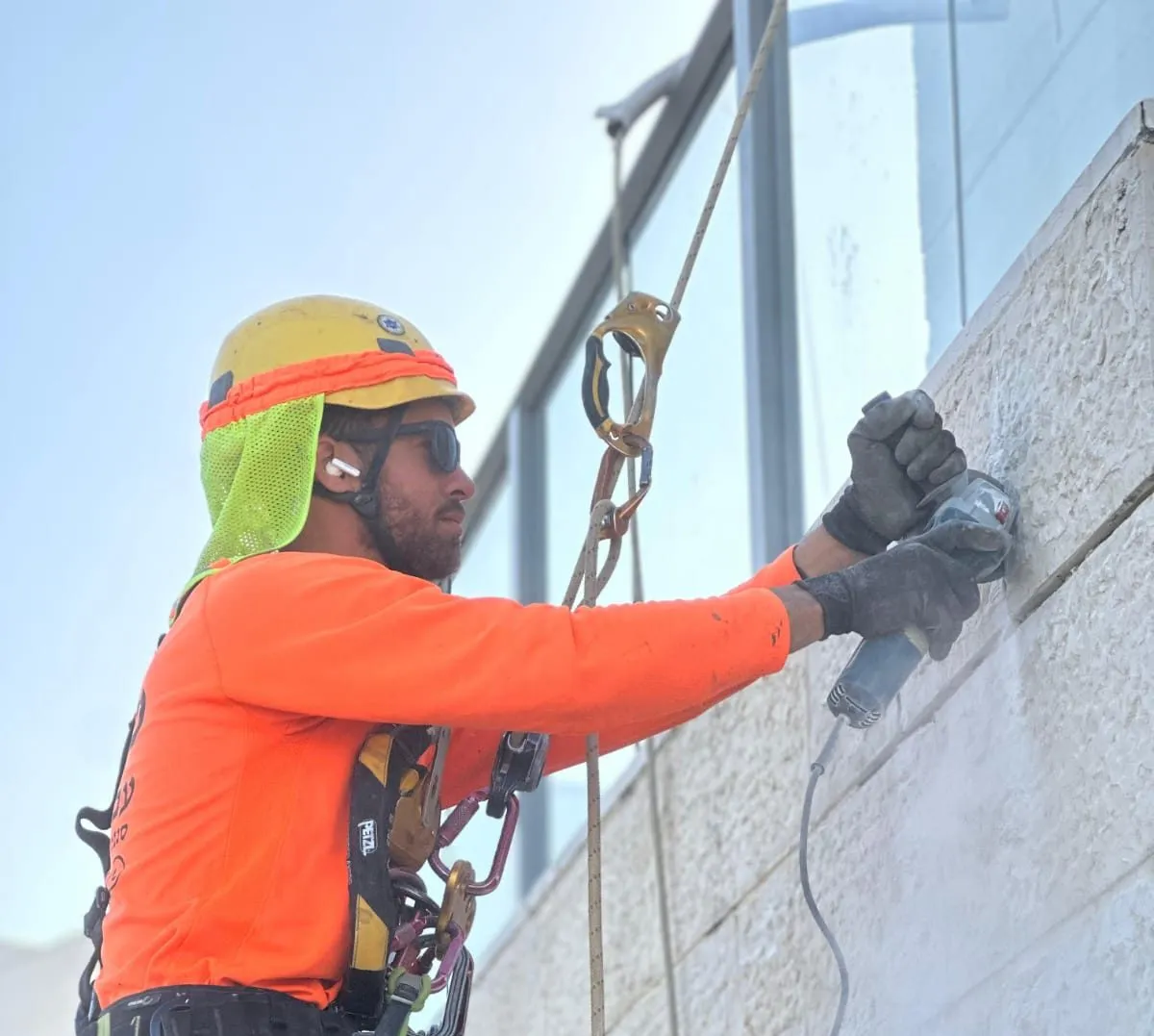
Read the article Efflorescence on Walls
Efflorescence on facades and exterior walls: the cause, how it differs from damp, and professional treatment at height. Get advice from Top Gova.