Polyurea, Polyurethane or Acrylic: A Professional Comparison of Waterproofing Materials for an Exterior Wall
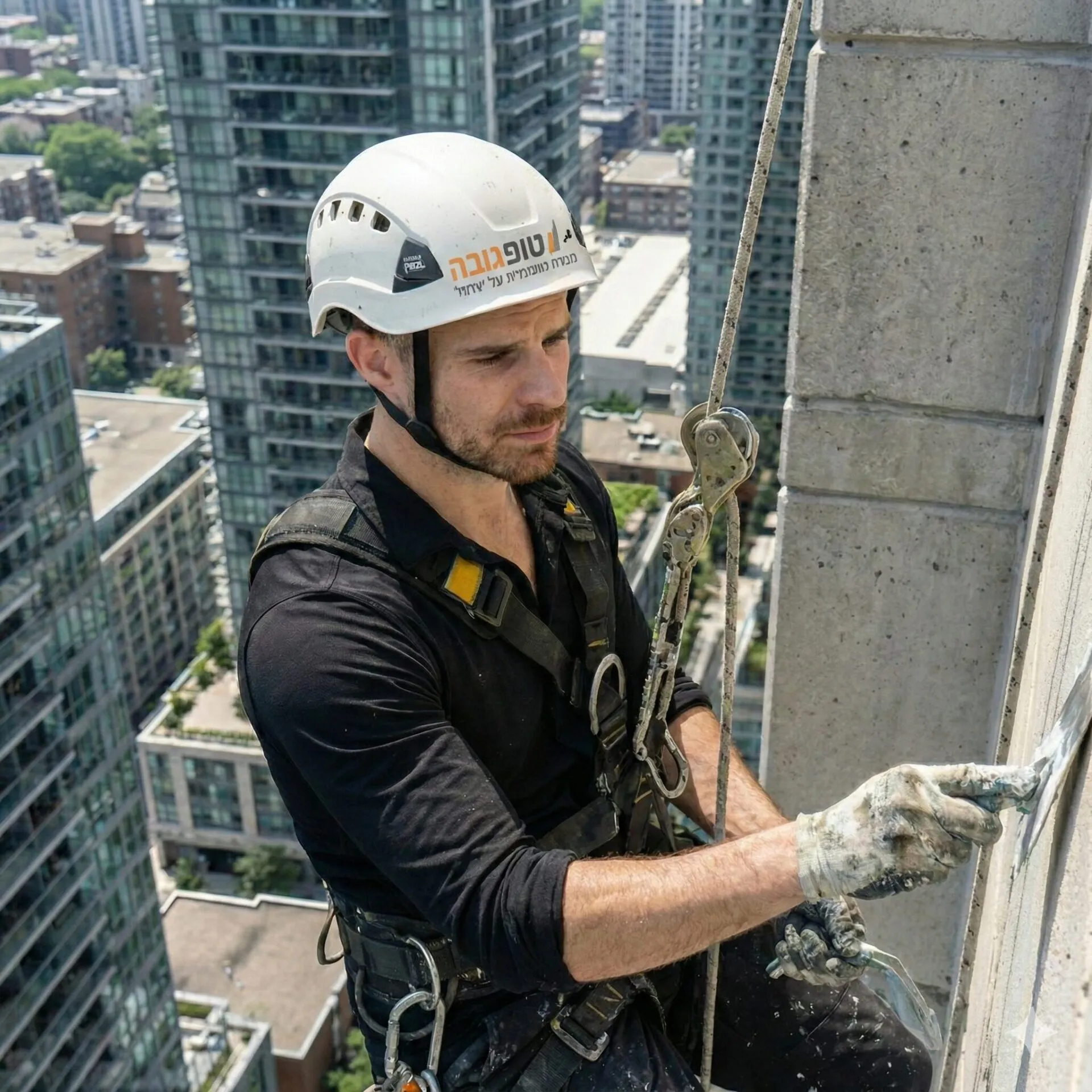
When you get a quote for waterproofing a facade, names of materials get thrown into the air. Polyurea. Polyurethane. Acrylic. Silicone. The difference between them is not semantic: it is hundreds of thousands of shekels in the difference in the lifespan of the waterproofing. In this article we break down the three common families, explain the advantage and disadvantage of each, and tell you when each one is really suitable.
Why choose a waterproofing material for the facade at all
A waterproofing material for an exterior facade has to cope with three enemies: temperature changes that cause contraction and expansion, UV radiation that breaks polymer chains, and structural movements that create cracks. Each material picks its “battles”: no material wins on all three fronts without compromise.
Acrylic: the basic, cheap solution
Water-based acrylic waterproofing materials are common as an elastomeric paint for filling fine cracks up to 2 mm. They are cheap, easy to apply, and reasonably UV resistant.
Advantages
- Low cost: suitable for projects with a limited budget.
- Easy application with a roller or brush, including multiple coats.
- A painted finish and a variety of colors.
Disadvantages
- Relatively low flexibility: not suitable for active cracks that move more than 10%.
- Limited resistance to standing water.
- An actual lifespan of 5 to 8 years on an exposed Israeli facade.
Polyurethane: a balance between flexibility, durability and price
Polyurethane waterproofing is the default choice of most rope access companies for serious waterproofing work. It comes in one component or two components, created by a reaction that cures into a strong elastomeric body.
Advantages
- Elongation of 400%-800%: excellent for active cracks and temperature differences.
- Excellent adhesion to concrete, blocks, tiles and even metal.
- Good resistance to water and prolonged moisture.
- Leading products such as Sikaflex-11 FC, Sika Hyflex or equivalent are available in every size.
Disadvantages
- Sensitive to UV on direct exposure: some products require a protective layer (top coat).
- A higher price than acrylic.
- Application requires defined temperature and humidity conditions: working in a cold winter or a humid summer calls for attention.
Polyurea: the advanced technology
Polyurea is a reactive polymer applied by spraying with a special machine. It creates a very strong continuous membrane, with a reaction time of seconds.
Advantages
- Elongation of up to 1000% and especially high tear strength.
- Cures within minutes: the area can be back in use almost immediately.
- Excellent chemical resistance.
- A seamless membrane, ideal for roofs, pools and water tanks.
Disadvantages
- A significantly higher price than the other two families.
- Requires professional application equipment and a certified operator: not suitable for “do it yourself” or for contractors without training.
- Less flexible for individual crack work: better suited to large areas.
Which material suits which job
For spot sealing of cracks in the exterior wall of an existing building, polyurethane is in most cases the right choice, since it balances price, flexibility and application with rope access. For projects on flat roofs, covered parking garages and pools, polyurea gives long-term value despite the cost. For general facade painting with filling of surface cracks, elastomeric acrylic is enough.
Comprehensive background on the families of materials and their chemistry can be read in
the Wikipedia entry on polyurethane, which explains the differences on the basis of molecular structure.
A question for your contractor
Before signing, ask what the elongation of the proposed material is, which primer coat will be used and which protective layer will be applied on top. A professional contractor will know how to answer at once. For details on the work specifications of rope access waterproofing and on matching a material to the type of your project, it is worth consulting before ordering.
Thank you! We received your request and will get back to you soon.
More articles you may find interesting
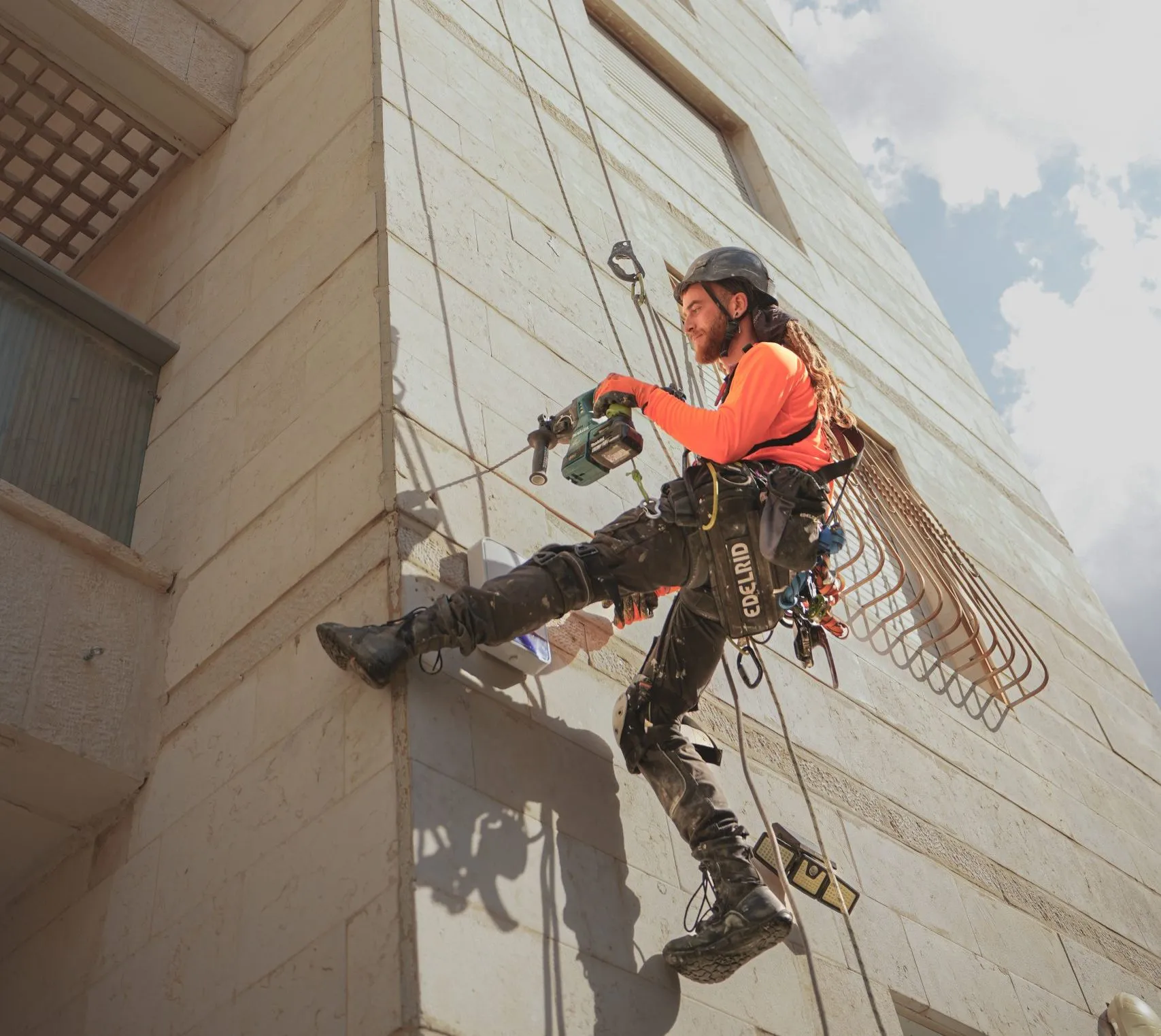
Read the article Annual Building Maintenance
A professional checklist for building committees: what to check every year on the envelope of a tall building, how to plan the budget and when to call a rope access company. A guide from Top Gova.
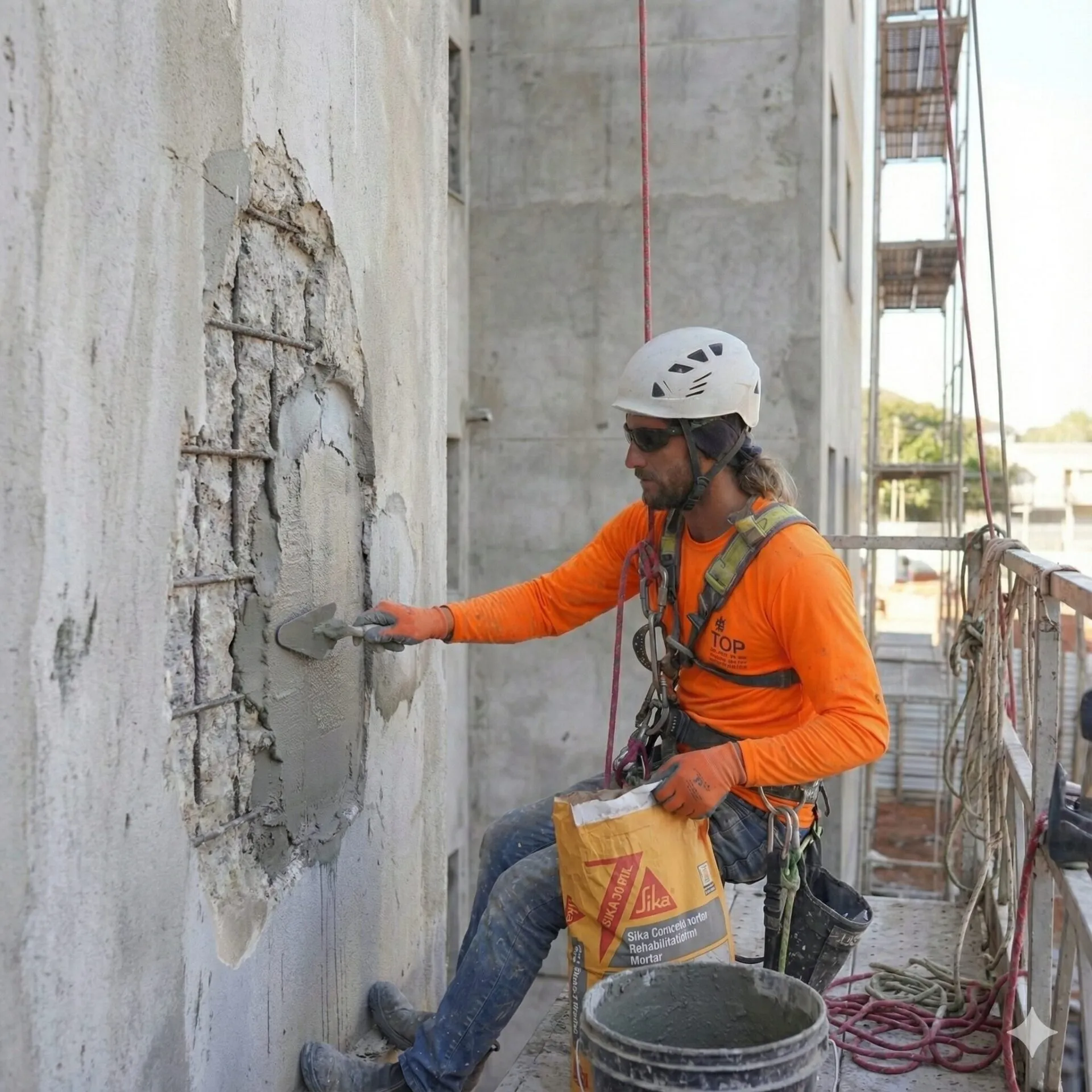
Read the article Parapet Wall Waterproofing
The parapet wall is the number one cause of damp on the top floor. Learn how to waterproof it properly with rope access and prevent damage to penthouse apartments.
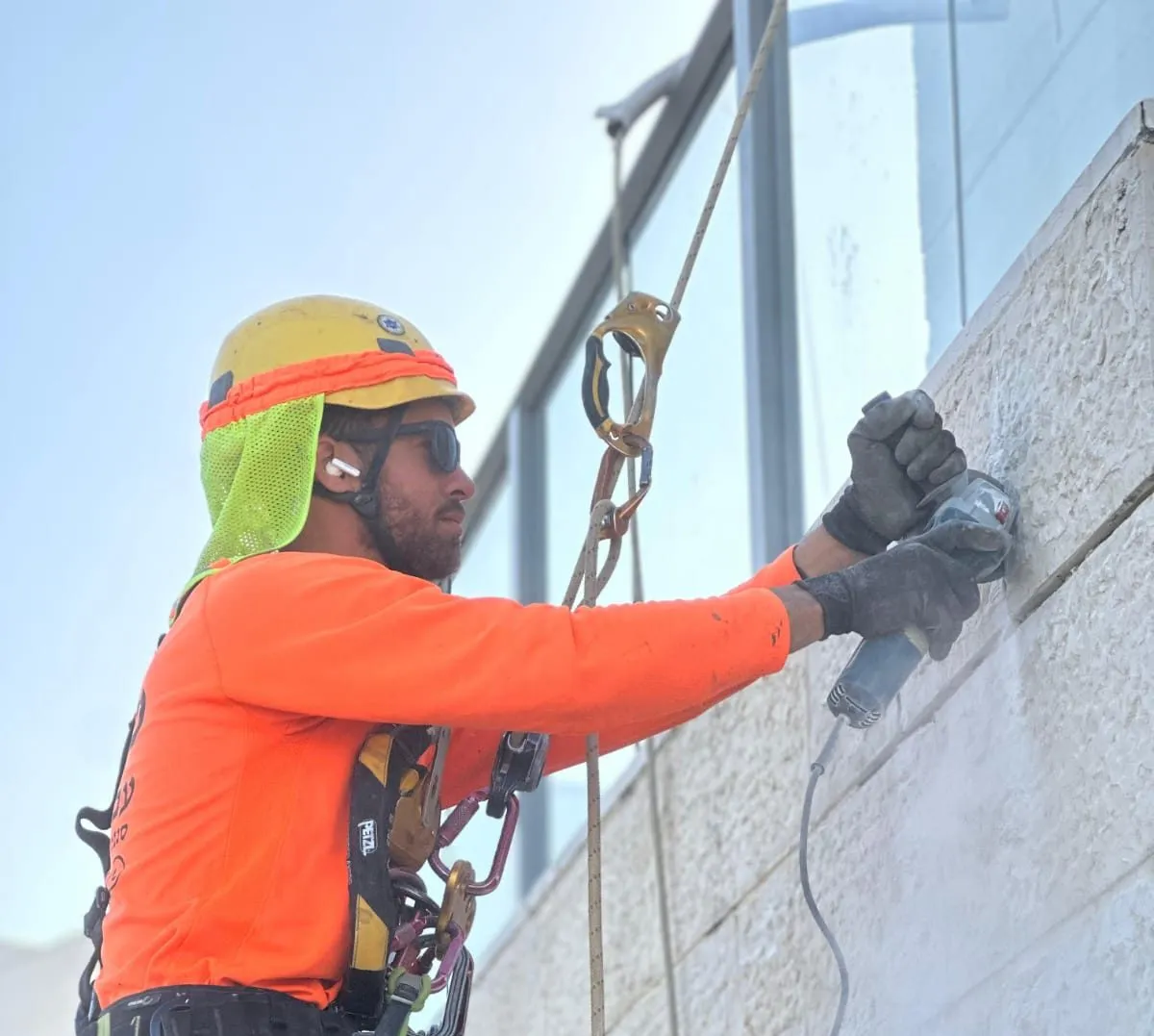
Read the article Efflorescence on Walls
Efflorescence on facades and exterior walls: the cause, how it differs from damp, and professional treatment at height. Get advice from Top Gova.