Treating Damp: The Complete Guide
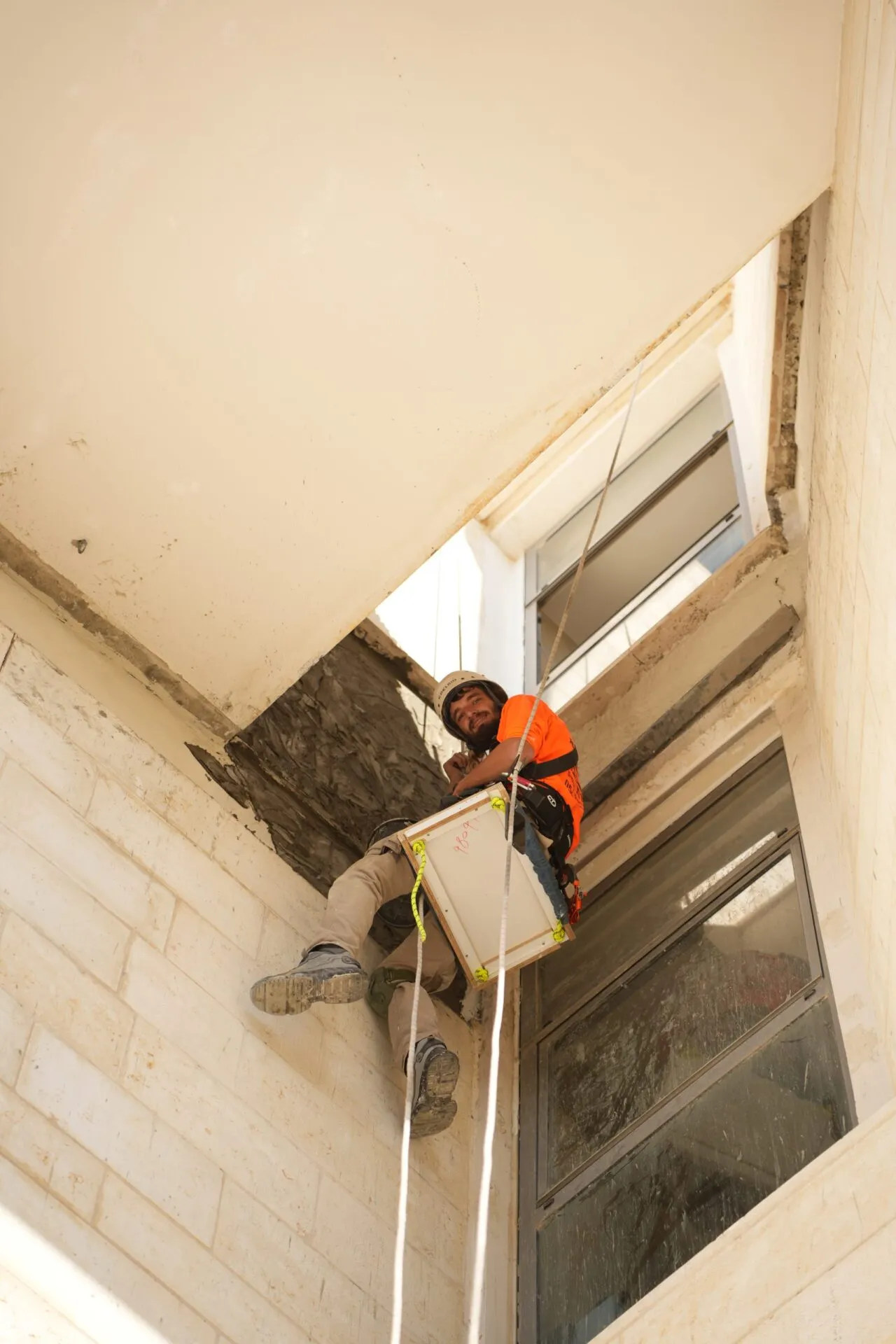
Treating a damp problem varies with the type of construction and the materials used. Each type of construction has its own unique advantages and challenges. We will review the different construction methods, the causes of damp, and the most suitable solutions for each method.
1. Conventional construction (concrete and blocks)
Conventional construction is one of the most common construction methods in Israel, using concrete and blocks as its main components. Damp in such a building can come from several sources: water penetrating through unsealed exterior walls, leaks from internal piping, or problems with the roof waterproofing.
Treating the damp problem:
- Waterproofing exterior walls: use high-quality waterproofing materials, such as polyurethane or silicone, which protect the building and prevent water penetration.
- Repairing cracks: cracks in walls let water in and reduce the stability of the building. The cracks should be repaired with advanced sealing materials, using water-insulating cement or plaster.
- Replacing old plaster: old plaster that damages the building or absorbs water will need to be replaced with new plaster that insulates against water and offers higher durability.
- Drainage systems: installing advanced drainage systems will help avoid water accumulating in the building, especially in areas such as roofs or balconies.
2. Precast construction
Precast construction consists of prefabricated elements (walls, ceilings, doors) that are made in a factory and assembled on site. One of the common failures in precast construction is the problem of the joints between the elements, which can lead to water penetration.
The failures that cause damp in precast construction:
- Unsealed joints: when the parts of the elements are not properly connected, there is a risk of water penetrating between the joints.
- Broken teeth: when the teeth between the elements break, this can create an opening through which water can penetrate.
- Elements that have shifted: when the elements move out of place, they create gaps through which water can penetrate.
Treating the damp problem:
- Exposing the joint and creating a fisher: the joint (the connection between the elements) should be exposed and a fisher created (an opening that directs the water to a set route). In this way the spread of water in the building can be prevented.
- Reinstalling the waterproofing: after repairing the joints and the broken teeth, professional waterproofing materials should be used to ensure that water cannot penetrate in the future.
- Using bridging materials: bridging between the elements with flexible, durable materials that will prevent cracks in the future and ensure the stability of the building.
3. Modular construction
Modular construction is a method in which buildings are assembled from prefabricated units put together on site. Damp problems in modular construction can be caused by problems with the sealing or by water penetrating between the modules.
Treating the damp problem:
- Sealing between the modules: use sealing materials such as flexible silicone or fiberglass fibers that connect the modules and prevent water penetration.
- Installing external drainage systems: adding drainage systems that help avoid water accumulation and thereby ensure the integrity of the building.
4. The Baranovich method
The Baranovich method is the most common method for building high-rises in Israel, a method in which concrete is poured into ready-made forms.
The failures that cause damp in the Baranovich method:
- Segregation: segregation causes the materials in the concrete mix to separate, which leads to a weaker structure and to waterproofing problems.
- Unsealed joints between the forms: imprecise joints can lead to water penetration and serious damp problems.
- Unsealed Dywidags: the tubes that hold the forms are sometimes not fully closed after construction, and let water into the building.
Treating the segregation problem in the Baranovich method:
- Chiseling and concrete restoration: the damaged concrete should be chiseled away to expose the strong layer, and then restored with special restoration materials.
- Professional waterproofing: after restoring the concrete, professional waterproofing materials should be applied to prevent water penetration and ensure greater durability of the concrete.
5. Steel construction
Steel construction is used mainly in industrial buildings and in multi-story public buildings. In this type of construction too, damp problems can arise if the waterproofing and drainage systems are not handled properly.
Treating the damp problem:
- Sealing the joints between steel elements: using advanced sealing materials such as silicone or polyurethane to reinforce the joints.
- Drying and protection from water penetration: the accumulation of moisture and damp on the steel surfaces should be avoided through drainage and drying solutions.
Summary
Treating a damp problem in any type of construction requires solutions and tools tailored to the nature of the building and the materials used. Every construction method calls for a tailored solution to prevent damp damage and preserve the stability of the building over time. We at Top Gova are experts in rope access work at height, and you are welcome to contact us with any question.
Thank you! We received your request and will get back to you soon.
More articles you may find interesting
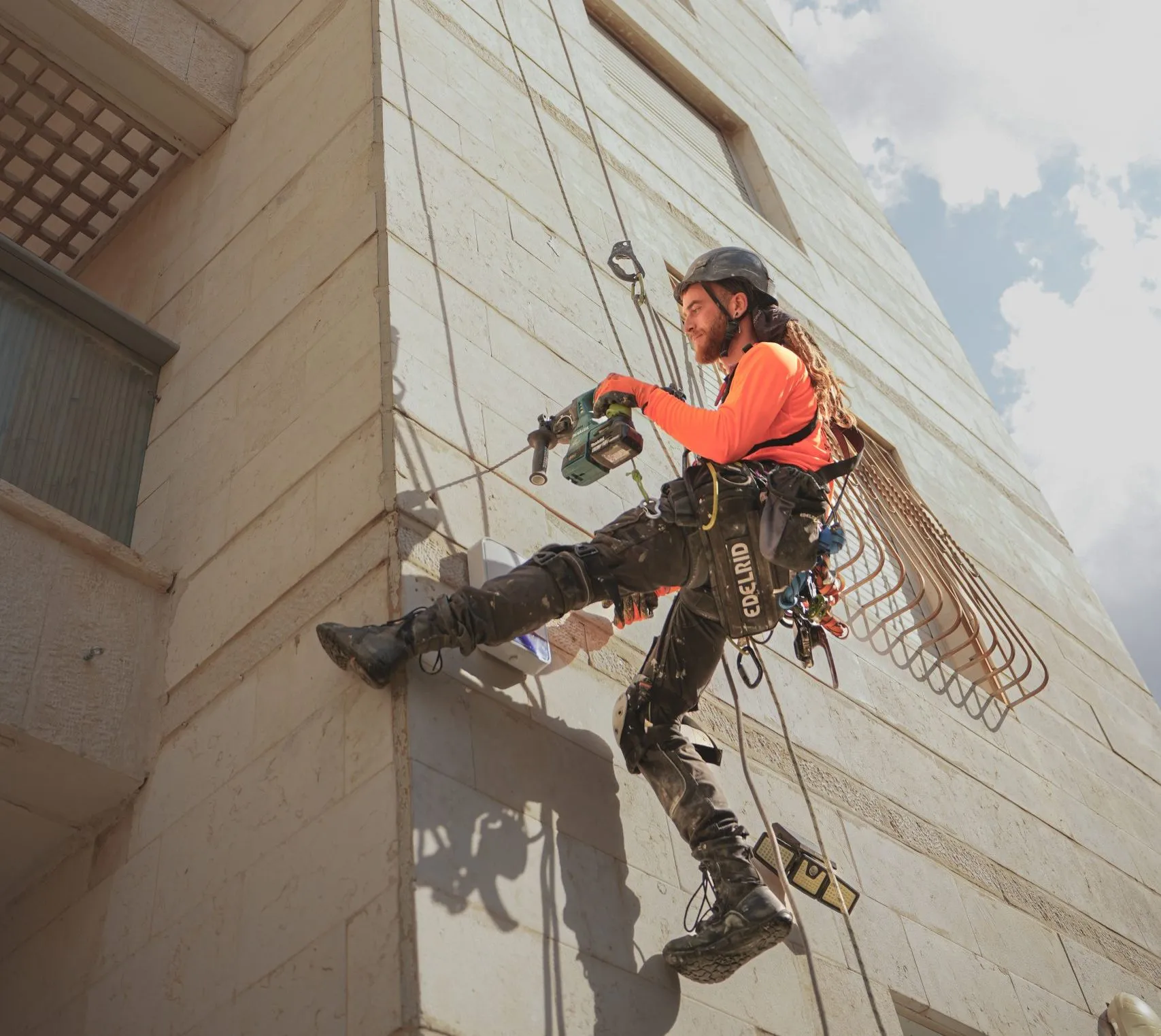
Read the article Annual Building Maintenance
A professional checklist for building committees: what to check every year on the envelope of a tall building, how to plan the budget and when to call a rope access company. A guide from Top Gova.
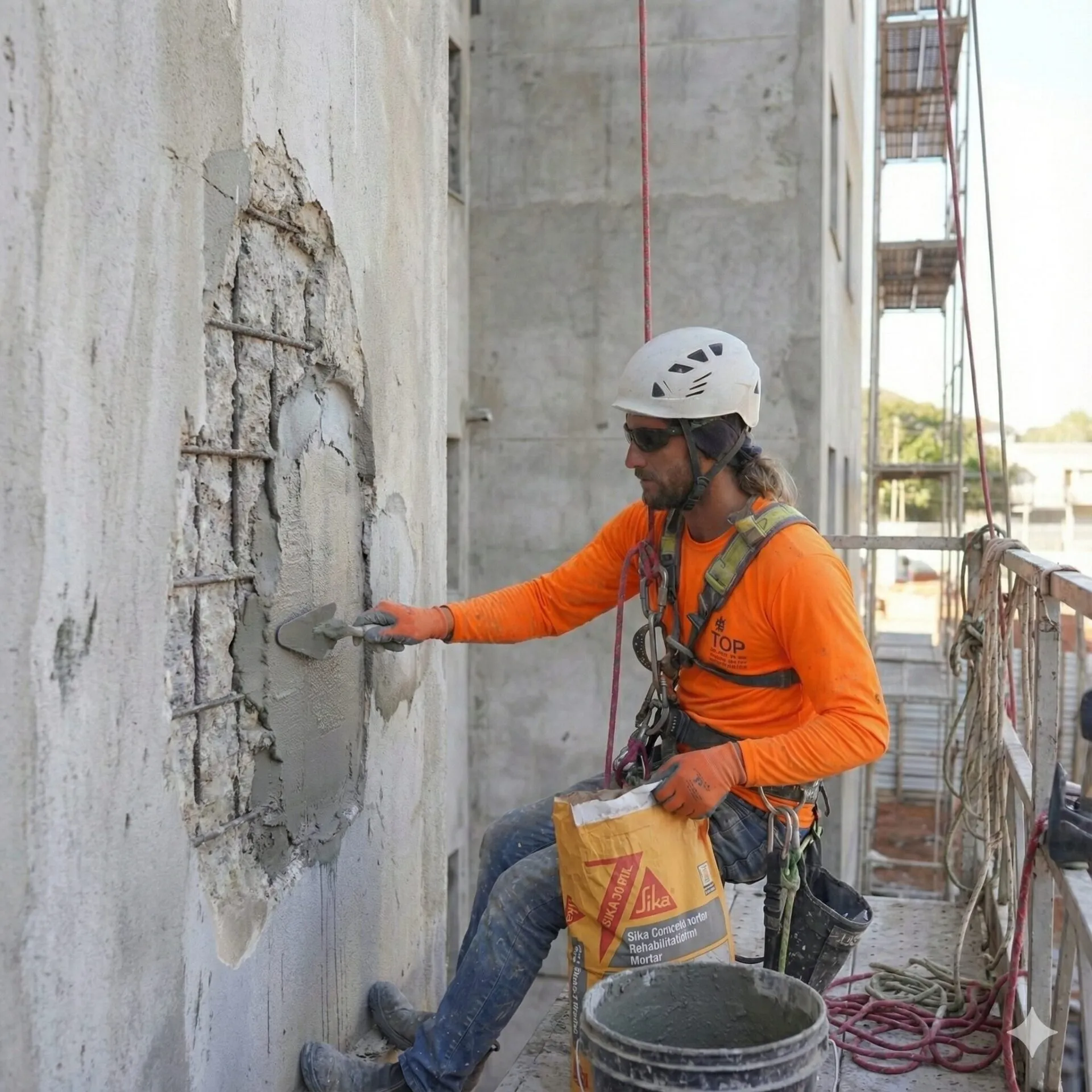
Read the article Parapet Wall Waterproofing
The parapet wall is the number one cause of damp on the top floor. Learn how to waterproof it properly with rope access and prevent damage to penthouse apartments.
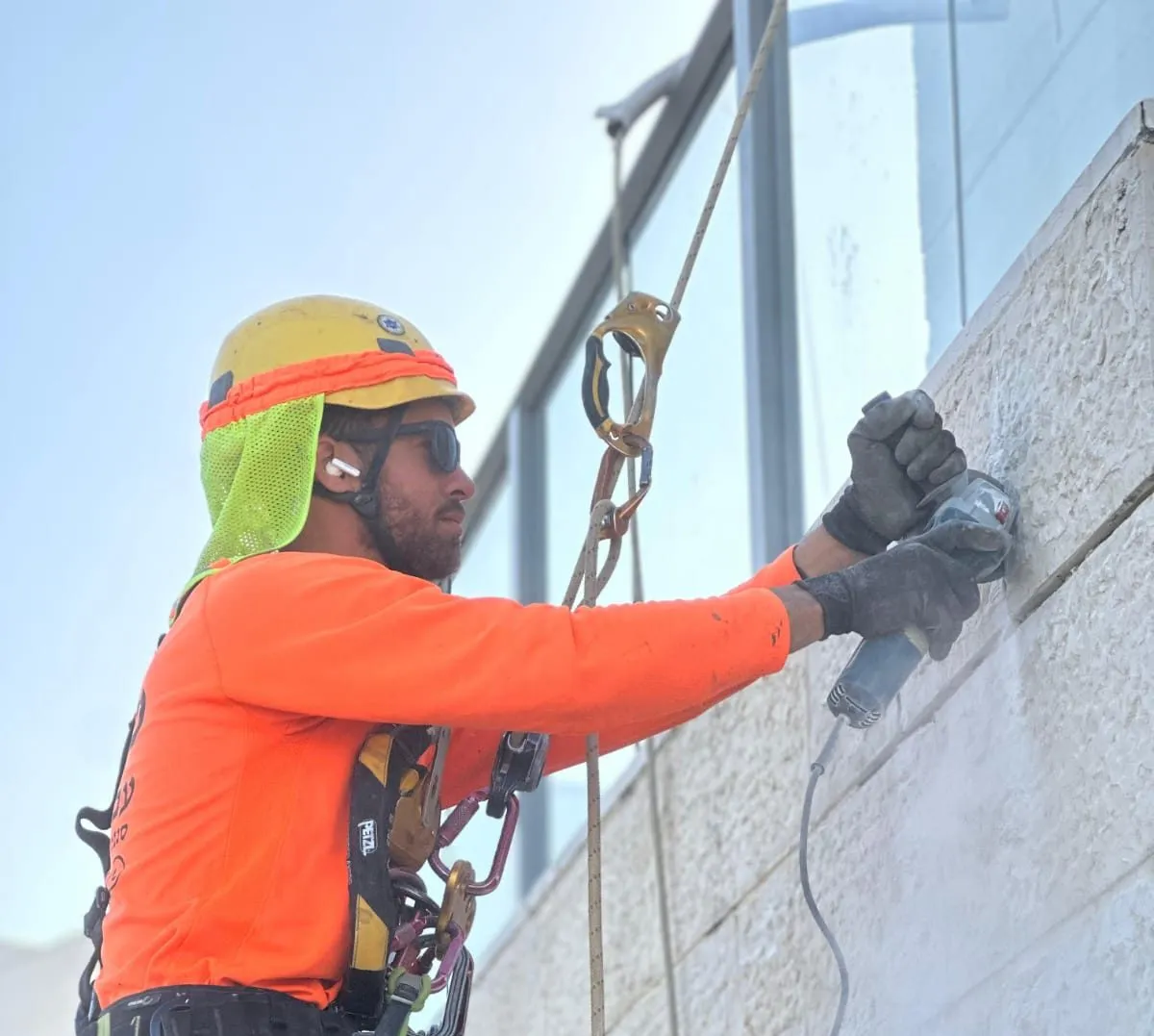
Read the article Efflorescence on Walls
Efflorescence on facades and exterior walls: the cause, how it differs from damp, and professional treatment at height. Get advice from Top Gova.