Facade Restoration Cost: A Breakdown of the Price Components
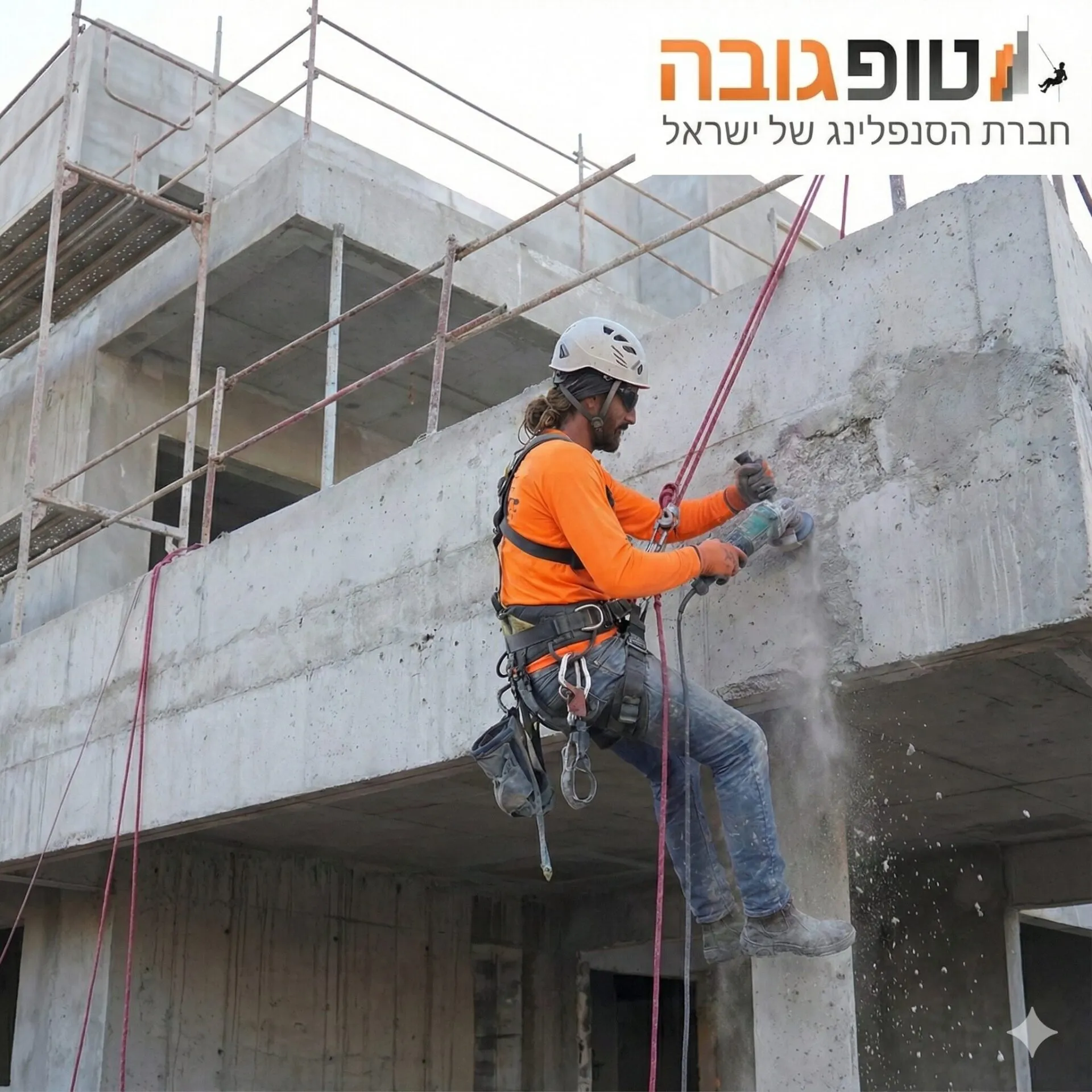
What makes up the cost of restoring a building facade?
When a building committee or a management company starts planning a facade restoration project, the first question that comes up is how much it will cost. The answer is that it depends, and we will detail exactly on what. The cost of restoring a building facade is made up of several components, and each of them can vary significantly depending on the condition of the structure, its height and the type of work required.
One of the common mistakes is accepting a lump-sum price quote without understanding what it includes. A quote that looks cheap may leave out essential items, and the surprises will come during the project. That is why understanding the cost components is the most important tool you have.
A breakdown of the cost components
| Cost component | Share of the budget | What affects the price |
|---|---|---|
| Survey and planning | 5-8% | Size of the structure, complexity, number of facades |
| Concrete restoration work | 20-35% | Extent of the damage, depth of carbonation, access |
| Waterproofing and insulation | 15-25% | Facade area, type of waterproofing materials |
| Cladding and repairs | 20-30% | Type of stone, installation method, replacement rate |
| Access (rope access/scaffolding) | 10-20% | Height, site conditions, work method |
| Supervision and management | 5-10% | Project duration, management complexity |
Rope access versus scaffolding: how does it affect the cost?
One of the most significant decisions in terms of cost is the access method. Rope access versus scaffolding: each method suits different situations, and the effect on the budget can be significant.
Scaffolding requires a long time to erect and dismantle, takes up space on the street, and costs more on tall buildings. Rope access, by contrast, allows a quick start, great flexibility, and usually a lower cost on buildings above 5-6 floors. On lower buildings, scaffolding is sometimes preferable because it allows continuous work over a large area.
Factors that affect the price
Besides the work components themselves, other factors affect the cost of restoring a building facade. The building’s location matters: work in dense areas with difficult parking and access costs more. The season plays a part: in the winter months, when rain limits the working days, the project takes longer and costs more. Market conditions matter too: in periods of high demand for construction work, prices rise.
Another important factor is the condition of the structure. A building that has had preventive maintenance over the years will need less aggressive and less expensive restoration than a building that has been completely neglected.
How to compare price quotes properly
When you receive quotes from several contractors, it is important to compare apples with apples. Ask for each quote to be broken down by item, including quantities and unit prices. Make sure all the quotes refer to the same scope of work, and that there are no “hidden” items that will only surface later.
Ask each contractor specifically about the warranty after the work is completed, about the expected schedule, and about what happens if further problems are discovered during the work. A professional contractor will give clear answers and be transparent about the costs.
Smart saving: don’t compromise on what matters
There are areas where you can save, and areas where saving will cost you dearly. You can save by choosing simpler finishing materials or by coordinating schedules convenient for the contractor. You must not save on the quality of the waterproofing, on concrete restoration, on worker safety or on professional supervision. More information on building restoration budgets can be found on the Kol Zchut website.
At Top Gova we are committed to full transparency in pricing. Our price quotes are broken down by item, and our project management team accompanies the client all the way to prevent surprises.
Thank you! We received your request and will get back to you soon.
More articles you may find interesting
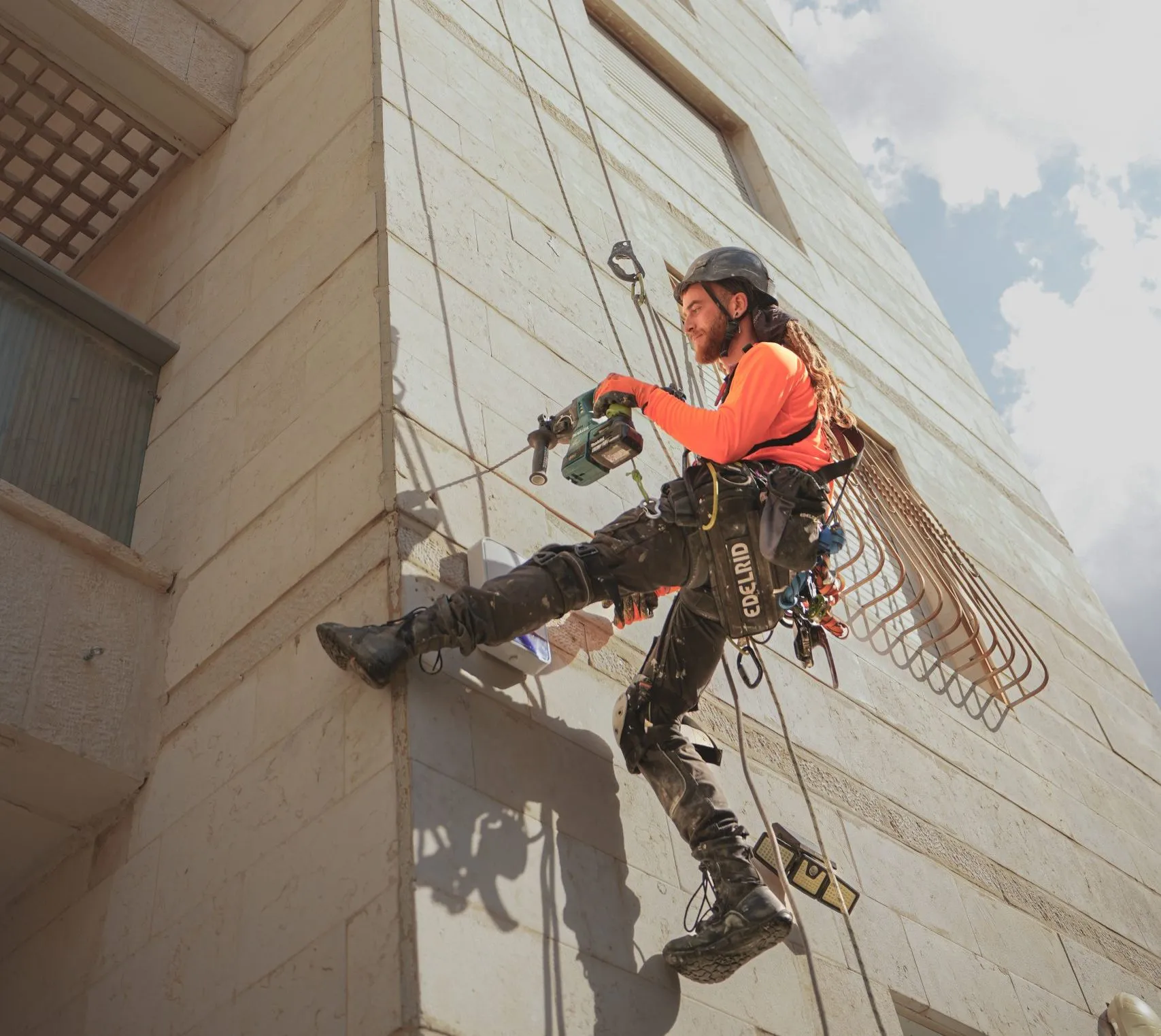
Read the article Annual Building Maintenance
A professional checklist for building committees: what to check every year on the envelope of a tall building, how to plan the budget and when to call a rope access company. A guide from Top Gova.
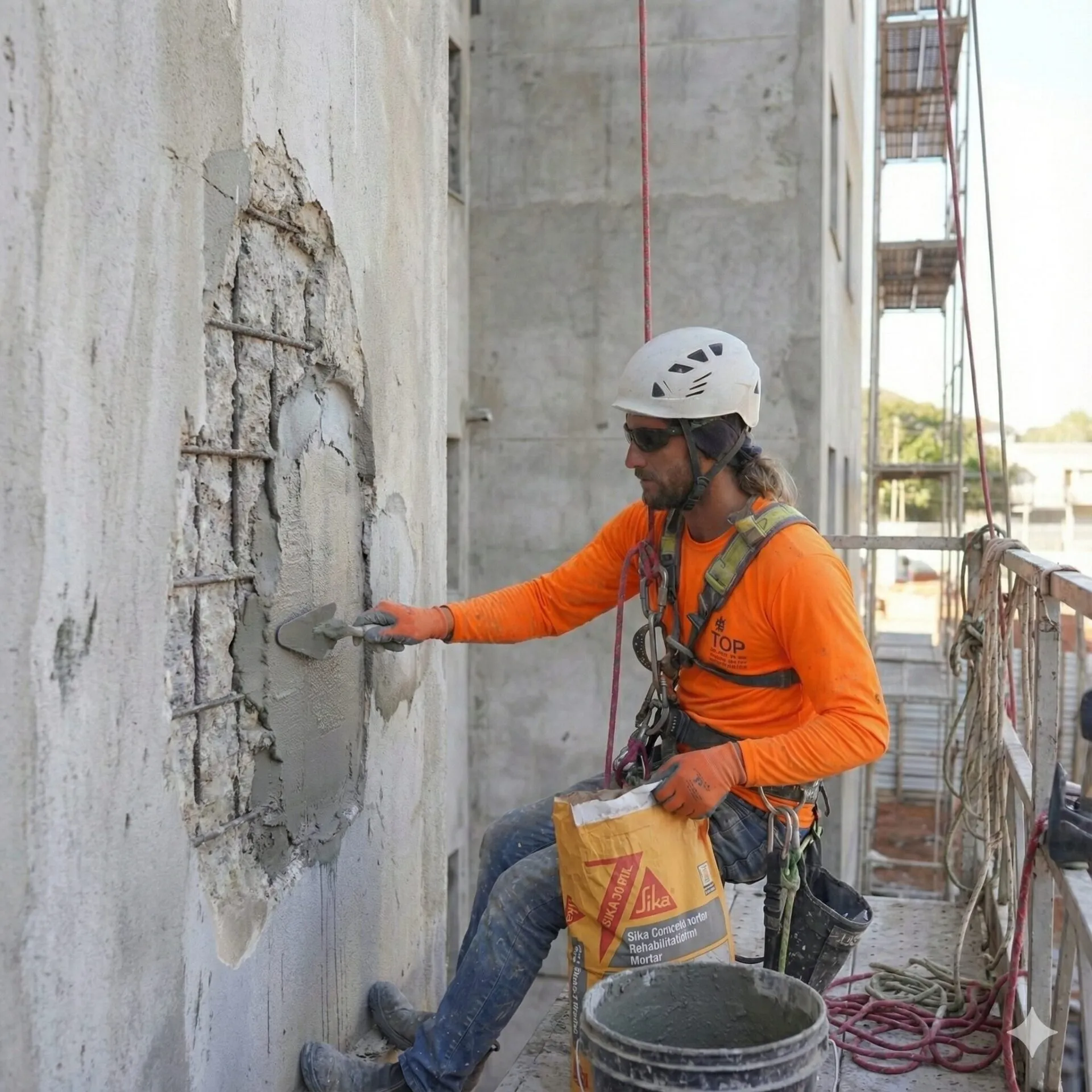
Read the article Parapet Wall Waterproofing
The parapet wall is the number one cause of damp on the top floor. Learn how to waterproof it properly with rope access and prevent damage to penthouse apartments.
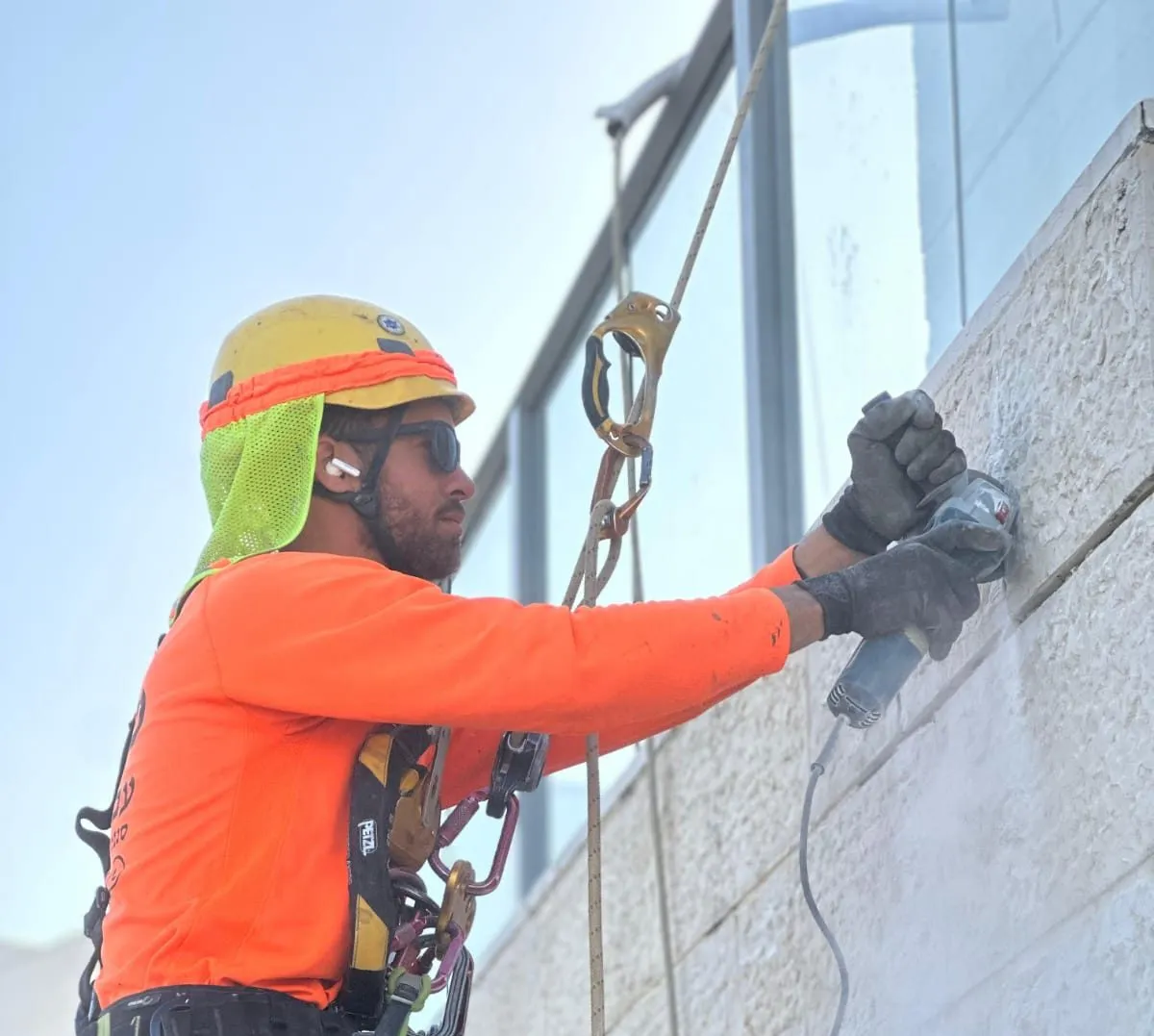
Read the article Efflorescence on Walls
Efflorescence on facades and exterior walls: the cause, how it differs from damp, and professional treatment at height. Get advice from Top Gova.