Planning Work at Height in an Occupied Building: How to Minimize Disruption to Residents
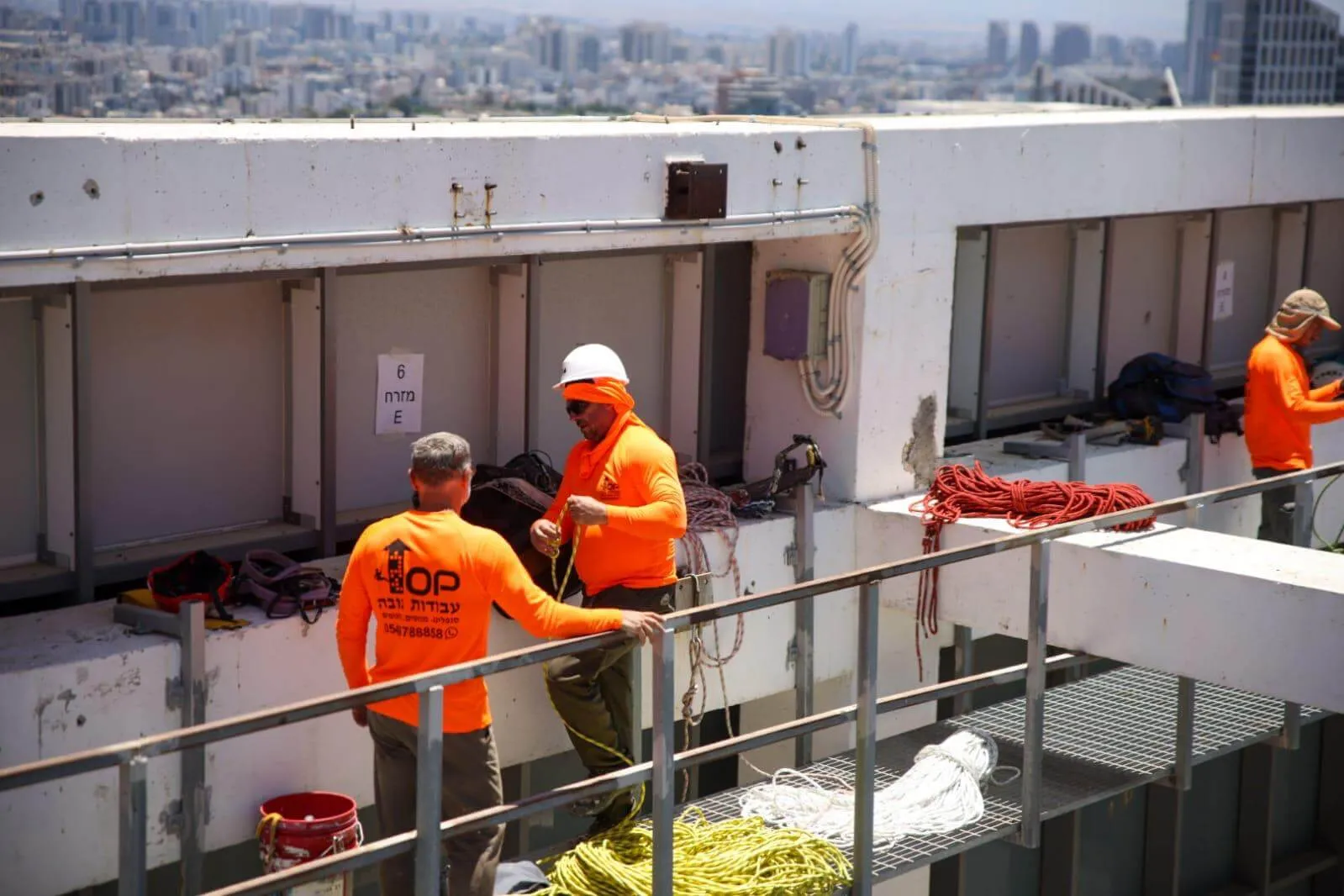
The challenge: working at height when the building is full of residents
A facade restoration project in an occupied building is a logistical and human challenge that requires meticulous planning. Unlike work on an empty construction site, here there are residents living in their apartments, children going out to the yard, elderly people sensitive to noise, and cars parked in the parking lot. Every action has to be carried out with full consideration for the people who live in the building.
Years of experience have taught us at Top Gova that success in such projects depends not only on technical skill but also on the ability to communicate with the residents, understand their needs, and plan the work so that the disruption is minimal.
Early planning: the key to success
Planning starts long before the first rope access team arrives on site. The order of work has to be planned so that each facade is treated separately, taking into account wind directions, hours of sun, and access. In buildings with several entrances, it is better to work on one entrance at a time and leave the others free.
An important part of the planning is coordination with the building committee and the residents. Agreed working hours must be set, days with especially noisy work coordinated in advance, and residents notified when windows need to be closed or cars moved.
| Stage | Actions to minimize disruption | Communication with residents |
|---|---|---|
| Before the work starts | Site survey, schedule planning | A letter to residents, an information meeting |
| Preparation stage | Marking danger zones, putting up fencing | Clear signage, notice of parking changes |
| During the work | Daily cleaning, limiting noisy hours | A weekly update, a representative available for requests |
| At completion | Removing equipment, final cleaning, repairing damage | A completion walkthrough with the building committee |
Rope access: the great advantage in an occupied building
One of the main reasons to choose rope access over scaffolding in an occupied building is the minimal disruption. Scaffolding takes up space in the street, blocks windows for weeks, and creates a security risk (easy access to apartments). Rope access, by contrast, needs no space in the street, does not block windows permanently, and allows great flexibility in planning the working day.
In addition, rope access work is faster in terms of setup and dismantling: there is no need for long days of erecting and dismantling scaffolding. The team arrives in the morning, prepares the equipment, goes up to the roof and starts working. At the end of the day, all the equipment is packed away and nothing is left in the street.
Residents’ safety: the top priority
The safety of the residents must be the top priority, not only that of the workers. Danger zones are clearly marked, catch nets are installed below the work areas to prevent parts falling, and hazardous materials such as waterproofing materials are stored safely and kept away from contact with residents.
When work has to be done near apartment windows, residents are notified in advance and asked to close their windows during working hours. If the work produces dust (such as concrete restoration), dust curtains and extraction systems are used to reduce its spread.
Managing expectations and communication
One of the most important elements of a project in an occupied building is communication. Residents who receive ongoing information about what is happening, understand the schedule and know whom to contact with problems will cooperate far more than residents who feel “surprised” anew every morning.
At Top Gova, the project manager holds a kickoff meeting with the building committee and sends weekly updates on the progress of the work. He is also available by phone for any urgent request from residents. Information on managing renovations in buildings can be found on the website of the Supervisor of the Sale Law.
In summary
Work at height in an occupied building requires more than rope access skills. It requires sensitivity, comprehensive planning and good communication. When it is done right, the project runs quietly, the residents are satisfied, and the result speaks for itself.
At Top Gova we have carried out hundreds of projects in occupied buildings across the country. This experience allows us to anticipate problems before they happen, and to manage the project in a way that respects the residents and delivers excellent results.
Thank you! We received your request and will get back to you soon.
More articles you may find interesting
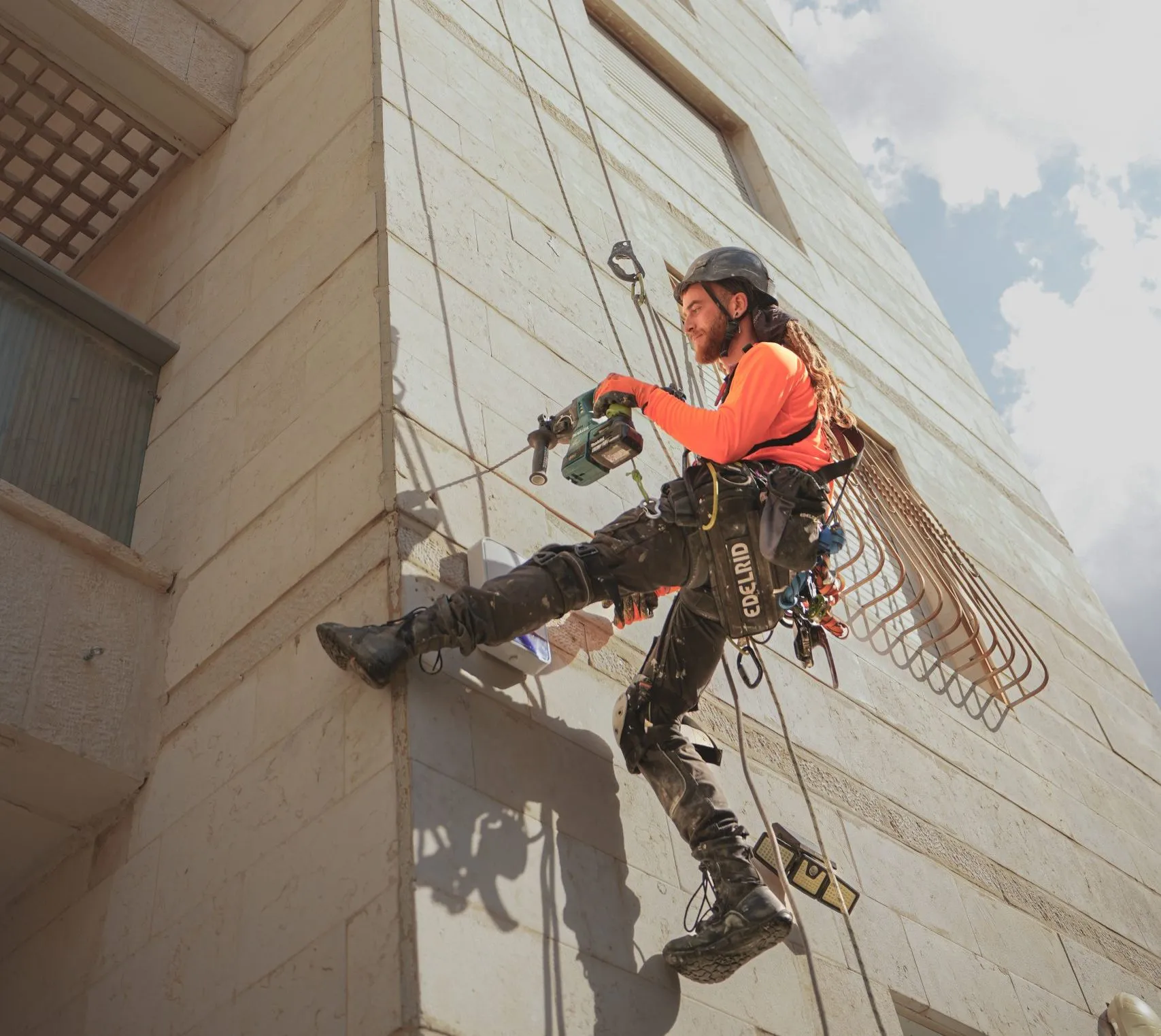
Read the article Annual Building Maintenance
A professional checklist for building committees: what to check every year on the envelope of a tall building, how to plan the budget and when to call a rope access company. A guide from Top Gova.
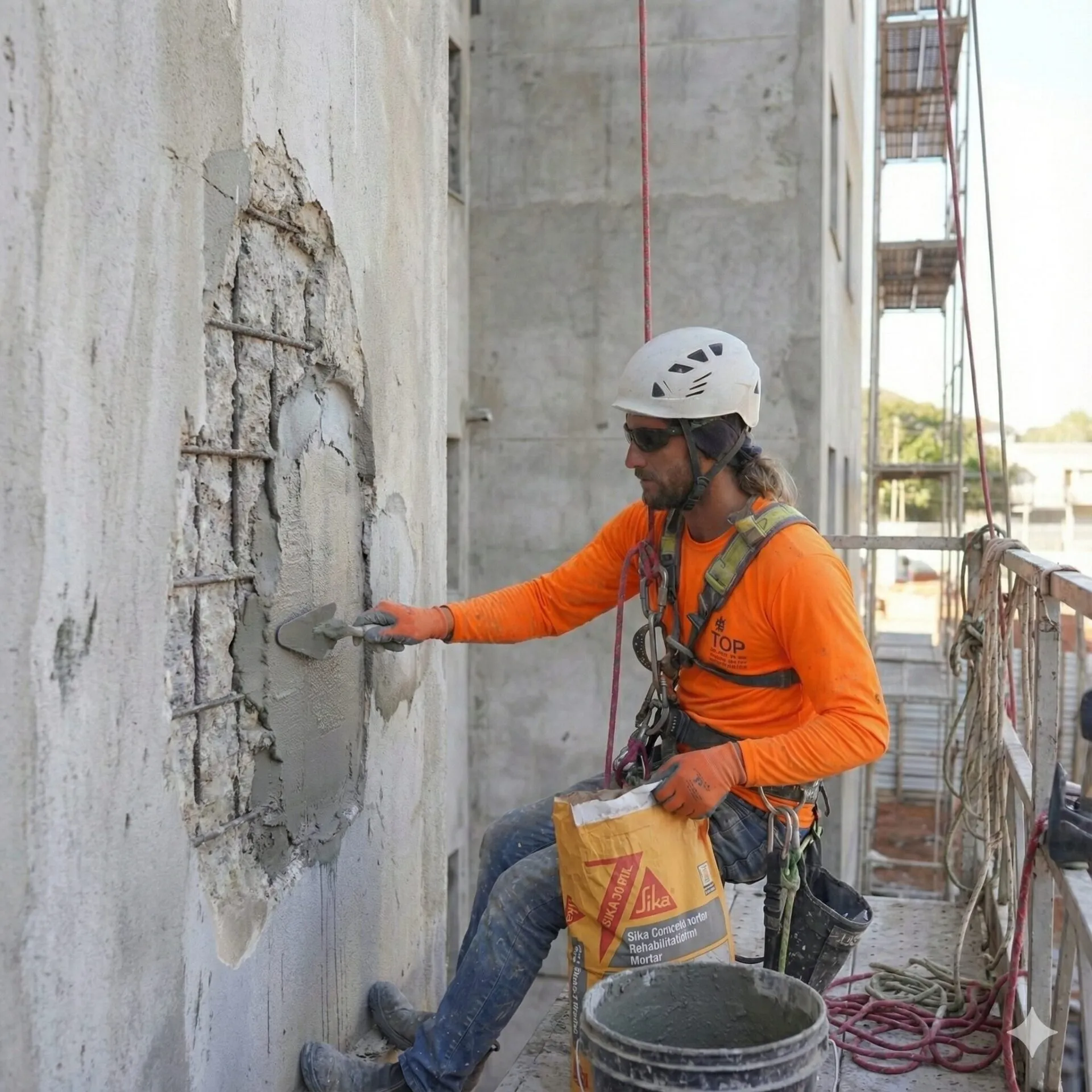
Read the article Parapet Wall Waterproofing
The parapet wall is the number one cause of damp on the top floor. Learn how to waterproof it properly with rope access and prevent damage to penthouse apartments.
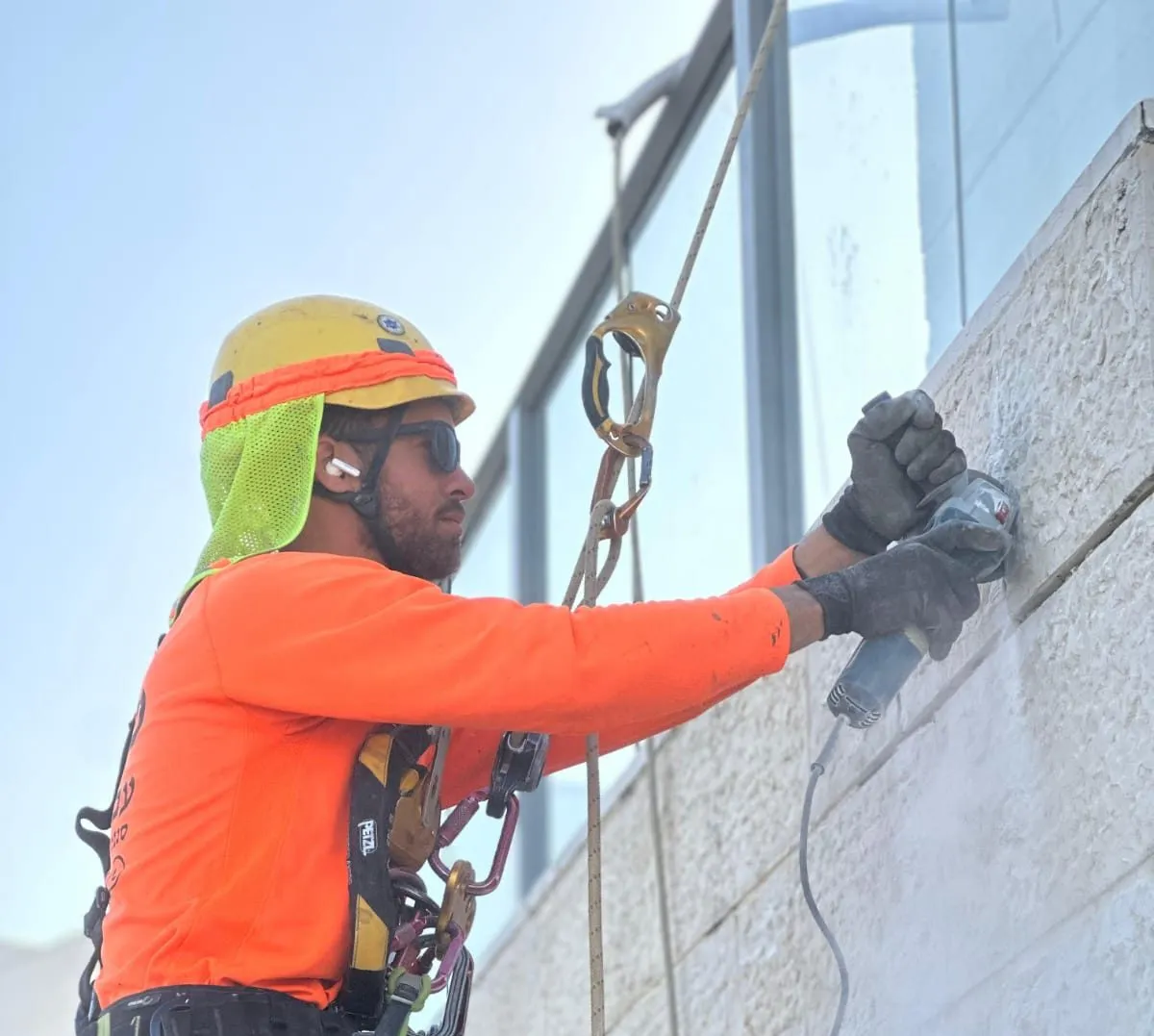
Read the article Efflorescence on Walls
Efflorescence on facades and exterior walls: the cause, how it differs from damp, and professional treatment at height. Get advice from Top Gova.