Replacing Stone Cladding on a Building: When It Is Necessary and How It Is Done
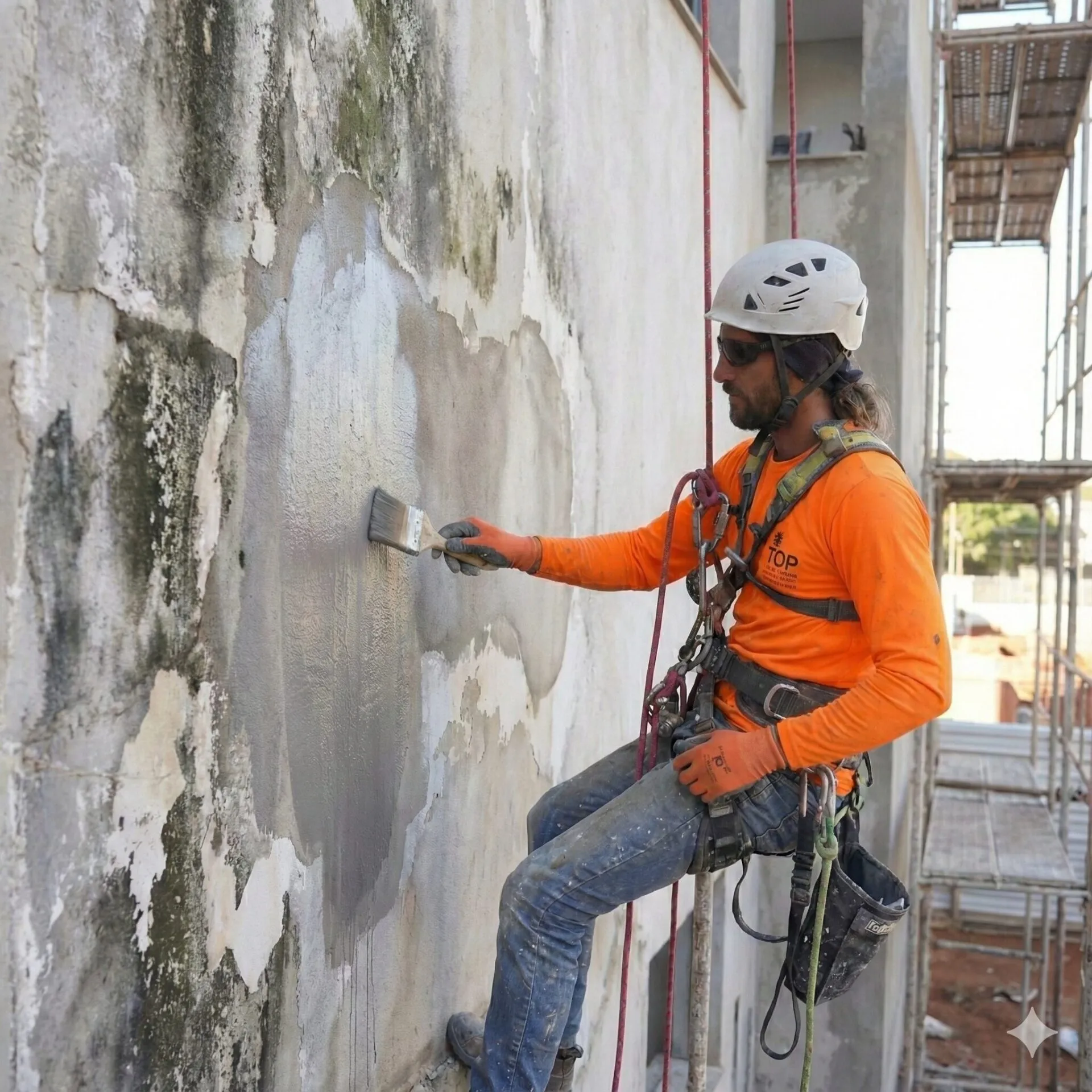
When is it time to replace stone cladding?
Stone cladding is one of the most prominent elements of a building’s facade. It gives the building its look, protects the structure from water penetration and weather conditions, and contributes to thermal insulation. But stone, like any building material, does not last forever. Over the years, exposure to sun, rain, temperature changes and mechanical stress causes the cladding to deteriorate, and there comes a moment when strengthening cladding stones is no longer enough and you need to move to full replacement.
So how do you know the time has come? There are several signs you should not ignore: stones that come away from the wall and fall, horizontal cracks that cross several stones, widespread discoloration that indicates deep water penetration, or a situation in which an adhesion test shows that a high percentage of the cladding is no longer properly attached.
What is the difference between strengthening and replacement?
This is a critical question that affects the budget and the result. Strengthening stones is suitable when the problem is local: a few stones that have loosened, isolated cracks, or partial detachment. In such cases, methods such as adhesive injection, mechanical anchoring or crack filling can be used.
Replacement, on the other hand, is needed when the problem is systemic. If the inspection shows that more than 30-40% of the cladding is not holding properly, it is usually better and more cost-effective to dismantle everything and install new cladding. Also when the type of stone is no longer durable, or the method by which it was originally bonded is faulty, replacement is the right solution.
| Criterion | Strengthening | Full replacement |
|---|---|---|
| Percentage of damaged stones | Up to 30% | Over 30-40% |
| Type of problem | Local, partial detachment | Systemic, failed bonding method |
| Relative cost | Lower in the short term | Higher, but cost-effective in the long term |
| Service life | 5-15 years | 25-40 years |
| Aesthetic improvement | Limited | Full: the building looks new |
Common types of cladding stone in Israel
To understand the replacement process, it is important to know the common types of stone. In Israel, the most common cladding is Jerusalem stone in its various shades, used mainly in Jerusalem and the surrounding area. In other cities, granite, marble, travertine and porcelain are commonly used. Each type of stone has different properties in terms of durability, water absorption, weight and installation method.
In recent years, advanced claddings have also entered the market, such as fiber cement boards, composite panels (ACM) and thin ceramic claddings. These offer lower weight, faster installation, and sometimes also better durability.
The stone cladding replacement process
The process begins with careful dismantling of the existing cladding. This stage requires a high level of skill, especially in tall buildings where the dismantling is carried out by means of professional rope access. The cladding must be dismantled without damaging the layers beneath it, the debris removed safely, and the surface prepared to receive the new cladding.
After dismantling, the condition of the structure and the base layer is checked. If there is crumbling concrete damage, it is treated before installation. Then a new waterproofing layer is applied, and only then is the new cladding installed.
The installation method of the new cladding is critical. Today, mechanical anchoring methods (screws and profiles) are preferred over direct bonding, because mechanical anchoring ensures a better grip over time and allows thermal movement of the stones.
How much time and cost
A stone cladding replacement project on an average residential building can take between two months and half a year, depending on the size of the building and the complexity of the work. The cost depends on the type of stone chosen, the installation method, the height of the building and the access conditions.
It is important to remember that replacing cladding is an opportunity to also upgrade the waterproofing and the thermal insulation, two things that save money on energy bills and prevent future problems.
In summary
Replacing stone cladding is a significant project that requires professional planning, an experienced team and quality materials. It is not always the first decision to make, but when it is needed, it is better to do it right and not put it off. More information on building materials and standards can be found on the website of the Ministry of Environmental Protection.
At Top Gova we have carried out dozens of cladding replacement projects on buildings across the country, including complex projects on particularly tall buildings. Our teams specialize in rope access work, which allows access to any point on the facade without the need for expensive scaffolding.
Thank you! We received your request and will get back to you soon.
More articles you may find interesting
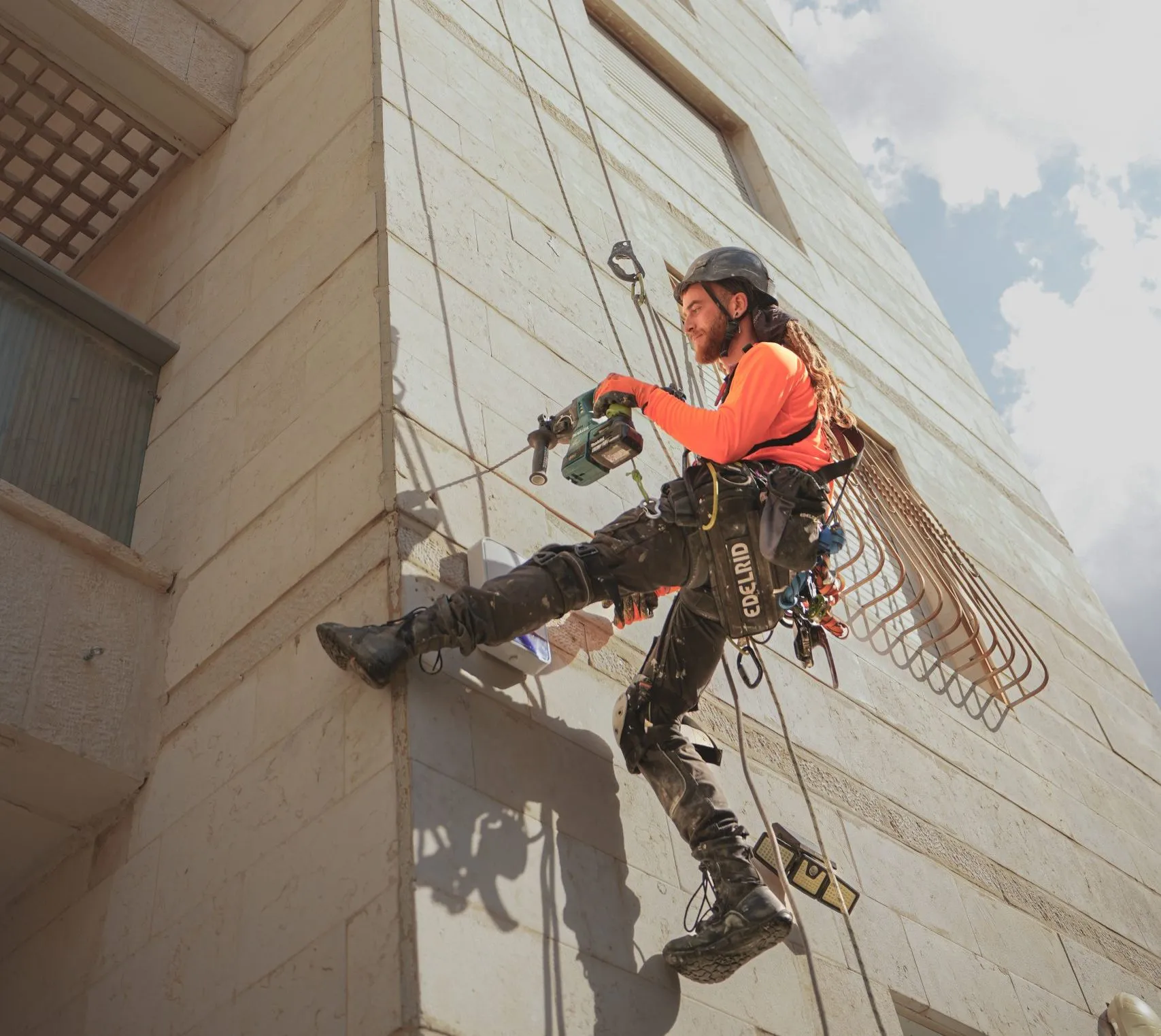
Read the article Annual Building Maintenance
A professional checklist for building committees: what to check every year on the envelope of a tall building, how to plan the budget and when to call a rope access company. A guide from Top Gova.
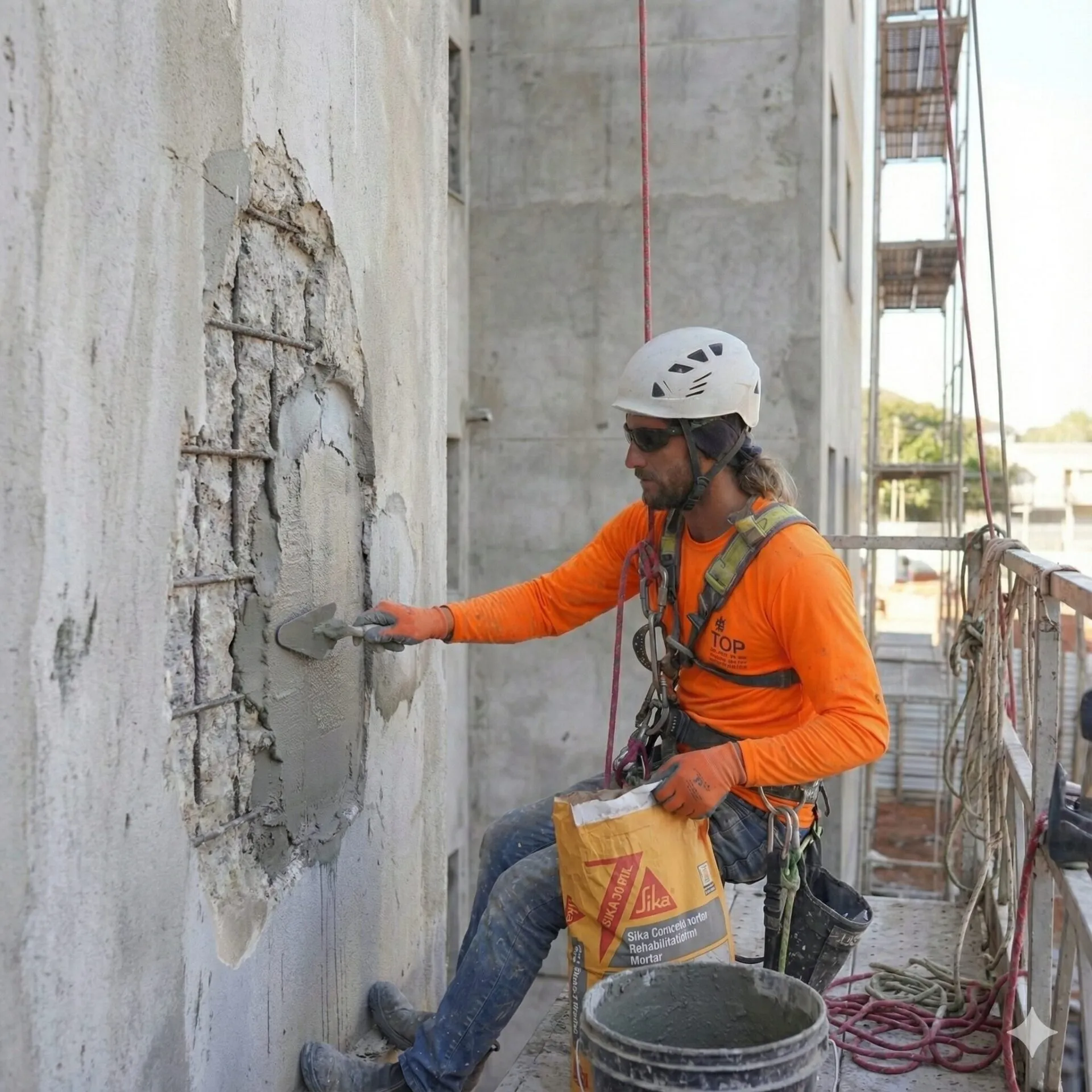
Read the article Parapet Wall Waterproofing
The parapet wall is the number one cause of damp on the top floor. Learn how to waterproof it properly with rope access and prevent damage to penthouse apartments.
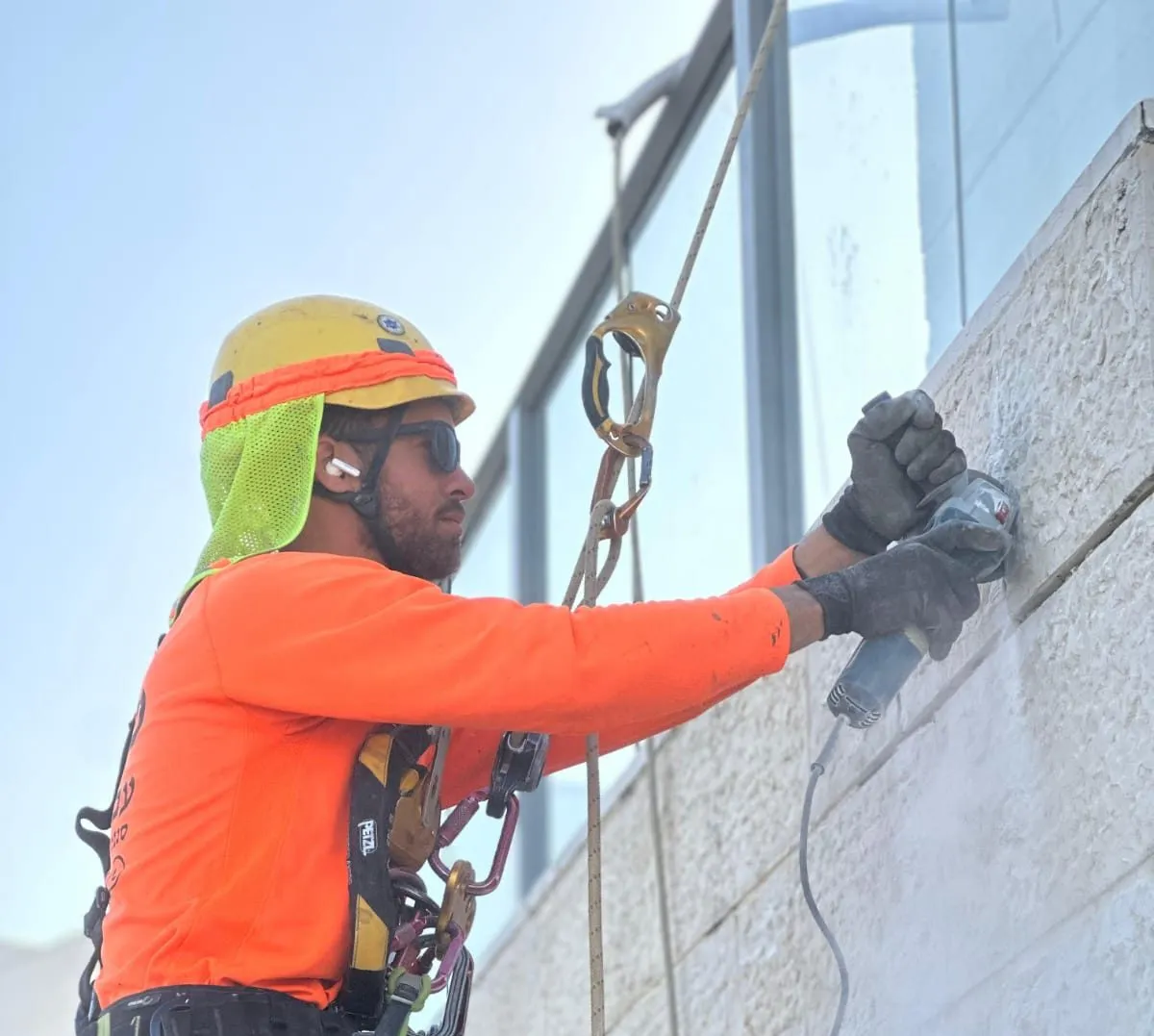
Read the article Efflorescence on Walls
Efflorescence on facades and exterior walls: the cause, how it differs from damp, and professional treatment at height. Get advice from Top Gova.